News
Civil Aviation
Pilot Training
Flight School Analysis
Aviation Jobs
Training
Services
About Us
Contact Us

Beijing Tower Crash Probe: Pilot Deliberately Crashed Aircraft Over Personal Reasons

Picture of Aviation Today News Desk

Aviation Today News Desk

Beijing, China: Chinese authorities have concluded that the pilot who deliberately flew a light aircraft into Beijing's tallest skyscraper last week had long struggled with mental health issues and had repeatedly written about "ending his life" in a personal diary, according to findings released on Thursday. The investigation determined that the June 26 crash, which killed the pilot and injured 13 people on the ground, was caused by "personal reasons," ending days of speculation over the rare aviation incident that shook China's tightly controlled capital. The pilot, identified only by his surname Liu, was a 66-year-old Beijing resident. According to a statement issued by Beijing's Chaoyang district government, Liu suffered from chronic insomnia and anxiety, had no fixed employment, was divorced, lived alone, and had made multiple references to ending his life in his diary. Authorities said these findings formed the basis for concluding that the crash stemmed from personal circumstances. Officials said Liu initially conducted a flight with another individual aboard the two-seat training aircraft before taking off alone from a general aviation airport on the outskirts of Beijing. During the solo flight, the aircraft deviated from its approved flight path, after which air traffic controllers lost contact with the pilot. The aircraft subsequently struck the 108-storey CITIC Tower, also known as China Zun, at approximately 5:55 p.m. local time on June 26. The aircraft crashed into the tower's glass façade in Beijing's Central Business District, creating a large hole in the exterior and sending debris onto surrounding streets. Liu, who was the only occupant of the aircraft, died at the scene. Authorities confirmed that 13 people on the ground were injured, although none sustained life-threatening injuries. Officials added that one injured person has already been discharged from hospital. The crash caused limited structural damage to the skyscraper, including shattered glass panels, while emergency services quickly secured the area and launched rescue operations. The crash prompted widespread discussion because such incidents are extremely uncommon in Beijing, where China maintains some of the world's strictest airspace controls. The 528-metre (1,732-foot) CITIC Tower is located roughly 7 kilometres (4.3 miles) east of Zhongnanhai, the heavily protected government compound housing China's top leadership. The aircraft's entry into a restricted urban airspace triggered questions over aviation oversight and security procedures in the capital. Chinese authorities sought to dispel speculation by publicly releasing details of the investigation. Reports also indicated that online discussions and images related to the crash were subject to censorship on Chinese social media platforms. Investigators concluded that the incident resulted from the pilot's personal circumstances rather than mechanical failure or any broader security threat. Authorities stated that Liu had obtained his pilot licence in recent years and that evidence recovered during the investigation including diary entries documenting suicidal thoughts supported their conclusion that the crash was intentional. No indication has been provided that any passengers or additional aircraft were involved.

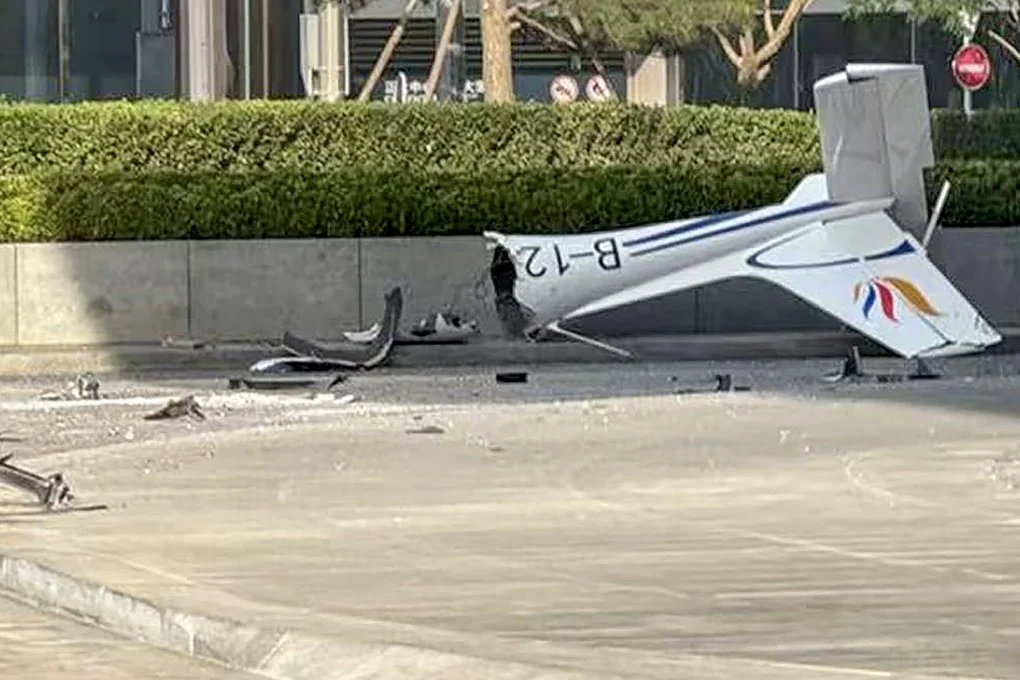
Image: South China Morning Post

Beijing, China: Chinese authorities have concluded that the pilot who deliberately flew a light aircraft into Beijing’s tallest skyscraper last week had long struggled with mental health issues and had repeatedly written about “ending his life” in a personal diary, according to findings released on Thursday.

The investigation determined that the June 26 crash, which killed the pilot and injured 13 people on the ground, was caused by “personal reasons,” ending days of speculation over the rare aviation incident that shook China’s tightly controlled capital.

The pilot, identified only by his surname Liu, was a 66-year-old Beijing resident. According to a statement issued by Beijing’s Chaoyang district government, Liu suffered from chronic insomnia and anxiety, had no fixed employment, was divorced, lived alone, and had made multiple references to ending his life in his diary. Authorities said these findings formed the basis for concluding that the crash stemmed from personal circumstances.

Officials said Liu initially conducted a flight with another individual aboard the two-seat training aircraft before taking off alone from a general aviation airport on the outskirts of Beijing.

During the solo flight, the aircraft deviated from its approved flight path, after which air traffic controllers lost contact with the pilot. The aircraft subsequently struck the 108-storey CITIC Tower, also known as China Zun, at approximately 5:55 p.m. local time on June 26.

The aircraft crashed into the tower’s glass façade in Beijing’s Central Business District, creating a large hole in the exterior and sending debris onto surrounding streets.

Liu, who was the only occupant of the aircraft, died at the scene. Authorities confirmed that 13 people on the ground were injured, although none sustained life-threatening injuries. Officials added that one injured person has already been discharged from hospital.

The crash caused limited structural damage to the skyscraper, including shattered glass panels, while emergency services quickly secured the area and launched rescue operations.

The crash prompted widespread discussion because such incidents are extremely uncommon in Beijing, where China maintains some of the world’s strictest airspace controls.

The 528-metre (1,732-foot) CITIC Tower is located roughly 7 kilometres (4.3 miles) east of Zhongnanhai, the heavily protected government compound housing China’s top leadership. The aircraft’s entry into a restricted urban airspace triggered questions over aviation oversight and security procedures in the capital.

Chinese authorities sought to dispel speculation by publicly releasing details of the investigation. Reports also indicated that online discussions and images related to the crash were subject to censorship on Chinese social media platforms.

Investigators concluded that the incident resulted from the pilot’s personal circumstances rather than mechanical failure or any broader security threat.

Authorities stated that Liu had obtained his pilot licence in recent years and that evidence recovered during the investigation including diary entries documenting suicidal thoughts supported their conclusion that the crash was intentional. No indication has been provided that any passengers or additional aircraft were involved.

Leave a Comment

Subscribe to our Newsletter

Recent News