News
Civil Aviation
Pilot Training
Flight School Analysis
Aviation Jobs
Training
Services
About Us
Contact Us

India’s Domestic Air Traffic Hits 166.9M Passengers In 2025 Despite IndiGo Disruptions

Picture of Aviation Today News Desk

Aviation Today News Desk

Delhi, India: India’s domestic aviation sector sustained its expansion in 2025, with scheduled domestic carriers ferrying 1,669.46 lakh (166.946 million) passengers for the calendar year, marking a 3.48 per cent increase over the 1,613.31 lakh passengers recorded in 2024, according to the latest official traffic data.  The Directorate General of Civil Aviation (DGCA) monthly report shows the growth was powered by consistent passenger demand, despite significant operational challenges experienced during the final month of the year.  For the full year ending December 2025, domestic travel grew to 166.946 million passengers, compared with 161.331 million in 2024. This uptick reflects sustained recovery in both leisure and business travel markets.  However, December 2025 bucked the annual growth trend, with traffic falling 4.14 per cent month‑on‑month. Approximately 14.30 million passengers flew on domestic sectors in December a significant reduction from previous months.  Industry sources and airport operators have tied the December slump chiefly to weeks of widespread schedule disruptions at one of India’s largest carriers, which led to cancellations and repositioning of flights across several high‑density routes.  IndiGo, India’s largest domestic airline by market share, saw its proportion of the domestic market decline sharply in December 2025. DGCA data shows the carrier’s share dropped to 59.6 per cent, down from 63.6 per cent in November. This was one of the lowest monthly market share figures for the airline in recent years, reflecting the operational challenges it faced.  In contrast, several competitors capitalised on displaced traffic flows during this period. The Air India Group’s market share rose to 29.6 per cent, while Akasa Air increased to 5.2 per cent, and SpiceJet to 4.3 per cent in December 2025. The DGCA also reported that delays and service irregularities in December generated heightened consumer issues, with more than 29,000 complaints logged with airlines for that month. An estimated 8.34 lakh passengers were affected by flight delays, while carriers collectively spent more than ₹4.5 crore on passenger facilitation.  In addition, thousands of passengers were denied boarding due to operational adjustments, prompting additional compensation outlays approaching ₹2.08 crore.  Following the disruptions, IndiGo has stated that it has taken steps to bolster operational resilience. The airline increased its crew buffer to approximately 3 per cent in early February 2026, alongside raising the pilot‑to‑aircraft ratio, after operating with minimal buffers in December.  The DGCA and airline industry stakeholders have signalled that measures to ensure stability including compliance with updated rest norms for crew and enhanced scheduling strategies are central to mitigating future volatility.
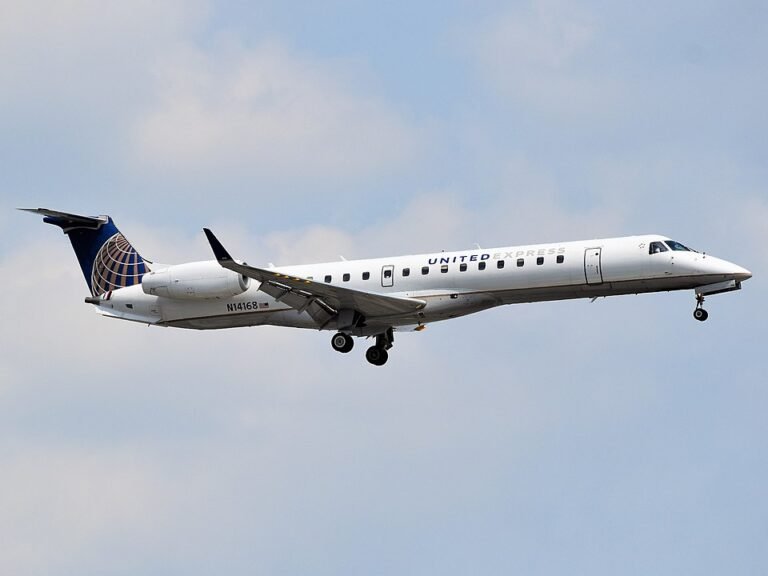
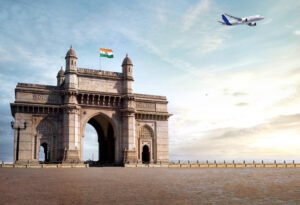
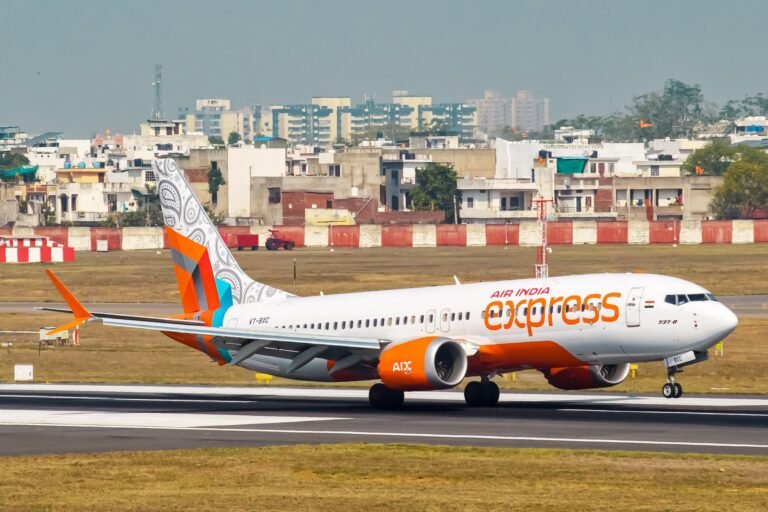
Image: Delhi Airport

Delhi, India: India’s domestic aviation sector sustained its expansion in 2025, with scheduled domestic carriers ferrying 1,669.46 lakh (166.946 million) passengers for the calendar year, marking a 3.48 per cent increase over the 1,613.31 lakh passengers recorded in 2024, according to the latest official traffic data. 

The Directorate General of Civil Aviation (DGCA) monthly report shows the growth was powered by consistent passenger demand, despite significant operational challenges experienced during the final month of the year. 

For the full year ending December 2025, domestic travel grew to 166.946 million passengers, compared with 161.331 million in 2024. This uptick reflects sustained recovery in both leisure and business travel markets. 

However, December 2025 bucked the annual growth trend, with traffic falling 4.14 per cent month‑on‑month. Approximately 14.30 million passengers flew on domestic sectors in December a significant reduction from previous months. 

Industry sources and airport operators have tied the December slump chiefly to weeks of widespread schedule disruptions at one of India’s largest carriers, which led to cancellations and repositioning of flights across several high‑density routes. 

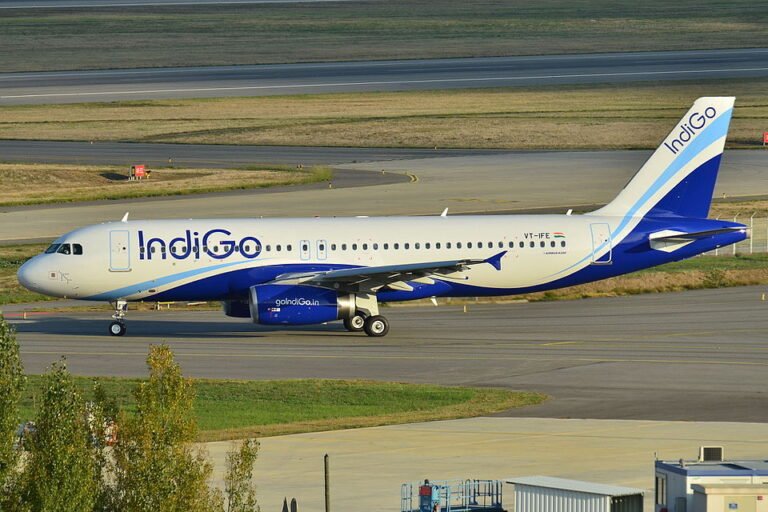
IndiGo, India’s largest domestic airline by market share, saw its proportion of the domestic market decline sharply in December 2025. DGCA data shows the carrier’s share dropped to 59.6 per cent, down from 63.6 per cent in November. This was one of the lowest monthly market share figures for the airline in recent years, reflecting the operational challenges it faced. 

In contrast, several competitors capitalised on displaced traffic flows during this period. The Air India Group’s market share rose to 29.6 per cent, while Akasa Air increased to 5.2 per cent, and SpiceJet to 4.3 per cent in December 2025. 

The DGCA also reported that delays and service irregularities in December generated heightened consumer issues, with more than 29,000 complaints logged with airlines for that month. An estimated 8.34 lakh passengers were affected by flight delays, while carriers collectively spent more than ₹4.5 crore on passenger facilitation. 

In addition, thousands of passengers were denied boarding due to operational adjustments, prompting additional compensation outlays approaching ₹2.08 crore. 

Following the disruptions, IndiGo has stated that it has taken steps to bolster operational resilience. The airline increased its crew buffer to approximately 3 per cent in early February 2026, alongside raising the pilot‑to‑aircraft ratio, after operating with minimal buffers in December. 

The DGCA and airline industry stakeholders have signalled that measures to ensure stability including compliance with updated rest norms for crew and enhanced scheduling strategies are central to mitigating future volatility.

Leave a Comment

Subscribe to our Newsletter

Recent News

error: Unauthorized copying is not permitted