News
Civil Aviation
Pilot Training
Flight School Analysis
Aviation Jobs
Training
Services
About Us
Contact Us

India Has 25,001 Active Pilots As Fleet Growth Accelerates; Employment Data Missing

Picture of Aviation Today News Desk

Aviation Today News Desk

India Has 25,001 Active Pilots As Fleet Growth Accelerates; Employment Data Missing SEO DES: Earlier data showed six major airlines employ 13,989 pilots, suggesting many licensed pilots are outside scheduled carriers or not on payrolls SOCIAL: India has 25,001 active licensed pilots, the government informed Parliament, based on data maintained by the Directorate General of Civil Aviation (DGCA) for pilots under 65 with valid licences. The total includes 10,051 airline transport pilots, 12,480 commercial pilots, and smaller numbers across helicopter and private licence categories. However, the DGCA does not track employment status, meaning the figure reflects licensed manpower rather than pilots currently flying. Earlier parliamentary data showed that six major domestic airlines employ about 13,989 pilots, indicating a significant portion of licensed pilots operate outside scheduled airlines or are not on active payrolls. As India’s aviation sector expands rapidly with large aircraft orders, pilot training output is rising, with a record 1,628 CPLs issued in 2024. Experts say the key challenge is not just increasing numbers but ensuring pilots are operationally ready, while the absence of real-time workforce data remains a policy gap. Delhi, India: India currently has 25,001 active pilots, the government told Parliament, offering the latest official snapshot of the country’s licensed aviation workforce at a time when airlines are rapidly expanding fleets and networks. In a written reply to the Lok Sabha, the Ministry of Civil Aviation said the data is based on records maintained by the Directorate General of Civil Aviation (DGCA) and includes pilots below the age of 65 who hold valid licences issued by the regulator. The figures reflect licence status only and not actual employment across airlines or other aviation operators. According to the government’s response, the total pool of 25,001 active pilots comprises: Airline Transport Pilot Licence (ATPL – Aeroplane): 10,051 ATPL (Helicopter): 210 Commercial Pilot Licence (CPL – Aeroplane): 12,480 CPL (Helicopter): 777 Private Pilot Licence (PPL – Aeroplane): 1,477 PPL (Helicopter): 6 ATPL holders typically serve as captains on commercial airline operations, while CPL holders form the backbone of first officers, charter pilots, business aviation crews, and instructors. The Ministry clarified that the DGCA does not maintain centralised data on how many of these pilots are currently employed, unemployed, or actively flying. As a result, the official count represents licensed manpower rather than the number of pilots on airline rosters. This distinction is significant in the Indian context, where many licensed pilots may be between jobs, flying in general aviation, working overseas, or not actively employed due to market conditions or training costs. In a separate parliamentary reply earlier, the government had stated that six major domestic airlines together employed about 13,989 pilots, indicating that a substantial number of licensed pilots operate outside scheduled airlines or are not on active payrolls. The disclosure comes as India remains one of the world’s fastest-growing aviation markets. Domestic airlines have placed record aircraft orders over the past two years, with hundreds of narrowbody and widebody jets scheduled for delivery through the next decade. Industry executives say the challenge is not just numbers but readiness ensuring newly licensed pilots are type-rated, line-trained, and operationally prepared for complex airline environments. On the supply side, pilot training output is rising. The DGCA issued a record 1,628 Commercial Pilot Licences in 2024, the highest annual figure so far, as new flight training organisations entered the market and existing academies expanded capacity. From a regulatory standpoint, the lack of real-time employment data remains a gap. While the DGCA tracks licences, medical validity, and renewals, it does not currently maintain a national employment registry for pilots. This makes it difficult for policymakers to precisely assess shortages, unemployment, or skill mismatches across the aviation sector. As India positions itself as a global aviation hub, experts say integrating licensing data with workforce planning will become increasingly important especially as airlines, training academies, and regulators attempt to balance safety, growth, and manpower sustainability in one of the world’s most dynamic aviation markets.
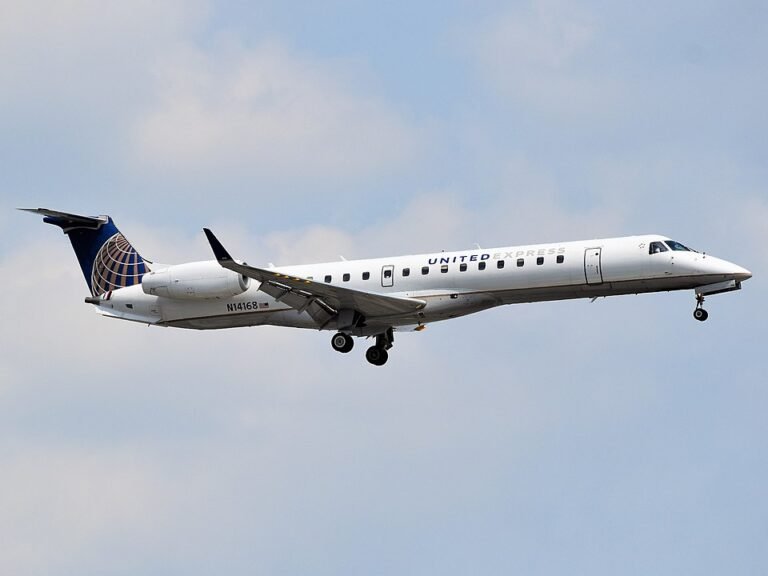
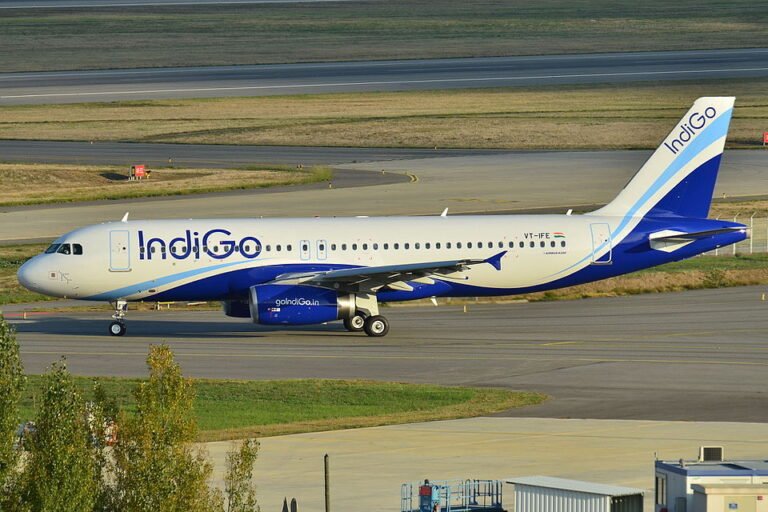
Image: IndiGo

Delhi, India: India currently has 25,001 active pilots, the government told Parliament, offering the latest official snapshot of the country’s licensed aviation workforce at a time when airlines are rapidly expanding fleets and networks.

In a written reply to the Lok Sabha, the Ministry of Civil Aviation said the data is based on records maintained by the Directorate General of Civil Aviation (DGCA) and includes pilots below the age of 65 who hold valid licences issued by the regulator. The figures reflect licence status only and not actual employment across airlines or other aviation operators.

According to the government’s response, the total pool of 25,001 active pilots comprises:

  • Airline Transport Pilot Licence (ATPL – Aeroplane): 10,051
  • ATPL (Helicopter): 210
  • Commercial Pilot Licence (CPL – Aeroplane): 12,480
  • CPL (Helicopter): 777
  • Private Pilot Licence (PPL – Aeroplane): 1,477
  • PPL (Helicopter): 6

ATPL holders typically serve as captains on commercial airline operations, while CPL holders form the backbone of first officers, charter pilots, business aviation crews, and instructors.

The Ministry clarified that the DGCA does not maintain centralised data on how many of these pilots are currently employed, unemployed, or actively flying. As a result, the official count represents licensed manpower rather than the number of pilots on airline rosters.

This distinction is significant in the Indian context, where many licensed pilots may be between jobs, flying in general aviation, working overseas, or not actively employed due to market conditions or training costs.

In a separate parliamentary reply earlier, the government had stated that six major domestic airlines together employed about 13,989 pilots, indicating that a substantial number of licensed pilots operate outside scheduled airlines or are not on active payrolls.

The disclosure comes as India remains one of the world’s fastest-growing aviation markets. Domestic airlines have placed record aircraft orders over the past two years, with hundreds of narrowbody and widebody jets scheduled for delivery through the next decade.

Industry executives say the challenge is not just numbers but readiness ensuring newly licensed pilots are type-rated, line-trained, and operationally prepared for complex airline environments.

On the supply side, pilot training output is rising. The DGCA issued a record 1,628 Commercial Pilot Licences in 2024, the highest annual figure so far, as new flight training organisations entered the market and existing academies expanded capacity.

From a regulatory standpoint, the lack of real-time employment data remains a gap. While the DGCA tracks licences, medical validity, and renewals, it does not currently maintain a national employment registry for pilots. This makes it difficult for policymakers to precisely assess shortages, unemployment, or skill mismatches across the aviation sector.

As India positions itself as a global aviation hub, experts say integrating licensing data with workforce planning will become increasingly important especially as airlines, training academies, and regulators attempt to balance safety, growth, and manpower sustainability in one of the world’s most dynamic aviation markets.

Leave a Comment

Subscribe to our Newsletter

Recent News

error: Unauthorized copying is not permitted