News
Civil Aviation
Pilot Training
Flight School Analysis
Aviation Jobs
Training
Services
About Us
Contact Us

41% Of India’s Newly Licensed Commercial Pilots Trained At Foreign Flight Schools

Picture of Aviation Today News Desk

Aviation Today News Desk

41% Of India's Newly Licensed Commercial Pilots Trained At Foreign Flight Schools SEO DES: India issued 1,331 Commercial Pilot Licences in the first half of 2026; The country currently has 41 DGCA-approved FTOs across 63 flying bases SOCIAL: India issued 1,331 Commercial Pilot Licences in the first half of 2026, with 540 pilots, or around 41%, having completed their training at foreign flying training organisations. The country currently has 41 DGCA-approved FTOs across 63 flying bases, supported by more than 400 training aircraft and a capacity to train around 3,500 students at a time. The figures come as India's aviation sector expands, highlighting the need to strengthen domestic pilot-training capacity and maintain a steady pipeline of qualified flight crew to meet future demand. New Delhi, India: India issued 1,331 Commercial Pilot Licences (CPLs) in the first six months of 2026, with around 41% of the newly licensed pilots having completed their training at foreign flying training organisations (FTOs), according to data presented by the government in Parliament. In a written reply to the Rajya Sabha, Minister of State for Civil Aviation Murlidhar Mohol said the Directorate General of Civil Aviation (DGCA) had issued CPLs to 791 cadets trained at Indian FTOs and 540 cadets trained at foreign FTOs as of June 30, 2026. The figures mean that more than four in every 10 pilots receiving their commercial licences during the period had undergone training overseas. The latest figures come as India's aviation sector continues to expand, with airlines growing their fleets and networks and demand for qualified flight crew expected to rise alongside the industry's growth. The number of CPLs issued in India has remained relatively strong in recent years. The DGCA issued 1,652 CPLs in 2025, compared with 1,347 in 2024, 1,622 in 2023 and 1,165 in 2022. The figures point to sustained growth in the number of pilots obtaining commercial licences, although a significant share of newly licensed pilots continues to complete their initial training outside India. According to the government, India currently has 41 DGCA-approved Flying Training Organisations operating across 63 flying bases, with a fleet of more than 400 training aircraft. Under DGCA requirements, FTOs are required to maintain an aircraft-to-instructor-to-student ratio of 1:1:10. Based on the existing infrastructure, the country's approved FTO network has the capacity to train approximately 3,500 students at any given time. Government data presented separately in Parliament also shows that the Indian pilot-training ecosystem has been expanding. A 2026 parliamentary response stated that 41 FTOs had been approved by the DGCA across 63 flying bases, although three were non-operational at the time, leaving 38 operational FTOs. The same response said the DGCA had approved three new FTOs during the financial year 2025-26 and that FTOs inducted 61 training aircraft in 2025 to expand pilot-training capacity. The government has also taken steps to strengthen the pilot-training ecosystem by simplifying the approval and oversight process for FTOs and revising training regulations with the aim of improving capacity and operational efficiency. These measures are intended to support the expansion of domestic pilot training as India's commercial aviation market continues to grow. The issue of pilot availability has gained greater attention as Indian airlines continue to add aircraft and expand operations. While the government has previously stated that there is no overall shortage of pilots or crew in the Indian aviation sector, it has acknowledged a shortage of experienced commanders for certain aircraft types, with foreign pilots being employed under the Foreign Aircrew Temporary Authorization (FATA) framework to address those requirements. The latest licensing data therefore highlights both the growing output of India's pilot-training system and the continued reliance on overseas training. With airlines expected to expand their fleets further, increasing domestic training capacity and ensuring a steady pipeline of qualified pilots will remain important to supporting the country's long-term aviation growth.
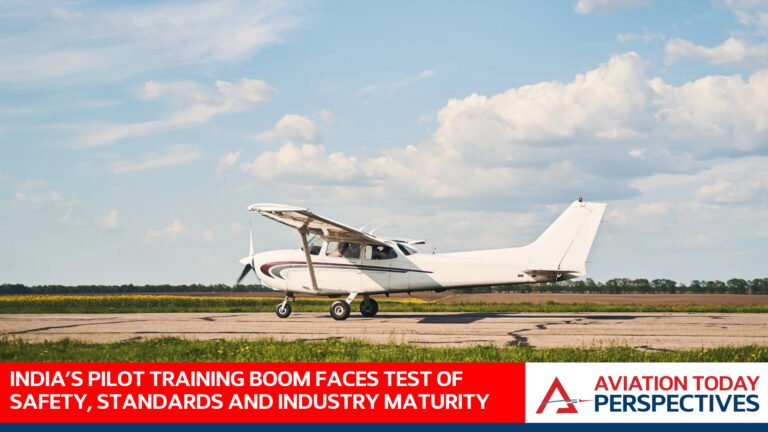
Image: Representational

New Delhi, India: India issued 1,331 Commercial Pilot Licences (CPLs) in the first six months of 2026, with around 41% of the newly licensed pilots having completed their training at foreign flying training organisations (FTOs), according to data presented by the government in Parliament.

In a written reply to the Rajya Sabha, Minister of State for Civil Aviation Murlidhar Mohol said the Directorate General of Civil Aviation (DGCA) had issued CPLs to 791 cadets trained at Indian FTOs and 540 cadets trained at foreign FTOs as of June 30, 2026. The figures mean that more than four in every 10 pilots receiving their commercial licences during the period had undergone training overseas.

The latest figures come as India’s aviation sector continues to expand, with airlines growing their fleets and networks and demand for qualified flight crew expected to rise alongside the industry’s growth.

The number of CPLs issued in India has remained relatively strong in recent years. The DGCA issued 1,652 CPLs in 2025, compared with 1,347 in 2024, 1,622 in 2023 and 1,165 in 2022. The figures point to sustained growth in the number of pilots obtaining commercial licences, although a significant share of newly licensed pilots continues to complete their initial training outside India.

According to the government, India currently has 41 DGCA-approved Flying Training Organisations operating across 63 flying bases, with a fleet of more than 400 training aircraft. Under DGCA requirements, FTOs are required to maintain an aircraft-to-instructor-to-student ratio of 1:1:10. Based on the existing infrastructure, the country’s approved FTO network has the capacity to train approximately 3,500 students at any given time.

Government data presented separately in Parliament also shows that the Indian pilot-training ecosystem has been expanding. A 2026 parliamentary response stated that 41 FTOs had been approved by the DGCA across 63 flying bases, although three were non-operational at the time, leaving 38 operational FTOs. The same response said the DGCA had approved three new FTOs during the financial year 2025-26 and that FTOs inducted 61 training aircraft in 2025 to expand pilot-training capacity.

The government has also taken steps to strengthen the pilot-training ecosystem by simplifying the approval and oversight process for FTOs and revising training regulations with the aim of improving capacity and operational efficiency. These measures are intended to support the expansion of domestic pilot training as India’s commercial aviation market continues to grow.

The issue of pilot availability has gained greater attention as Indian airlines continue to add aircraft and expand operations. While the government has previously stated that there is no overall shortage of pilots or crew in the Indian aviation sector, it has acknowledged a shortage of experienced commanders for certain aircraft types, with foreign pilots being employed under the Foreign Aircrew Temporary Authorization (FATA) framework to address those requirements.

The latest licensing data therefore highlights both the growing output of India’s pilot-training system and the continued reliance on overseas training. With airlines expected to expand their fleets further, increasing domestic training capacity and ensuring a steady pipeline of qualified pilots will remain important to supporting the country’s long-term aviation growth.
Leave a Comment

Subscribe to our Newsletter

Recent News

Aviation Today Perspectives