News
Civil Aviation
Pilot Training
Flight School Analysis
Aviation Jobs
Training
Services
About Us
Contact Us

Qantas Flight Aborts Landing After Air New Zealand Aircraft Crosses Sydney Runway

Picture of Aviation Today News Desk

Aviation Today News Desk

Sydney, Australia: The Australian Transport Safety Bureau (ATSB) has launched an investigation after a Qantas Boeing 737 conducted a go-around at Sydney Airport when its pilots spotted an Air New Zealand Airbus A321 crossing the runway during their approach to land. The incident occurred shortly before 10:15 am local time on November 25, 2026, involving Qantas flight QF426 from Melbourne and an Air New Zealand aircraft preparing to depart Sydney for Auckland. According to the ATSB, the Qantas Boeing 737-838, registered VH-VZP, was approaching runway 16R when its crew was advised by air traffic control to expect a late landing clearance because other aircraft were crossing the runway. As the aircraft continued its approach, the pilots reported seeing an Air New Zealand Airbus A321 crossing the runway at taxiway Golf. The Qantas aircraft had not yet received clearance to land when the crew elected to discontinue the approach and conduct a go-around. In its investigation statement, the ATSB said: "As the 737 continued the approach, and prior to receiving a clearance to land, the crew reported seeing the A321 crossing the runway at taxiway Golf. The crew of the 737 elected to conduct a go-around." The Qantas aircraft was operating flight QF426 from Melbourne Airport, Victoria, to Sydney Airport, New South Wales. The aircraft involved was a Boeing 737-838, serial number 39362, registered VH-VZP and operated by Qantas Airways Limited. The flight was classified as scheduled domestic commercial air transport under Part 121 operations. The Air New Zealand aircraft was an Airbus A321-271NX, serial number 12513, registered ZK-NNH. It was operating a scheduled international commercial air transport service under Part 129 foreign air transport operations, with Sydney Airport as its departure point and Auckland International Airport, New Zealand, as its destination. Both aircraft were operating scheduled passenger services, with the occurrence involving their respective movements on the runway and during the approach phase of the Qantas flight. The ATSB's occurrence record confirms that neither aircraft sustained damage and no injuries were reported. Qantas confirmed that its pilots followed air traffic control instructions and made the decision to go around while the other aircraft was crossing the runway. A spokesperson for the airline said: "Our pilots were following Air Traffic Control instructions and elected to conduct a go-around as the other aircraft was crossing the runway." The spokesperson added: "We'll support the ATSB as it conducts the investigation." The incident has been classified by the ATSB as an aircraft separation issue, with the occurrence categorised as a missed approach and separation issue. Investigation AO-2026-105 remains active, with investigators currently in the evidence collection phase. The investigation will involve interviews with the flight crews of both aircraft and the air traffic controllers involved. Investigators will also retrieve and examine available recorded information, including air traffic control audio, movement guidance and control system recordings, and any available CCTV footage. Relevant operational manuals, procedures and other information will also be collected and reviewed. A key part of the investigation will be determining what information was communicated to the crews of both aircraft and how they understood the developing traffic situation. The ATSB said the investigation would seek to establish "what information was provided to the crews of both aircraft, and what mental models those crews held." The bureau also highlighted the importance of the safety measures that operated during the occurrence, particularly the Qantas flight crew's decision to discontinue the approach. The ATSB noted that "important safety defences were in place and operated, such as the flight crew's go-around decision." Beyond examining the immediate circumstances, investigators will assess whether any underlying safety issues or contributing factors were common to other aircraft separation and runway-related occurrences currently under investigation at Sydney Airport. The bureau said it would examine the safety defences in place and seek to establish or rule out any recurring safety concerns. The ATSB anticipates publishing a preliminary investigation report outlining the factual information in approximately eight weeks. The investigation is currently expected to be completed in the second quarter of 2027. The bureau has also stated that if investigators identify a critical safety issue at any stage, relevant stakeholders will be notified immediately so that appropriate safety action can be taken. Earlier in 2026, Sydney Airport recorded four aircraft ground-movement and runway safety incidents between July and August, involving Qantas, QantasLink, Jetstar, Qatar Airways and Virgin Australia. The occurrences involved runway conflicts, conflicting air traffic control instructions and close-proximity aircraft movements on taxiways, raising concerns over airport ground operations and runway safety. July 27, 2026: A Qantas Boeing 737-800 (VH-XZG) and a QantasLink Dash 8 (VH-QOC) came into conflict when the Qantas aircraft was cleared to cross runway 34L while the Dash 8 was landing. Both aircraft stopped approximately 120 metres apart. No injuries or damage were reported. August 9, 2026: A Jetstar Airbus A320 (VH-VQJ) came into close proximity with a Qatar Airways Boeing 777-300ER (A7-BEU) being towed by a tug near taxiways Golf and Charlie. Both aircraft stopped abruptly, causing a Jetstar cabin crew member to fall and fracture a wrist. The tow bar was damaged, and the Qatar aircraft sustained minor damage. August 9, 2026: A Virgin Australia Boeing 737 (VH-IJQ), preparing for take-off on runway 34L, encountered a runway conflict with a Qantas Boeing 737 (VH-XZH) crossing the same runway. The Virgin Australia crew spotted the Qantas aircraft and stopped before take-off. No injuries or aircraft damage were reported. August 18, 2026: A Qantas Airbus A321 (VH-OGA), preparing to depart for Melbourne, encountered a taxiing conflict with a Qantas Boeing 737-838 (VH-VXL) arriving from the Gold Coast near taxiways Charlie and Lima. The A321 crew applied additional braking and stopped before the intersection, allowing the 737 to pass. No injuries or damage were reported. The ATSB subsequently released preliminary investigation reports on September 30, 2026, outlining the circumstances of the four occurrences. Investigators examined air traffic control coordination, runway-crossing procedures, controller handovers, operational practices and safety measures. The preliminary reports provided factual information and did not constitute final findings on the causes of the incidents.
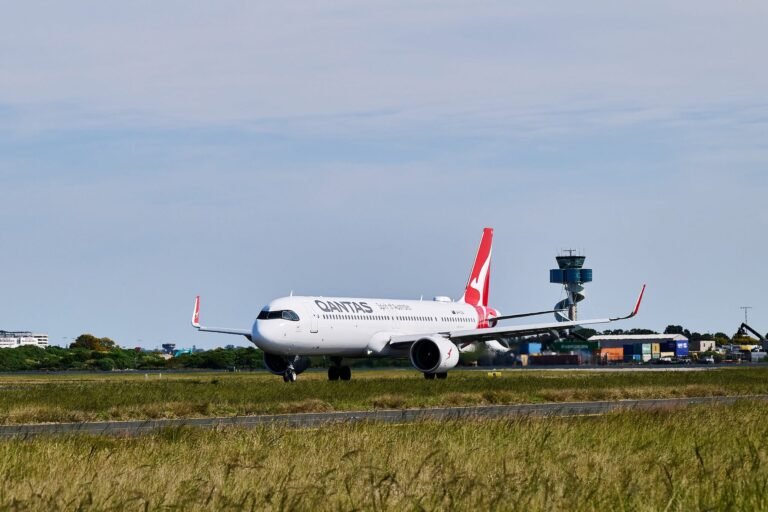
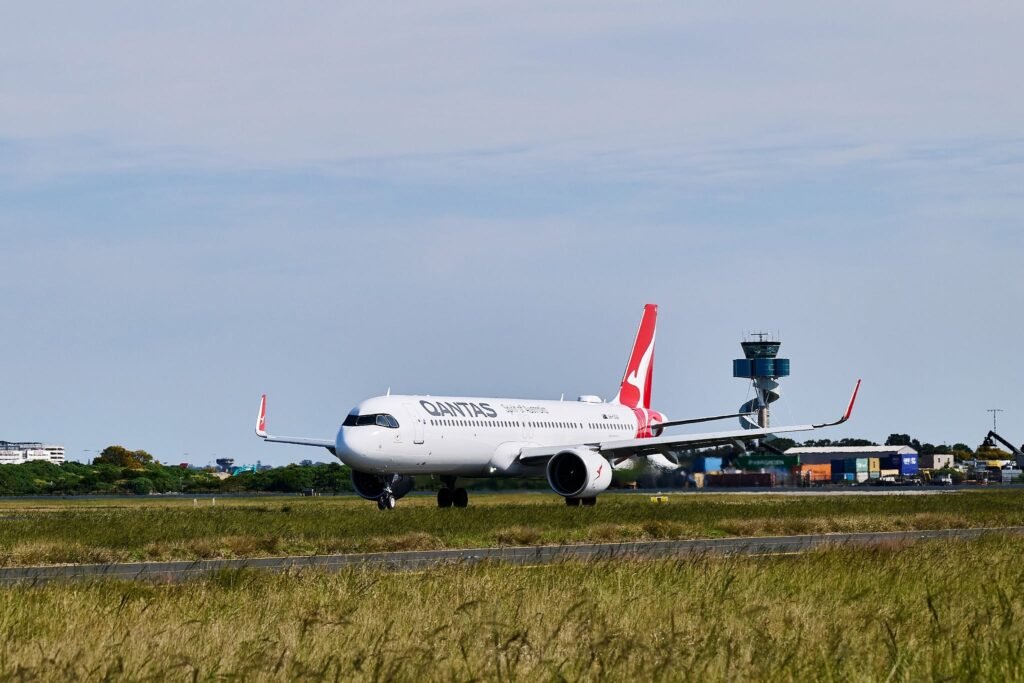
Image: Sydney Airport

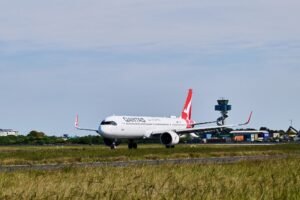
Sydney, Australia: The Australian Transport Safety Bureau (ATSB) has launched an investigation after a Qantas Boeing 737 conducted a go-around at Sydney Airport when its pilots spotted an Air New Zealand Airbus A321 crossing the runway during their approach to land. The incident occurred shortly before 10:15 am local time on November 25, 2026, involving Qantas flight QF426 from Melbourne and an Air New Zealand aircraft preparing to depart Sydney for Auckland.

According to the ATSB, the Qantas Boeing 737-838, registered VH-VZP, was approaching runway 16R when its crew was advised by air traffic control to expect a late landing clearance because other aircraft were crossing the runway. As the aircraft continued its approach, the pilots reported seeing an Air New Zealand Airbus A321 crossing the runway at taxiway Golf. The Qantas aircraft had not yet received clearance to land when the crew elected to discontinue the approach and conduct a go-around.

In its investigation statement, the ATSB said: “As the 737 continued the approach, and prior to receiving a clearance to land, the crew reported seeing the A321 crossing the runway at taxiway Golf. The crew of the 737 elected to conduct a go-around.”

The Qantas aircraft was operating flight QF426 from Melbourne Airport, Victoria, to Sydney Airport, New South Wales. The aircraft involved was a Boeing 737-838, serial number 39362, registered VH-VZP and operated by Qantas Airways Limited. The flight was classified as scheduled domestic commercial air transport under Part 121 operations.

The Air New Zealand aircraft was an Airbus A321-271NX, serial number 12513, registered ZK-NNH. It was operating a scheduled international commercial air transport service under Part 129 foreign air transport operations, with Sydney Airport as its departure point and Auckland International Airport, New Zealand, as its destination.

Both aircraft were operating scheduled passenger services, with the occurrence involving their respective movements on the runway and during the approach phase of the Qantas flight. The ATSB’s occurrence record confirms that neither aircraft sustained damage and no injuries were reported.

Qantas confirmed that its pilots followed air traffic control instructions and made the decision to go around while the other aircraft was crossing the runway. A spokesperson for the airline said: “Our pilots were following Air Traffic Control instructions and elected to conduct a go-around as the other aircraft was crossing the runway.” The spokesperson added: “We’ll support the ATSB as it conducts the investigation.”

The incident has been classified by the ATSB as an aircraft separation issue, with the occurrence categorised as a missed approach and separation issue. Investigation AO-2026-105 remains active, with investigators currently in the evidence collection phase.

The investigation will involve interviews with the flight crews of both aircraft and the air traffic controllers involved. Investigators will also retrieve and examine available recorded information, including air traffic control audio, movement guidance and control system recordings, and any available CCTV footage. Relevant operational manuals, procedures and other information will also be collected and reviewed.

A key part of the investigation will be determining what information was communicated to the crews of both aircraft and how they understood the developing traffic situation. The ATSB said the investigation would seek to establish “what information was provided to the crews of both aircraft, and what mental models those crews held.”

The bureau also highlighted the importance of the safety measures that operated during the occurrence, particularly the Qantas flight crew’s decision to discontinue the approach. The ATSB noted that “important safety defences were in place and operated, such as the flight crew’s go-around decision.”

Beyond examining the immediate circumstances, investigators will assess whether any underlying safety issues or contributing factors were common to other aircraft separation and runway-related occurrences currently under investigation at Sydney Airport. The bureau said it would examine the safety defences in place and seek to establish or rule out any recurring safety concerns.

The ATSB anticipates publishing a preliminary investigation report outlining the factual information in approximately eight weeks. The investigation is currently expected to be completed in the second quarter of 2027. The bureau has also stated that if investigators identify a critical safety issue at any stage, relevant stakeholders will be notified immediately so that appropriate safety action can be taken.

Earlier in 2026, Sydney Airport recorded four aircraft ground-movement and runway safety incidents between July and August, involving Qantas, QantasLink, Jetstar, Qatar Airways and Virgin Australia. The occurrences involved runway conflicts, conflicting air traffic control instructions and close-proximity aircraft movements on taxiways, raising concerns over airport ground operations and runway safety. 

July 27, 2026: A Qantas Boeing 737-800 (VH-XZG) and a QantasLink Dash 8 (VH-QOC) came into conflict when the Qantas aircraft was cleared to cross runway 34L while the Dash 8 was landing. Both aircraft stopped approximately 120 metres apart. No injuries or damage were reported.

August 9, 2026: A Jetstar Airbus A320 (VH-VQJ) came into close proximity with a Qatar Airways Boeing 777-300ER (A7-BEU) being towed by a tug near taxiways Golf and Charlie. Both aircraft stopped abruptly, causing a Jetstar cabin crew member to fall and fracture a wrist. The tow bar was damaged, and the Qatar aircraft sustained minor damage.

August 9, 2026: A Virgin Australia Boeing 737 (VH-IJQ), preparing for take-off on runway 34L, encountered a runway conflict with a Qantas Boeing 737 (VH-XZH) crossing the same runway. The Virgin Australia crew spotted the Qantas aircraft and stopped before take-off. No injuries or aircraft damage were reported.

August 18, 2026: A Qantas Airbus A321 (VH-OGA), preparing to depart for Melbourne, encountered a taxiing conflict with a Qantas Boeing 737-838 (VH-VXL) arriving from the Gold Coast near taxiways Charlie and Lima. The A321 crew applied additional braking and stopped before the intersection, allowing the 737 to pass. No injuries or damage were reported.

The ATSB subsequently released preliminary investigation reports on September 30, 2026, outlining the circumstances of the four occurrences. Investigators examined air traffic control coordination, runway-crossing procedures, controller handovers, operational practices and safety measures. The preliminary reports provided factual information and did not constitute final findings on the causes of the incidents. 

Leave a Comment

Subscribe to our Newsletter

Recent News

Aviation Today Perspectives