Rio De Janeiro, Brazil: The International Air Transport Association (IATA) has sharply reduced its outlook for global airline profitability in 2026, warning that soaring fuel costs linked to the ongoing conflict in the Middle East are eroding earnings across the aviation sector despite continued strength in passenger demand.
Speaking at the IATA Annual General Meeting and World Air Transport Summit in Rio de Janeiro, industry leaders said global airlines are now expected to generate a combined net profit of approximately US$23 billion in 2026, down from the association’s previous forecast of US$41 billion issued before the escalation of the conflict involving Iran.
The downgrade reflects a dramatic increase in jet fuel prices following disruptions to energy supplies and transportation routes across the region. Fuel costs are now expected to reach around US$350 billion, compared with roughly US$252 billion in 2025, adding nearly US$100 billion to airlines’ collective fuel bill.
IATA Director General Willie Walsh said the industry’s outlook has deteriorated significantly as war-related disruptions continue to affect both fuel markets and airline operations. While demand for air travel remains resilient, higher operating costs are expected to cut profit margins across virtually every region.
Industry-wide net profit margins are now forecast to fall to approximately 2%, compared with earlier expectations of more than 4%. Profitability on a per-passenger basis is also expected to decline sharply, underscoring the fragile economics of commercial aviation despite record revenue generation.
According to IATA, global airline revenues are still projected to exceed US$1.16 trillion, supported by steady passenger demand and limited capacity growth. However, much of that revenue growth is being offset by rising fuel expenses, longer flight routings and broader operational disruptions.
The conflict has forced many carriers to avoid affected airspace across parts of the Middle East, resulting in longer flight paths, increased fuel burn and higher operating costs. Airlines have also faced challenges securing fuel supplies in some markets as disruptions ripple through global energy and refining networks.
The financial pressure comes at a time when airlines are already dealing with aircraft delivery delays from major manufacturers Boeing and Airbus, as well as persistent engine reliability issues. The shortages have compelled many carriers to continue operating older aircraft that consume more fuel, further increasing costs.
Walsh criticized ongoing supply-chain constraints affecting aircraft and engine production, arguing that delays are preventing airlines from improving fleet efficiency at a time when fuel costs have become the industry’s biggest challenge.
The Middle East is expected to experience the most severe impact from the crisis. IATA warned that carriers in the region could collectively slip into losses due to weakened demand, airspace restrictions and operational disruptions linked to the conflict. Other regions are expected to remain profitable, although at lower levels than previously forecast.
Industry executives also cautioned that elevated fuel prices could trigger additional airline failures and accelerate consolidation across the sector. Several carriers are already adjusting schedules, reducing flight frequencies and reviewing capacity plans in response to higher operating expenses.
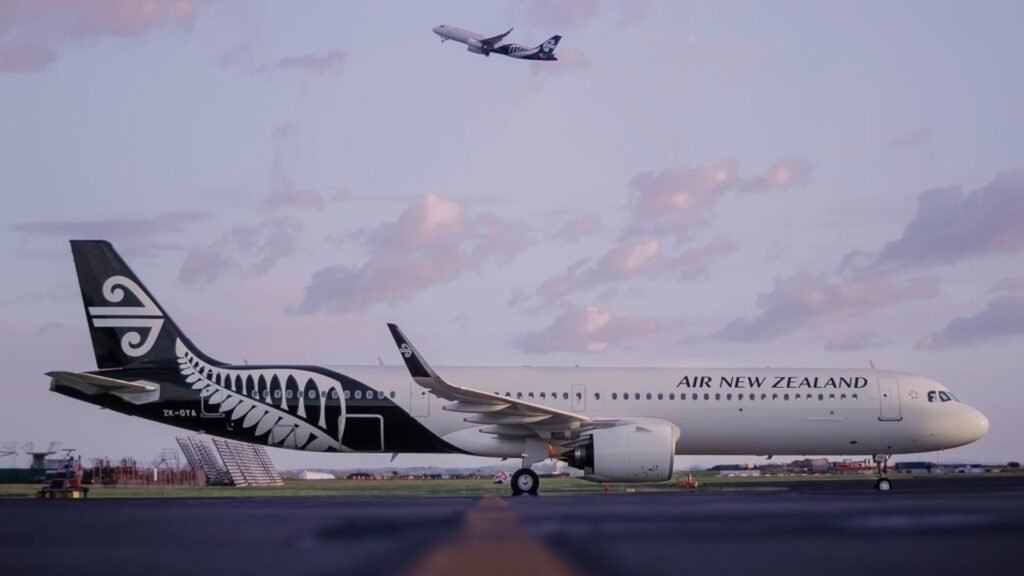
Brazilian carrier Azul recently announced further reductions to flight frequencies as it seeks to mitigate the impact of rising fuel prices, while Air New Zealand indicated it expects elevated fuel costs to persist into 2027 despite fuel-hedging measures.
Airline executives acknowledged that fare increases may become increasingly difficult to avoid if fuel prices remain elevated. However, strong travel demand and constrained capacity have thus far helped airlines maintain pricing power, particularly on long-haul international routes.
Despite the challenges, IATA maintains that the industry remains fundamentally resilient. Passenger demand continues to grow globally, and airline revenues are still expected to reach record levels. Nevertheless, executives warned that sustained geopolitical instability and fuel-market volatility could continue to weigh heavily on profitability through 2026 and beyond.
The revised forecast marks one of the most significant outlook downgrades since the industry’s recovery from the COVID-19 pandemic and highlights the aviation sector’s continued vulnerability to geopolitical shocks and energy-market disruptions.