News
Civil Aviation
Pilot Training
Flight School Analysis
Aviation Jobs
Training
Services
About Us
Contact Us

EASA Issues High-Risk Advisory Urging Airlines To Avoid Iranian Airspace

Picture of Aviation Today News Desk

Aviation Today News Desk

Europe: The European Union Aviation Safety Agency (EASA) has issued a high‑level advisory recommending that airlines avoid operating in Iranian airspace due to escalating safety risks stemming from heightened regional tensions and increased military alert levels. The warning, published on January 16 in a Conflict Zone Information Bulletin (CZIB), underscores a “high risk” to civilian flights over the Tehran Flight Information Region (FIR) at all altitudes and flight levels. EASA’s advisory is part of its ongoing mandate to protect civil aviation amid conflict zone threats. Citing credible intelligence and assessments by member states and the European Commission, the regulator said Iranian air defence forces are on a heightened state of alert, increasing the potential for misidentification of civilian aircraft. The agency also noted the presence of advanced weapons systems and air‑defence networks that could pose danger to commercial flights. “Given the ongoing situation and the potential for military action, there is an increased likelihood of misidentification,” EASA stated, advising airlines not only to avoid Iranian airspace but also to exercise caution and contingency planning in the airspace of neighboring countries, particularly where U.S. military bases are located. Iran had temporarily closed its airspace on January 14, a move that lasted nearly five hours and prompted flight cancellations and reroutings by several international carriers before reopening later that day. Although the closure was lifted, many airlines including major European operators continue to avoid both Iranian and Iraqi airspace due to persistent geopolitical uncertainty. Flight tracking data shows leading carriers such as Wizz Air, Lufthansa, British Airways, Finnair, and KLM opting for alternative routes over Afghanistan and Central Asia to minimize exposure to the volatile region. Some flights now require refuelling or crew changes in locations such as Cyprus and Greece because of these extended paths. Germany’s national air traffic control authority has also issued its own advisory recommending that aircraft avoid Iranian airspace until at least February 10, underlining the broader European consensus on the risks. The advisory is non‑binding but carries significant weight for EU‑registered carriers and third‑country operators authorized by the agency. Airlines are being urged to monitor evolving aeronautical information, adjust flight plans accordingly, and coordinate with relevant aviation authorities to safeguard passengers and crew. EASA’s warning remains valid until February 16, 2026, unless further reviews prompt revision. The agency has stressed ongoing vigilance and continued consultation of all available risk and aeronautical data. Airlines worldwide are expected to adapt routes and operational plans as the situation evolves, balancing safety considerations with commercial imperatives.
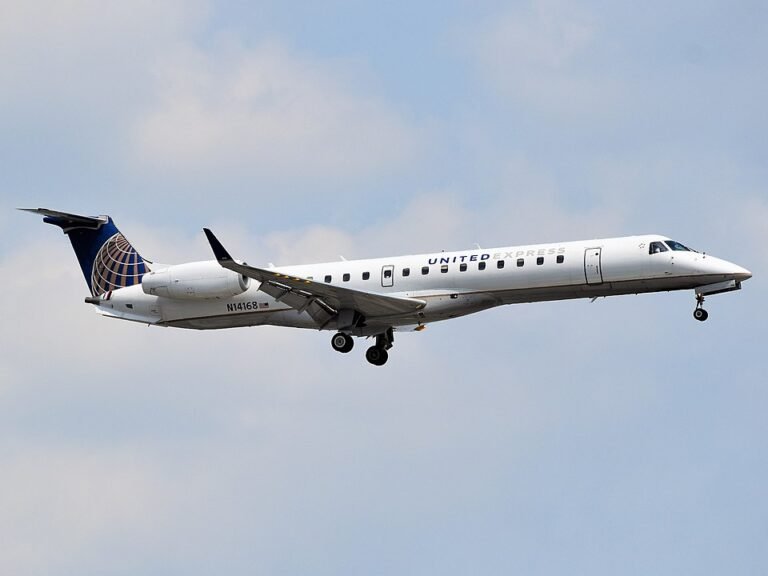
Image: Lufthansa

Europe: The European Union Aviation Safety Agency (EASA) has issued a high‑level advisory recommending that airlines avoid operating in Iranian airspace due to escalating safety risks stemming from heightened regional tensions and increased military alert levels. The warning, published on January 16 in a Conflict Zone Information Bulletin (CZIB), underscores a “high risk” to civilian flights over the Tehran Flight Information Region (FIR) at all altitudes and flight levels.

EASA’s advisory is part of its ongoing mandate to protect civil aviation amid conflict zone threats. Citing credible intelligence and assessments by member states and the European Commission, the regulator said Iranian air defence forces are on a heightened state of alert, increasing the potential for misidentification of civilian aircraft. The agency also noted the presence of advanced weapons systems and air‑defence networks that could pose danger to commercial flights.

“Given the ongoing situation and the potential for military action, there is an increased likelihood of misidentification,” EASA stated, advising airlines not only to avoid Iranian airspace but also to exercise caution and contingency planning in the airspace of neighboring countries, particularly where U.S. military bases are located.

Iran had temporarily closed its airspace on January 14, a move that lasted nearly five hours and prompted flight cancellations and reroutings by several international carriers before reopening later that day. Although the closure was lifted, many airlines including major European operators continue to avoid both Iranian and Iraqi airspace due to persistent geopolitical uncertainty.

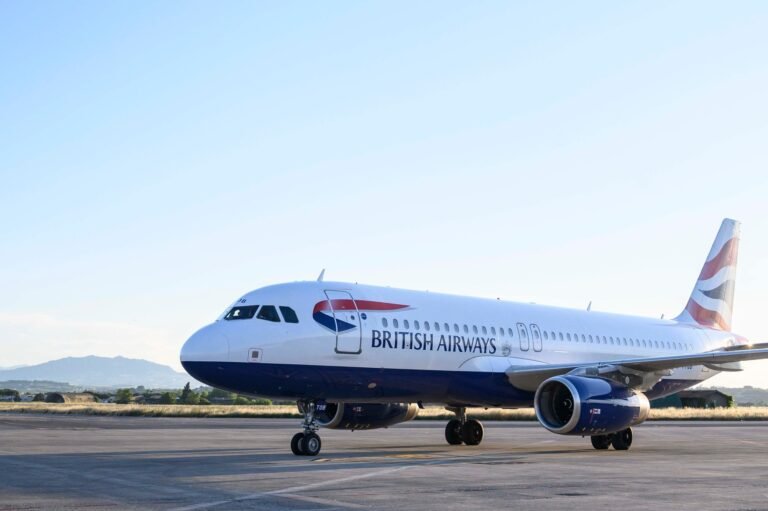
Flight tracking data shows leading carriers such as Wizz Air, Lufthansa, British Airways, Finnair, and KLM opting for alternative routes over Afghanistan and Central Asia to minimize exposure to the volatile region. Some flights now require refuelling or crew changes in locations such as Cyprus and Greece because of these extended paths.

Germany’s national air traffic control authority has also issued its own advisory recommending that aircraft avoid Iranian airspace until at least February 10, underlining the broader European consensus on the risks.

The advisory is non‑binding but carries significant weight for EU‑registered carriers and third‑country operators authorized by the agency. Airlines are being urged to monitor evolving aeronautical information, adjust flight plans accordingly, and coordinate with relevant aviation authorities to safeguard passengers and crew. 

EASA’s warning remains valid until February 16, 2026, unless further reviews prompt revision. The agency has stressed ongoing vigilance and continued consultation of all available risk and aeronautical data. Airlines worldwide are expected to adapt routes and operational plans as the situation evolves, balancing safety considerations with commercial imperatives.

Leave a Comment

Subscribe to our Newsletter

Recent News

error: Unauthorized copying is not permitted