News
Civil Aviation
Pilot Training
Flight School Analysis
Aviation Jobs
Training
Services
About Us
Contact Us

Union Strike Disrupts Kenya’s Main Airport For Two Days Before Return-To-Work Deal

Picture of Aviation Today News Desk

Aviation Today News Desk

Union Strike Disrupts Kenya’s Main Airport For Two Days Before Return-To-Work Deal SEO DES: Union leaders said the strike stemmed from delays in a CBA, pay, working conditions, contract terms, staff representation and unmet past agreements SOCIAL: A two-day strike by aviation workers at Jomo Kenyatta International Airport disrupted domestic and international flights after union members walked out over unresolved labour grievances, including delays in a collective bargaining agreement, pay and working conditions. The action affected airlines such as Kenya Airways, IndiGo and Etihad Airways, causing cancellations and long delays. Following government-led talks, the Kenya Aviation Workers Union called off the strike on Feb. 17 after reaching a return-to-work agreement, with operations expected to normalise within 24 hours. Nairobi, Kenya: A strike by aviation workers at Jomo Kenyatta International Airport (JKIA), Kenya’s largest and busiest aviation hub that began on Monday morning, Feb. 16, 2026, was resolved on Tuesday, Feb. 17, 2026, after an agreement was reached between union leaders and the government, ending two days of travel chaos and flight disruptions. The industrial action started early on Feb. 16, 2026, when members of the Kenya Aviation Workers Union (KAWU) including air traffic control and other airport staff walked off the job, despite an attempt by the Kenya Civil Aviation Authority (KCAA) to block the strike through the courts. Union leaders said the strike was triggered by long-standing labour grievances, particularly delays in finalising a collective bargaining agreement (CBA), issues over pay, working conditions, contract terms, and staff representation, and the failure of authorities to honour parts of previous agreements with workers. The union had issued a seven-day strike notice before the walkout after the government and aviation authority failed to negotiate on the outstanding concerns. The strike paralysed flight operations at JKIA one of Africa’s most important aviation gateways and caused major delays and cancellations that affected both domestic and international travel. Airlines such as Kenya Airways reported air traffic control delays affecting both departures and arrivals, resulting in disrupted schedules. IndiGo cancelled its Mumbai–Nairobi–Mumbai service on Feb. 17, stranding hundreds of passengers, including Indian nationals trying to return home. Etihad Airways confirmed cancellations and delays on flights between Abu Dhabi and Nairobi due to the industrial action. Airport authorities implemented contingency plans and advised passengers to check flight statuses before travelling to the airport. Reports described backlogs in terminals, with some travellers stranded overnight and experiencing delays of up to six hours or more. After intensive talks involving the Ministry of Roads and Transport, the Ministry of Labour, the Kenya Airports Authority (KAA), the KCAA, and KAWU, an agreement was reached on Tuesday, Feb. 17, 2026, leading the union to call off the strike and commit to a return-to-work formula. Transport Cabinet Secretary Davies Chirchir led mediation efforts, stressing the importance of maintaining stability in the aviation sector for Kenya’s economy. Under the deal, all parties agreed on an immediate resumption of duties and committed to addressing outstanding issues, including reviewing staff representation, job grading, and continued negotiations on labour concerns under the guidance of the Ministry of Labour. Following the agreement, airport authorities confirmed that operations at JKIA and other affected airports were resuming gradually, with airlines working to restore normal schedules. Kenya Airways said it expected flight operations to return to normal within about 24 hours of the strike’s end.

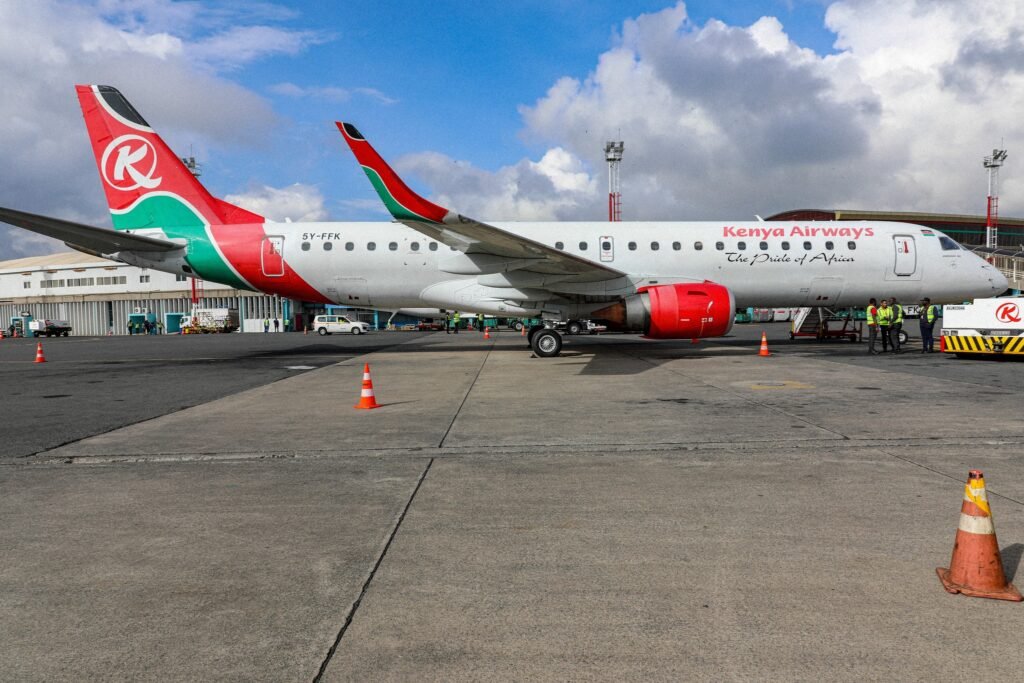
Image: Kenya Airways

Nairobi, Kenya: A strike by aviation workers at Jomo Kenyatta International Airport (JKIA), Kenya’s largest and busiest aviation hub that began on Monday morning, Feb. 16, 2026, was resolved on Tuesday, Feb. 17, 2026, after an agreement was reached between union leaders and the government, ending two days of travel chaos and flight disruptions.

The industrial action started early on Feb. 16, 2026, when members of the Kenya Aviation Workers Union (KAWU) including air traffic control and other airport staff walked off the job, despite an attempt by the Kenya Civil Aviation Authority (KCAA) to block the strike through the courts.

Union leaders said the strike was triggered by long-standing labour grievances, particularly delays in finalising a collective bargaining agreement (CBA), issues over pay, working conditions, contract terms, and staff representation, and the failure of authorities to honour parts of previous agreements with workers.

The union had issued a seven-day strike notice before the walkout after the government and aviation authority failed to negotiate on the outstanding concerns.

The strike paralysed flight operations at JKIA one of Africa’s most important aviation gateways and caused major delays and cancellations that affected both domestic and international travel.

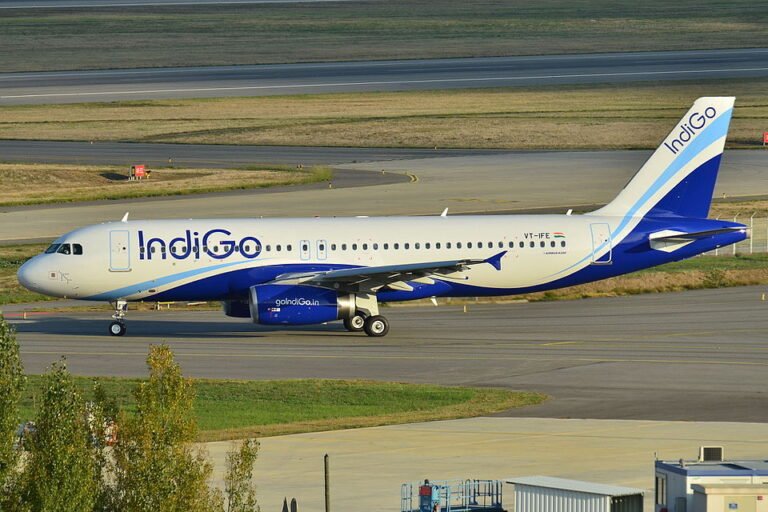
Airlines such as Kenya Airways reported air traffic control delays affecting both departures and arrivals, resulting in disrupted schedules. IndiGo cancelled its Mumbai–Nairobi–Mumbai service on Feb. 17, stranding hundreds of passengers, including Indian nationals trying to return home. 

Etihad Airways confirmed cancellations and delays on flights between Abu Dhabi and Nairobi due to the industrial action. 

Airport authorities implemented contingency plans and advised passengers to check flight statuses before travelling to the airport.

Reports described backlogs in terminals, with some travellers stranded overnight and experiencing delays of up to six hours or more.

After intensive talks involving the Ministry of Roads and Transport, the Ministry of Labour, the Kenya Airports Authority (KAA), the KCAA, and KAWU, an agreement was reached on Tuesday, Feb. 17, 2026, leading the union to call off the strike and commit to a return-to-work formula.

Transport Cabinet Secretary Davies Chirchir led mediation efforts, stressing the importance of maintaining stability in the aviation sector for Kenya’s economy.

Under the deal, all parties agreed on an immediate resumption of duties and committed to addressing outstanding issues, including reviewing staff representation, job grading, and continued negotiations on labour concerns under the guidance of the Ministry of Labour.

Following the agreement, airport authorities confirmed that operations at JKIA and other affected airports were resuming gradually, with airlines working to restore normal schedules. Kenya Airways said it expected flight operations to return to normal within about 24 hours of the strike’s end.

Leave a Comment

Subscribe to our Newsletter

Recent News

error: Unauthorized copying is not permitted