Riyadh, Saudi Arabia: Three Saudi nationals were killed and several others injured in two attacks targeting King Khalid International Airport in Riyadh on Thursday, October 8, according to Saudi Arabia’s General Authority of Civil Aviation (GACA).
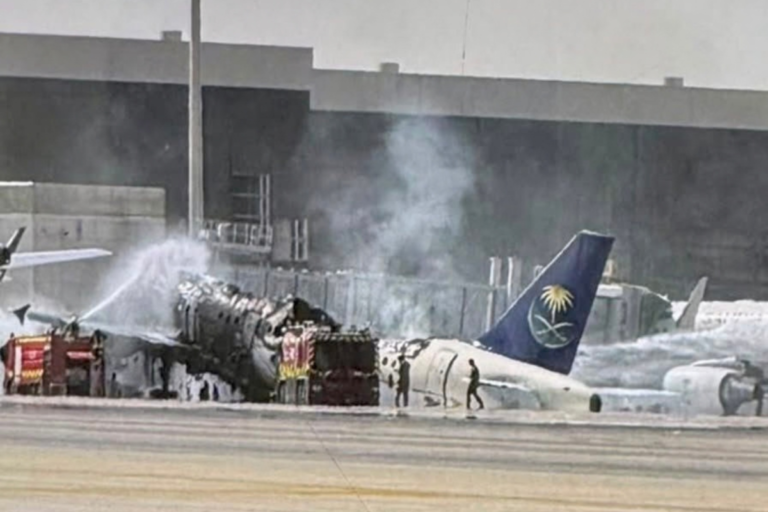
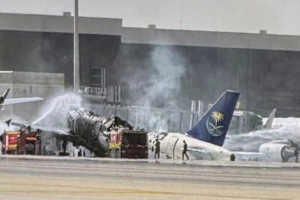
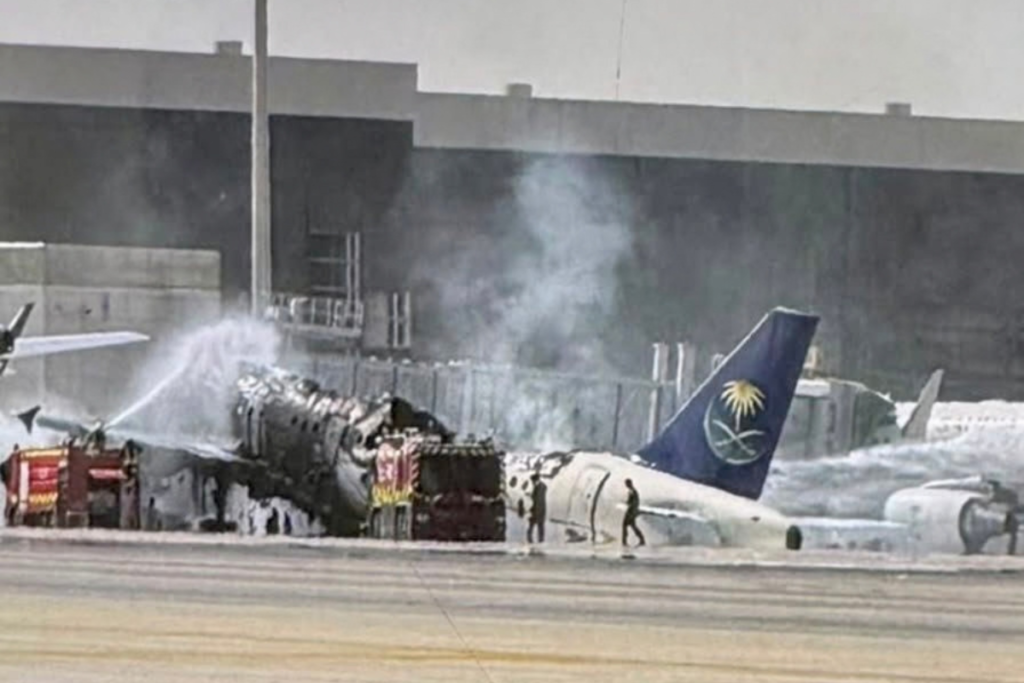
The dead included Saudia Airlines Captain Hamoud Ali Al-Kalthami, whose death was confirmed by the national carrier on Friday. The identities of the other two victims have not been publicly released. Authorities also confirmed that a Saudia aircraft was damaged while parked at the airport, with no passengers on board.
The attacks came amid escalating hostilities between Saudi Arabia and Yemen’s Houthi movement. The Houthis claimed responsibility for targeting Riyadh airport with a ballistic missile, although GACA’s statement did not identify those responsible. The latest incident followed separate attacks on Riyadh and Abha airports on October 6 and 7 that killed three foreign nationals and injured 36 people.
GACA said the October 9, 2026 incidents involved two separate attacks. The first targeted airport facilities, while the second struck an aircraft belonging to Saudi Arabian Airlines, widely known as Saudia.
In its statement, GACA said: “The first attack targeted airport facilities, while the second targeted an aircraft belonging to Saudi Arabian Airlines.” The authority reported three Saudi fatalities and injuries to several Saudi citizens and residents of different nationalities. The injuries ranged from minor to serious, and those affected were taken to hospitals for treatment.
The authority also reported material damage and said emergency teams and relevant agencies responded in accordance with established emergency procedures. The attacks disrupted flight operations, but Saudia said airport operations had returned to normal by 6 p.m. local time on Thursday.
Saudia confirmed that Captain Hamoud Ali Al-Kalthami was among those killed in the October 8 attacks. The airline expressed condolences to his family, friends and colleagues, recognising his service to the national carrier.
The airline also confirmed that one of its aircraft was damaged while on the ground at King Khalid International Airport. There were no passengers on board the aircraft when it was damaged, according to the statement.
The aircraft damage has therefore been confirmed by both GACA and Saudia. However, the available statements do not establish that Captain Al-Kalthami was killed while operating that aircraft, nor do they establish that he was aboard it when the attack occurred.
The Houthis claimed to have targeted Riyadh airport with a ballistic missile. Saudi authorities confirmed the attacks and their consequences, but GACA did not explicitly attribute the strikes to the group in its statement.
The October 8 fatalities were separate from the three deaths reported in attacks on Abha International Airport and King Khalid International Airport on October 6 and 7.
According to GACA, the attack on Abha airport killed two female residents, one Moroccan and one Algerian, and injured 28 people. A separate attack on Riyadh airport killed a Sudanese national and injured eight others, including five Saudi citizens, two Egyptian residents and one Pakistani resident.
The combined toll from those two earlier incidents was three deaths and 36 injuries. Saudi authorities said the injured were transferred to hospitals, with injuries ranging from minor to serious.
The Houthis claimed responsibility for the attacks amid renewed fighting with Saudi-backed Yemeni government forces. Their strikes against Saudi aviation infrastructure have raised concerns about civilian safety and regional air travel.
The UAE ministry stated: “These attacks constitute a flagrant violation of the sovereignty of the Kingdom of Saudi Arabia and a threat to its security and stability.” It also reaffirmed the UAE’s solidarity with Saudi Arabia and expressed condolences to the victims’ families.
Separately, the Saudi-led coalition fighting the Houthis said it had destroyed three missile launch platforms used by the group.
The Houthis had previously warned international airlines about operating in Saudi airspace, describing it as a theatre for their military operations. The attacks have prompted flight disruptions and suspensions by several international carriers, highlighting the wider implications for civil aviation.