Caracas, Venezuela: Venezuela’s civil aviation authority has officially revoked the operating permits of six major international airlines after they failed to comply with a government-imposed 48-hour deadline to resume flights.
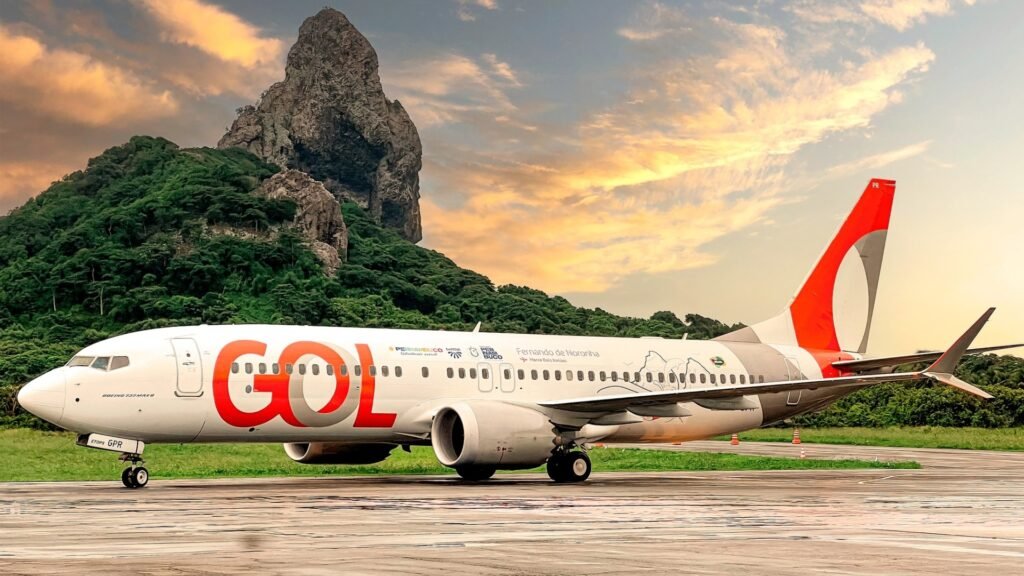
The affected carriers are Iberia (Spain), TAP Air Portugal (Portugal), Avianca (Colombia), LATAM Airlines (Chile/Brazil), Turkish Airlines (Turkey), and GOL Linhas Aéreas (Brazil). Venezuelan authorities stated that the airlines’ suspension of flights following a safety advisory issued by the U.S. Federal Aviation Administration (FAA) amounted to an alignment with “actions of state terrorism promoted by the United States.”
The FAA had issued a warning earlier this month, citing a “potentially hazardous situation” over Venezuelan and Caribbean airspace due to heightened military activity in the region, including increased U.S. naval deployment. Airlines cited this advisory when temporarily halting flights to Venezuela.
Caracas has rejected any external jurisdiction over its airspace and framed the suspensions as politically motivated. In a statement, the Interior Ministry said, “The government will not tolerate violations of our sovereignty by foreign airlines complying with pressures from foreign powers.”
European and Latin American governments have expressed concern over the decision. The Portuguese Foreign Ministry described the revocation as “totally disproportionate,” emphasizing that TAP had acted purely on safety grounds. Observers warn that the ban could escalate diplomatic tensions between Venezuela, the United States, and European nations.
The revocation significantly reduces Venezuela’s international air connectivity. Thousands of passengers are affected, especially with the peak holiday travel season approaching. Airlines that suspended flights but adhered to the Venezuelan deadline, such as Air Europa and Plus Ultra, have not had their permits revoked. Meanwhile, regional carriers like Copa Airlines and domestic Venezuelan airlines continue to operate, maintaining limited air services.
The ban also affects trade and logistics. Freight services and cargo operations have been disrupted, adding to the already fragile economic and transportation infrastructure of the country. Analysts warn that long-term restrictions could isolate Venezuela from major global air networks, impacting both business and humanitarian travel.
Some airlines have expressed willingness to resume flights once “full safety conditions” are guaranteed. Aviation industry experts note that such state actions set a complex precedent for international carriers operating in conflict-prone or politically sensitive regions. Legal challenges and diplomatic negotiations may follow as airlines attempt to reinstate their rights.