News
Civil Aviation
Pilot Training
Flight School Analysis
Aviation Jobs
Training
Services
About Us
Contact Us

SpiceJet Employees Face Months Of Salary Delays As Airline Seeks Emergency Funding

Picture of Aviation Today News Desk

Aviation Today News Desk

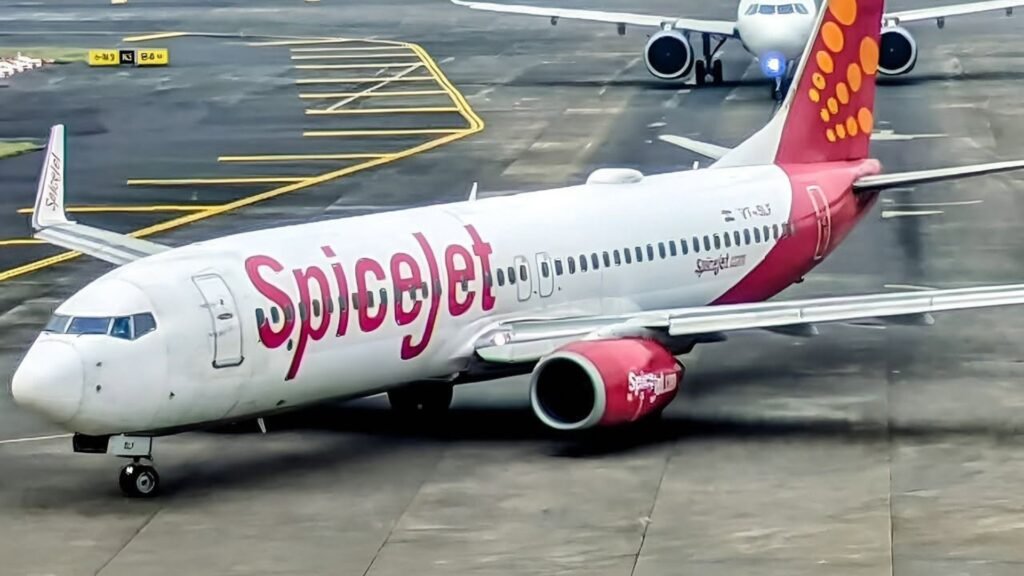
New Delhi, India: Thousands of aviation employees at SpiceJet, including a significant number of pilots, continue to face salary delays stretching back several months as the financially troubled airline seeks emergency government-backed funding to stabilize operations and restore cash flow. According to internal communications reviewed by Reuters, many SpiceJet pilots have not received full salary payments since March 2026, highlighting the severity of the airline's ongoing liquidity challenges. The issue has sparked growing concerns among employees, some of whom reportedly struggle to meet daily expenses and financial commitments. SpiceJet employed approximately 375 pilots as of March 2026, and internal discussions reviewed by Reuters indicate that salary payments have remained pending for several months for many of them. Communications from a pilots' WhatsApp group involving more than 180 members revealed growing frustration over delayed wages. In one message dated May 26, SpiceJet's Senior Vice President of Flight Operations, Virendra Malhotra, acknowledged the difficulties faced by employees due to delayed salary disbursements and indicated that the remaining portion of February salaries would be released shortly. Pilots subsequently sought clarity regarding payments for March, April, and May salaries, which remained outstanding at the time. Several employees reportedly stated that delayed payments had created financial hardship, forcing some to seek assistance from family members and friends to manage essential expenses. SpiceJet acknowledged that salary disbursements had been delayed but stated that employee payments were being released in phases. According to the airline, a majority of employees had already received March salaries, while efforts continued to clear outstanding dues. The carrier maintained that employee payments remained a priority and that all obligations would be honored. As it attempts to navigate the crisis, SpiceJet is actively pursuing funding under India's Emergency Credit Line Guarantee Scheme (ECLGS). The government-backed program allows eligible airlines to access seven-year guaranteed loans of up to ₹1,500 crore ($157.2 million USD). Reports also indicate that SpiceJet has sought additional funding of approximately ₹2,000 crore ($210 million USD) under the scheme as it attempts to strengthen liquidity and support day-to-day operations. The airline said it expects business conditions to normalize over the coming months and described the funding effort as part of broader measures aimed at restoring operational stability. SpiceJet's current financial stress stems from a combination of long-term and recent challenges. The airline was India's second-largest domestic carrier in 2019, commanding roughly 15% of the market. However, its market share has since declined dramatically to approximately 3.4%, placing it fourth among Indian airlines.. The airline has reported annual losses almost every year since 2019, with the exception of FY2024-25, when it posted a small profit largely driven by one-time gains from settlements with aircraft lessors. SpiceJet currently operates an active fleet of approximately 21 aircraft. The carrier declined scheduled flights from 4,494 flights in January 2026 to 3,053 flights in May 2026, according to aviation analytics firm OAG. The airline's financial struggles have also weighed heavily on investor confidence, with its share price reportedly falling around 60% during 2026. At least two aircraft lessors have reportedly issued payment default notices to the airline this year, reflecting continuing concerns about its financial position. Despite the challenges, SpiceJet has taken steps to expand available capacity. The airline recently returned a Boeing 737 MAX aircraft to commercial service and finalized lease arrangements for three Airbus A320 aircraft scheduled to join the fleet in July. Management says the additional aircraft are intended to help meet passenger demand and support operational recovery.
Image: SpiceJet

New Delhi, India: Thousands of aviation employees at SpiceJet, including a significant number of pilots, continue to face salary delays stretching back several months as the financially troubled airline seeks emergency government-backed funding to stabilize operations and restore cash flow.

According to internal communications reviewed by Reuters, many SpiceJet pilots have not received full salary payments since March 2026, highlighting the severity of the airline’s ongoing liquidity challenges. The issue has sparked growing concerns among employees, some of whom reportedly struggle to meet daily expenses and financial commitments.

SpiceJet employed approximately 375 pilots as of March 2026, and internal discussions reviewed by Reuters indicate that salary payments have remained pending for several months for many of them. Communications from a pilots’ WhatsApp group involving more than 180 members revealed growing frustration over delayed wages.

In one message dated May 26, SpiceJet’s Senior Vice President of Flight Operations, Virendra Malhotra, acknowledged the difficulties faced by employees due to delayed salary disbursements and indicated that the remaining portion of February salaries would be released shortly. Pilots subsequently sought clarity regarding payments for March, April, and May salaries, which remained outstanding at the time.

Several employees reportedly stated that delayed payments had created financial hardship, forcing some to seek assistance from family members and friends to manage essential expenses.

SpiceJet acknowledged that salary disbursements had been delayed but stated that employee payments were being released in phases.

According to the airline, a majority of employees had already received March salaries, while efforts continued to clear outstanding dues. The carrier maintained that employee payments remained a priority and that all obligations would be honored.

As it attempts to navigate the crisis, SpiceJet is actively pursuing funding under India’s Emergency Credit Line Guarantee Scheme (ECLGS).

The government-backed program allows eligible airlines to access seven-year guaranteed loans of up to ₹1,500 crore ($157.2 million USD). Reports also indicate that SpiceJet has sought additional funding of approximately ₹2,000 crore ($210 million USD) under the scheme as it attempts to strengthen liquidity and support day-to-day operations.

The airline said it expects business conditions to normalize over the coming months and described the funding effort as part of broader measures aimed at restoring operational stability.

SpiceJet’s current financial stress stems from a combination of long-term and recent challenges. The airline was India’s second-largest domestic carrier in 2019, commanding roughly 15% of the market. However, its market share has since declined dramatically to approximately 3.4%, placing it fourth among Indian airlines..

The airline has reported annual losses almost every year since 2019, with the exception of FY2024-25, when it posted a small profit largely driven by one-time gains from settlements with aircraft lessors.

SpiceJet currently operates an active fleet of approximately 21 aircraft. The carrier declined scheduled flights from 4,494 flights in January 2026 to 3,053 flights in May 2026, according to aviation analytics firm OAG.

The airline’s financial struggles have also weighed heavily on investor confidence, with its share price reportedly falling around 60% during 2026.

At least two aircraft lessors have reportedly issued payment default notices to the airline this year, reflecting continuing concerns about its financial position.

Despite the challenges, SpiceJet has taken steps to expand available capacity. The airline recently returned a Boeing 737 MAX aircraft to commercial service and finalized lease arrangements for three Airbus A320 aircraft scheduled to join the fleet in July. Management says the additional aircraft are intended to help meet passenger demand and support operational recovery.


Leave a Comment

Subscribe to our Newsletter

Recent News