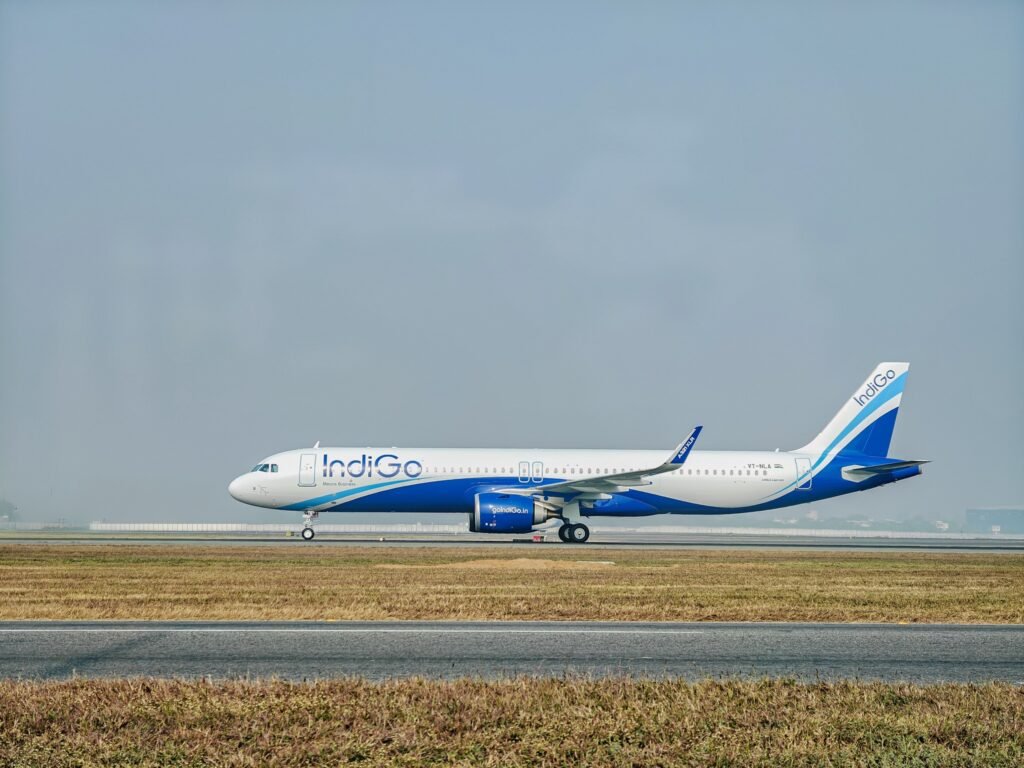
New Delhi, India: India’s largest airline, IndiGo, has begun trial operations of an artificial intelligence-powered flight optimisation system aimed at reducing fuel consumption during one of the most fuel-intensive phases of flight take-off and climb.
The airline has started testing SITA’s OptiClimb solution across its Airbus fleet from June 25, marking a significant step in the adoption of advanced digital technologies to improve operational efficiency, reduce fuel burn, and lower carbon emissions.
The initiative comes at a time when airlines worldwide are facing mounting pressure from rising fuel costs, sustainability targets, and increasing operational expenses. Fuel remains one of the largest cost components for airlines, making even small efficiency gains highly valuable across large fleets.
Developed by aviation technology provider SITA, OptiClimb uses artificial intelligence, machine learning, aircraft-specific performance data, operational parameters, and real-time weather information to recommend the most fuel-efficient climb profile for each flight.
Traditionally, aircraft follow relatively fixed climb procedures after take-off. Under the new system, pilots receive tailored speed recommendations based on factors such as aircraft weight, cruise altitude, atmospheric conditions, and actual aircraft performance. The objective is to optimise the climb phase without compromising safety or operational requirements.
According to reports, the climb segment is among the most fuel-intensive portions of a flight because aircraft engines operate at high thrust settings during ascent. By adjusting climb speeds based on real-time conditions rather than relying solely on standard profiles, airlines can reduce fuel consumption significantly.
IndiGo estimates the technology could save approximately 60 to 65 kilograms of fuel on every take-off.
While the savings may appear modest on an individual flight, the impact becomes substantial when multiplied across thousands of daily operations. With IndiGo operating the largest fleet and flight network in India, cumulative annual fuel savings could translate into considerable reductions in operating costs and carbon emissions.
The airline has reportedly spent several months working with SITA to integrate and prepare the system before launching operational trials.
The move reflects a broader shift within the aviation industry toward data-driven flight optimisation.
SITA’s OptiFlight platform, which includes the OptiClimb module, is already used by airlines around the world to improve fuel efficiency during various phases of flight. According to SITA, the platform supports more than 2,500 aircraft globally and can help airlines reduce fuel consumption and emissions through aircraft-specific performance modelling, machine learning, and advanced weather forecasting.
The technology forms part of a wider industry effort to achieve sustainability targets while mitigating the financial impact of volatile fuel prices.
The adoption of AI-driven optimisation comes as Indian airlines continue to manage elevated aviation turbine fuel (ATF) costs. In recent months, carriers including IndiGo and Air India have adjusted capacity and schedules amid higher fuel prices and changing market conditions.
Air India Group has already deployed SITA’s OptiFlight climb optimisation technology and SITA eWAS weather solutions across portions of its fleet. The airline previously stated that the deployment could help save approximately 11,100 tonnes of fuel annually while reducing carbon emissions by around 35,000 tonnes per year.
Industry experts believe AI-powered flight optimisation tools will increasingly become standard across commercial aviation as airlines seek to balance operational efficiency, environmental commitments, and profitability.
For IndiGo, the OptiClimb trials represent another step in its ongoing efforts to improve fuel efficiency through technology and operational innovation. The carrier has historically implemented multiple fuel-saving initiatives, ranging from operational procedures to ground-efficiency measures.
If the trials deliver the expected results, the airline could expand the technology across its Airbus fleet, potentially generating substantial long-term savings while supporting its sustainability objectives.
As aviation enters a more data-driven era, artificial intelligence is increasingly moving from the back office into the cockpit, helping airlines make real-time operational decisions that directly influence fuel consumption, costs, and environmental performance.