New Delhi, India: India’s aviation sector has faced a turbulent start to the year with more than 5,700 flights cancelled in the first six months, largely due to geopolitical tensions and regulatory complications. Data presented by the Ministry of Civil Aviation in the parliament showed that between January and June 2025, Indian carriers scheduled 572,079 departures, of which 5,706 were cancelled, accounting for nearly one percent of total flights.
Officials said the primary reasons included a brief four-day military conflict with Pakistan in May that forced suspension of civilian operations at several northern airports sharing infrastructure with the armed forces, the ongoing closure of Pakistani airspace for Indian carriers that has disrupted westbound routes to Europe and the Middle East, and wider instability linked to the conflict between Iran and Israel which has further complicated international operations.
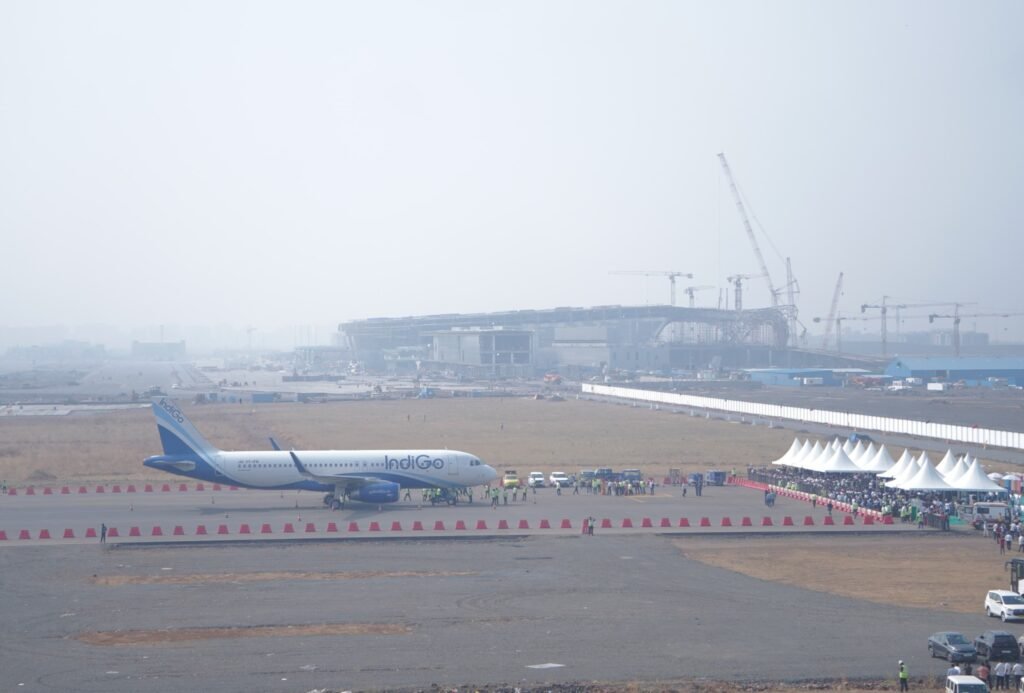
The cancellations were unevenly distributed across airlines, with IndiGo bearing the heaviest burden, reporting 3,274 cancellations that made up almost 57 percent of the total. The Air India Group, which includes Air India Express, cancelled 1,468 flights, representing about 26 percent of the total. SpiceJet cancelled 401, while Akasa Air saw the lowest disruption with 64 cancellations.
According to the ministry, the cancellations not only grounded aircraft but also imposed significant costs on airlines, from increased fuel bills on rerouted flights and extended crew duty hours to additional airport fees, aircraft maintenance delays and rebooking expenses for affected passengers. Under the Directorate General of Civil Aviation’s compensation framework, airlines were required to either refund fares or provide alternate travel arrangements to customers whose flights were disrupted.
Despite the disruptions, India’s domestic air travel market continued to expand, with passenger numbers growing by 7.34 percent in the first half of the year compared to the same period in 2024. Analysts said the figures underline the resilience of India’s aviation market, though the financial strain on airlines remains considerable.
Air India, in particular, has faced additional operational pressure, cutting about 15 percent of its international long-haul flights and grounding several Boeing Dreamliners for inspections after a recent crash, while also suspending services over Middle Eastern airspace amid escalating regional conflict. Industry observers note that airlines are preparing to recalibrate their schedules in the coming winter season, with some long-haul routes expected to be restored, including Air India’s planned Goa–London Gatwick service.
The Ministry of Civil Aviation has said it is working closely with airlines to address regulatory issues, but the cancellations highlight how external shocks beyond the industry’s control continue to ripple through one of the world’s fastest-growing aviation markets. While the 5,706 cancellations amount to just one percent of total scheduled departures, the episode has exposed operational vulnerabilities and reaffirmed that India’s carriers remain at the mercy of geopolitical currents, regulatory bottlenecks, and unpredictable regional conflicts.