News
Civil Aviation
Pilot Training
Flight School Analysis
Aviation Jobs
Training
Services
About Us
Contact Us

American Airlines Flight 1760 Makes Emergency Landing After Bird Strike Damages Engine

Picture of Aviation Today News Desk

Aviation Today News Desk

Myrtle Beach, United States: American Airlines Flight 1760, a Boeing 737-800 operating from Myrtle Beach International Airport in South Carolina to Charlotte Douglas International Airport in North Carolina, made an emergency return to Myrtle Beach on Monday, August 10, after reportedly striking a flock of birds shortly after takeoff and experiencing an engine malfunction. The aircraft took off from Myrtle Beach at about 8:11 a.m. local time and was only minutes into the flight when the crew reported the problem to air traffic control. According to air traffic recordings obtained through LiveATC.net, the pilot declared a Mayday, saying, “Mayday, mayday, mayday. We’ve got an engine problem here.” The crew subsequently reported an engine malfunction as the aircraft turned back toward Myrtle Beach. Reports indicate the aircraft had struck birds during its climb, with another pilot who witnessed the event telling air traffic control, “I saw he took up birds, it looked like, at least in the left side engine.” The reported bird ingestion involved the aircraft’s left engine, beneath the left wing. Passengers recorded video showing bright orange flames and sparks appearing from the left side of the aircraft beneath the wing. Passenger Patrick Gotwalt captured footage of the event, while witnesses on the ground also reported hearing several loud popping sounds and seeing orange flashes from the aircraft’s left side. Lindsey Mackey, who was on the ground near the beach, told CNN that she heard loud popping noises before noticing orange flashes coming from the aircraft’s left wing. The visual evidence showed what appeared to be flames or sparks coming from the area around the left engine as the aircraft continued flying back toward the airport. As the Boeing 737-800 returned, airport emergency personnel prepared for its arrival. Workers subsequently found substantial bird remains and debris on the runway. Radio communications from the airport included the statement, “We’ve got a lot of bird debris out here. We’re going to grab as many big pieces as we can.” The debris provided physical evidence consistent with reports that the aircraft had struck birds. Flight 1760 landed safely back at Myrtle Beach at approximately 8:40 a.m., after spending roughly 15 minutes in the air, according to reports. The aircraft taxied to the gate under its own power, allowing passengers to disembark normally. No injuries were reported. The flight was carrying 172 passengers/customers and nine crew members, according to the New York Post, although the airline's statement cited by The U.S. Sun referred specifically to the 172 customers aboard. American Airlines said the aircraft was removed from service for a maintenance inspection following the incident. In a statement, the airline said, “The aircraft landed safely and has been taken out of service to be inspected by our maintenance team.” The airline added, “Our team worked to get customers on their way to Charlotte (CLT) on a replacement aircraft.” American also thanked its employees for their professionalism and passengers for their understanding. The aircraft was therefore not continued to Charlotte after the emergency landing. American arranged a replacement aircraft so the affected passengers could continue their journey to Charlotte. Although video footage showed flames coming from the left engine area, the New York Post reported that there was no internal engine fire, indicating that the visible flames did not necessarily represent a sustained fire inside the engine. The aircraft was nevertheless removed from service for inspection. The Federal Aviation Administration confirmed that the aircraft landed at Myrtle Beach at about 8:40 a.m. and said it would investigate the incident. The investigation is expected to establish the precise nature of the engine malfunction and assess the bird-strike evidence. The bird remains recovered after the incident are also significant because wildlife remains from aircraft strikes can be examined to determine the species involved. The FAA's Smithsonian Feather Identification Lab program routinely analyzes bird remains from aircraft strikes to help identify the species and improve airport wildlife-management measures.
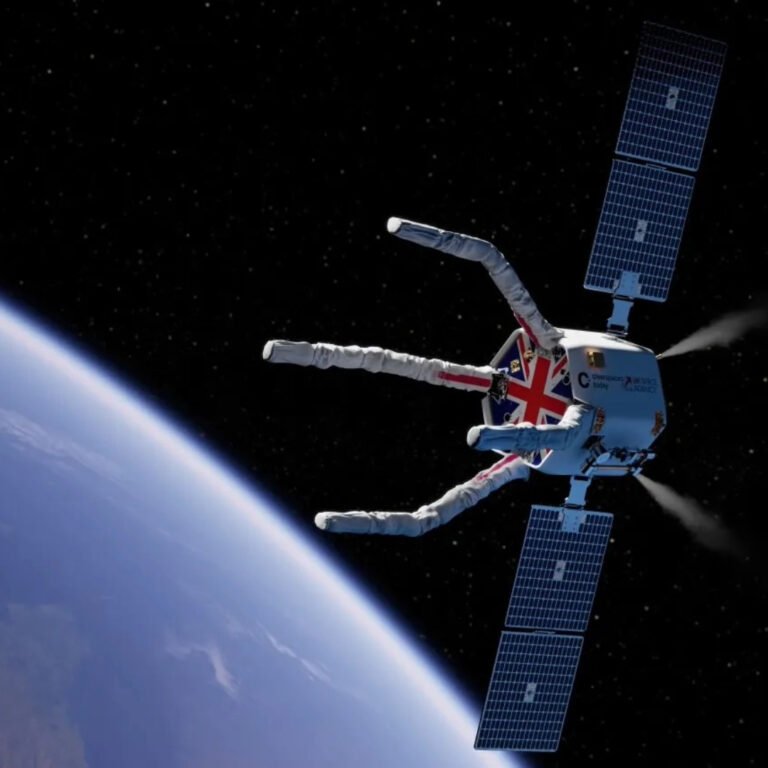
Image: Acroterion (Wikimedia)

Myrtle Beach, United States: American Airlines Flight 1760, a Boeing 737-800 operating from Myrtle Beach International Airport in South Carolina to Charlotte Douglas International Airport in North Carolina, made an emergency return to Myrtle Beach on Monday, August 10, after reportedly striking a flock of birds shortly after takeoff and experiencing an engine malfunction.

The aircraft took off from Myrtle Beach at about 8:11 a.m. local time and was only minutes into the flight when the crew reported the problem to air traffic control. According to air traffic recordings obtained through LiveATC.net, the pilot declared a Mayday, saying, “Mayday, mayday, mayday. We’ve got an engine problem here.” The crew subsequently reported an engine malfunction as the aircraft turned back toward Myrtle Beach.

Reports indicate the aircraft had struck birds during its climb, with another pilot who witnessed the event telling air traffic control, “I saw he took up birds, it looked like, at least in the left side engine.” The reported bird ingestion involved the aircraft’s left engine, beneath the left wing.

Passengers recorded video showing bright orange flames and sparks appearing from the left side of the aircraft beneath the wing. Passenger Patrick Gotwalt captured footage of the event, while witnesses on the ground also reported hearing several loud popping sounds and seeing orange flashes from the aircraft’s left side.

Lindsey Mackey, who was on the ground near the beach, told CNN that she heard loud popping noises before noticing orange flashes coming from the aircraft’s left wing. The visual evidence showed what appeared to be flames or sparks coming from the area around the left engine as the aircraft continued flying back toward the airport.

As the Boeing 737-800 returned, airport emergency personnel prepared for its arrival. Workers subsequently found substantial bird remains and debris on the runway. Radio communications from the airport included the statement, “We’ve got a lot of bird debris out here. We’re going to grab as many big pieces as we can.” The debris provided physical evidence consistent with reports that the aircraft had struck birds.

Flight 1760 landed safely back at Myrtle Beach at approximately 8:40 a.m., after spending roughly 15 minutes in the air, according to reports. The aircraft taxied to the gate under its own power, allowing passengers to disembark normally. No injuries were reported.

The flight was carrying 172 passengers/customers and nine crew members, according to the New York Post, although the airline’s statement cited by The U.S. Sun referred specifically to the 172 customers aboard.

American Airlines said the aircraft was removed from service for a maintenance inspection following the incident. In a statement, the airline said, “The aircraft landed safely and has been taken out of service to be inspected by our maintenance team.” The airline added, “Our team worked to get customers on their way to Charlotte (CLT) on a replacement aircraft.” American also thanked its employees for their professionalism and passengers for their understanding.

The aircraft was therefore not continued to Charlotte after the emergency landing. American arranged a replacement aircraft so the affected passengers could continue their journey to Charlotte.

Although video footage showed flames coming from the left engine area, the New York Post reported that there was no internal engine fire, indicating that the visible flames did not necessarily represent a sustained fire inside the engine. The aircraft was nevertheless removed from service for inspection.

The Federal Aviation Administration confirmed that the aircraft landed at Myrtle Beach at about 8:40 a.m. and said it would investigate the incident. The investigation is expected to establish the precise nature of the engine malfunction and assess the bird-strike evidence.

The bird remains recovered after the incident are also significant because wildlife remains from aircraft strikes can be examined to determine the species involved. The FAA’s Smithsonian Feather Identification Lab program routinely analyzes bird remains from aircraft strikes to help identify the species and improve airport wildlife-management measures.

Leave a Comment

Subscribe to our Newsletter

Recent News

Aviation Today Perspectives