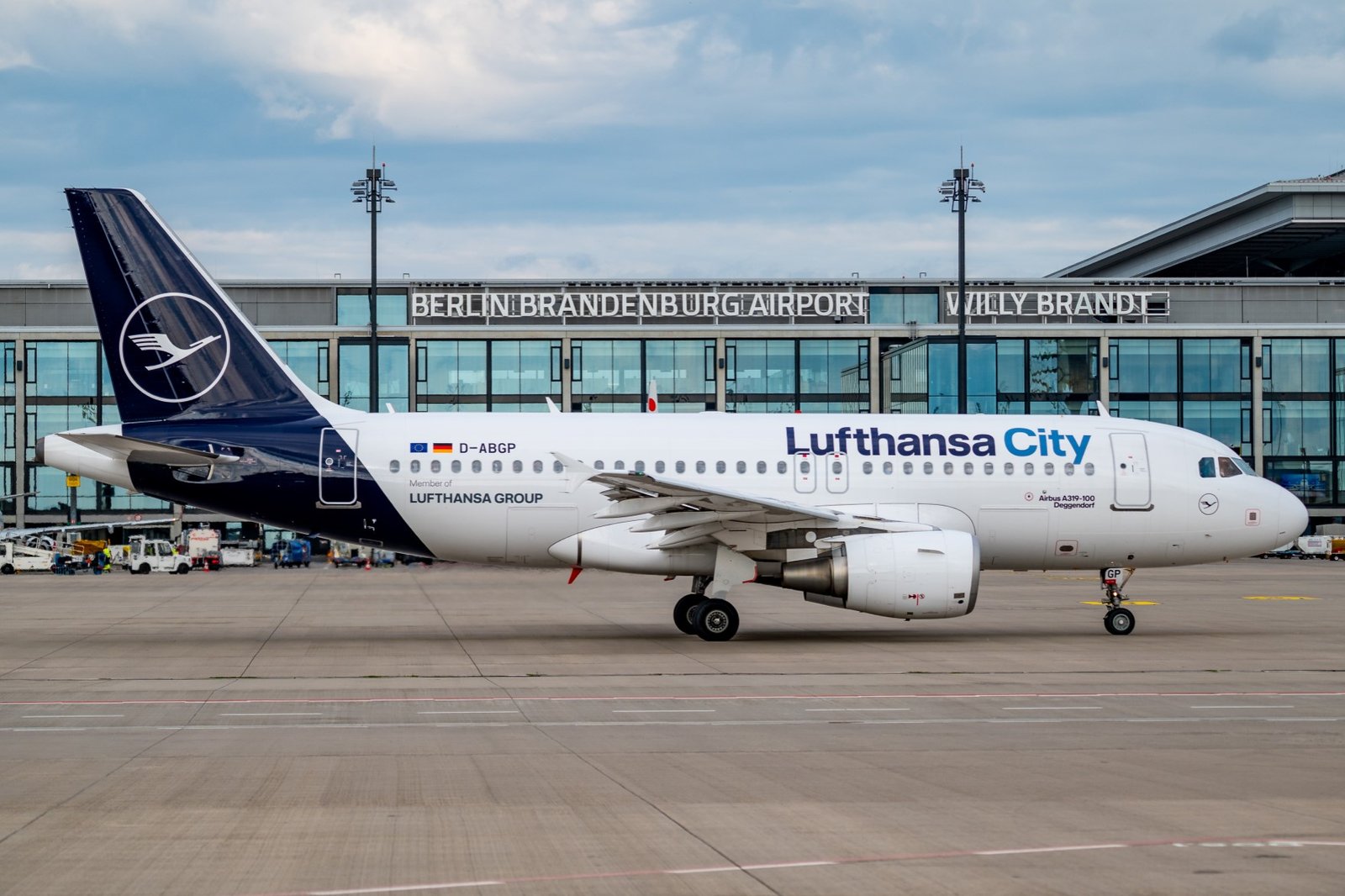
Berlin, Germany: Germany is moving to reverse last year’s aviation tax increase, a step that could make flying from the country more affordable and strengthen its position as a leading European air travel hub. The federal government is considering undoing the levy imposed in May 2024, which raised departure charges on short-haul flights from €12.48 to €15.53, alongside similar increases for medium – and long-haul flights.
If approved as part of the 2026 federal budget, the reversal is expected to come into effect ahead of the peak summer travel season, potentially lowering ticket prices for millions of passengers.
The 2024 hike was introduced as a fiscal measure to boost government revenue and encourage climate-friendly travel. However, it immediately drew criticism from airlines and tourism advocates who warned it undermined Germany’s competitiveness and pushed airlines to cut capacity or withdraw routes altogether.
Low-cost carriers such as Ryanair reduced services at several German airports, while tourism officials, including federal tourism coordinator Christoph Ploss, urged the government to reduce both aviation taxes and airport charges to restore confidence in the market.
Rolling back the increase faces significant fiscal and political challenges. The levy contributes approximately €500 million in additional annual revenue, and officials have yet to identify alternative sources to offset the shortfall. As per Reuters a senior government source recently noted that while the aviation sector requires relief, the reversal is “not currently a priority” amid tight public finances and rising defense spending commitments.
The debate is also complicated by environmental concerns, with critics warning that cheaper airfares could stimulate higher passenger volumes and increase emissions. In response, government sources have indicated that any tax reform may be paired with sustainability initiatives, including incentives for airlines to use sustainable aviation fuels and invest in cleaner fleets.
Despite these challenges, industry groups believe a tax rollback would provide immediate benefits, restoring passenger growth and route development that were disrupted by the 2024 hike. It could also help German airports compete more effectively with hubs in neighboring countries that have maintained or lowered their aviation levies.
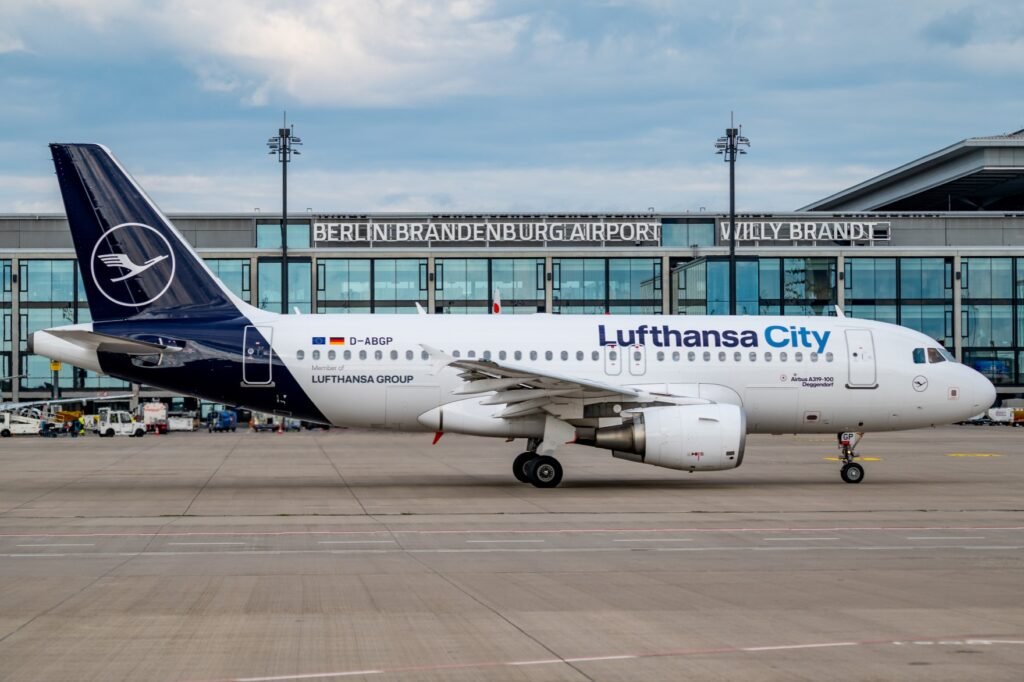
Major carriers such as Lufthansa and Eurowings, as well as low-cost operators, are closely watching the budget process, which will determine whether the rollback is implemented in full or in phases.
The Bundestag is expected to debate the proposal later this year as part of the 2026 budget negotiations. If passed, passengers could see cheaper tickets as early as 2026, a change likely to influence booking patterns and airline strategies for the coming years. The government faces the difficult task of balancing consumer benefits and industry competitiveness with environmental targets and fiscal stability, but the outcome of this reform could mark a significant shift in Germany’s aviation policy.