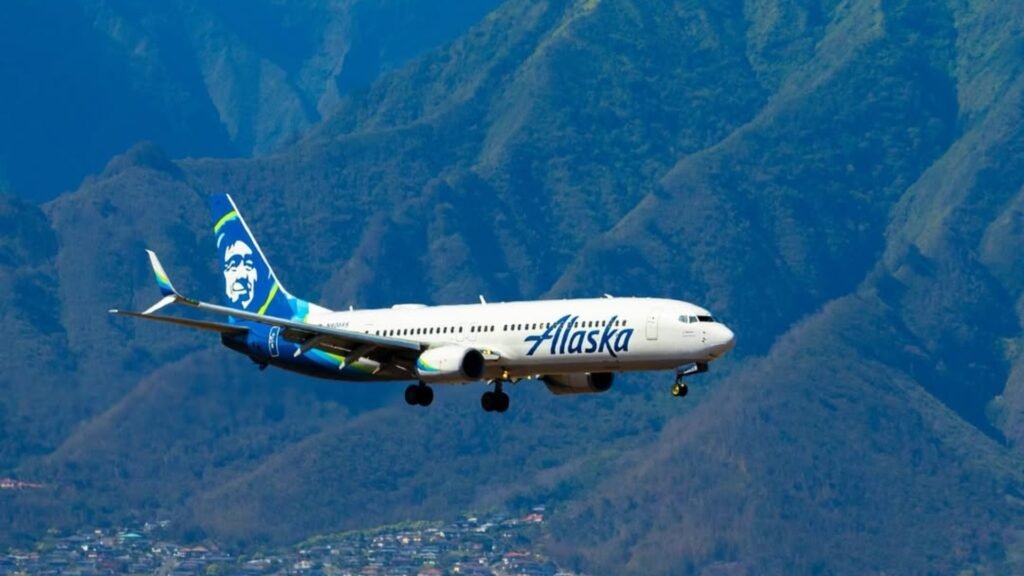
Washington, United States: The U.S. Federal Aviation Administration (FAA) has proposed a civil penalty of $165,000 against Alaska Airlines after alleging the carrier allowed intoxicated passengers to board multiple flights over a one-year period.
According to the FAA, the alleged violations occurred on 11 separate flights between February 2024 and February 2025. Federal aviation regulations prohibit airlines from permitting any individual who appears intoxicated to board an aircraft due to the potential safety and security risks posed during flight operations.
The agency announced the proposed enforcement action on May 26, stating that Alaska Airlines now has 30 days from receiving the FAA’s enforcement letter to respond to the allegations or contest the proposed penalty.
While the FAA did not disclose details regarding the specific flights, routes, airports, passengers, or onboard incidents involved, the regulator said the alleged cases were identified during a review of the airline’s policies and procedures concerning intoxicated passengers.
In response, Alaska Airlines said it fully cooperated with the FAA’s audit and has already implemented corrective measures aimed at strengthening compliance with federal safety expectations.
“We take seriously our responsibility to provide a safe and secure environment for our guests and employees,” the airline said in a statement. “Since the FAA shared these concerns with us over a year ago, we made meaningful changes to ensure compliance with the FAA’s expectations including enhanced training for all flight attendants and customer service agents.”
The airline added that it respects the outcome of the FAA’s audit and remains confident that the changes introduced over the past year have improved adherence to regulatory standards.
The proposed penalty marks the latest in a series of FAA enforcement actions involving airline compliance and safety oversight. Under FAA regulations, airlines are responsible for denying boarding to passengers who appear visibly intoxicated. Such rules are designed to reduce the risk of disruptive behavior, onboard disturbances, and potential threats to flight safety.