New Delhi, India: India’s aviation industry is bracing for a difficult FY2026, with ICRA estimating sector-wide losses to climb to Rs 95–105 billion, almost double the Rs 55 billion loss expected in FY2025. Softening passenger growth, upcoming fleet inductions and ongoing global and domestic disruptions are set to pressure financial performance. Even so, ICRA has maintained a stable outlook for the year, supported by steady travel demand, though influenced by cross-border tensions, accident-related caution and tariff-linked challenges on the commercial side.
Domestic passenger traffic in October 2025 reached 142.8 lakh, up 4.5% from October 2024 and 12.9% higher than September 2025. Capacity deployment grew 1.7% year-on-year to 99,816 departures, with passenger load factor rising to 84.7%, compared with 82.4% a year earlier.
For April–October 2025, domestic traffic stood at 944.5 lakh, a 1.6% year-on-year increase. ICRA expects full-year FY2026 domestic travel to grow 4–6%, reaching 172–176 million passengers.
International traffic carried by Indian airlines rose 5.8% year-on-year in September 2025, touching 28.3 lakh, though sequentially down by 5.7%. In H1 FY2026, international traffic reached 175.6 lakh, marking 9.1% growth. ICRA projects further expansion of 13–15% in FY2026.
Aviation turbine fuel (ATF) remains a key cost concern. ATF prices in November 2025 were 4.4% higher year-on-year and 0.8% higher month-on-month. FY2025 had seen average ATF prices fall to Rs 95,181 per KL, about 8% lower year-on-year, but recent months have reversed that relief.
Fuel constitutes 30–40% of airline operating expenses, while 35–50% of major costs are dollar-linked. The rupee’s depreciation in Q2 FY2026 led to notable forex losses for several carriers, though most remain unrealised.
Fleet shortages persist. Pratt & Whitney engine problems and broader supply-chain delays resulted in around 133 aircraft being grounded across various airlines by March 2025, representing 15–17% of total industry capacity.
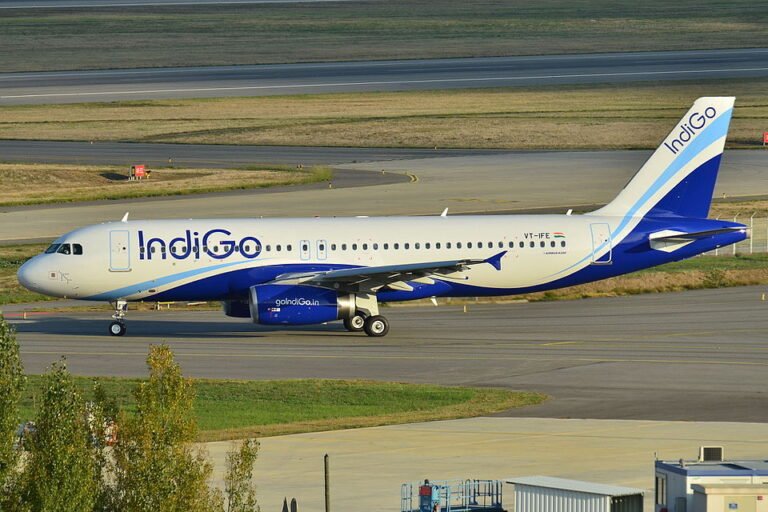
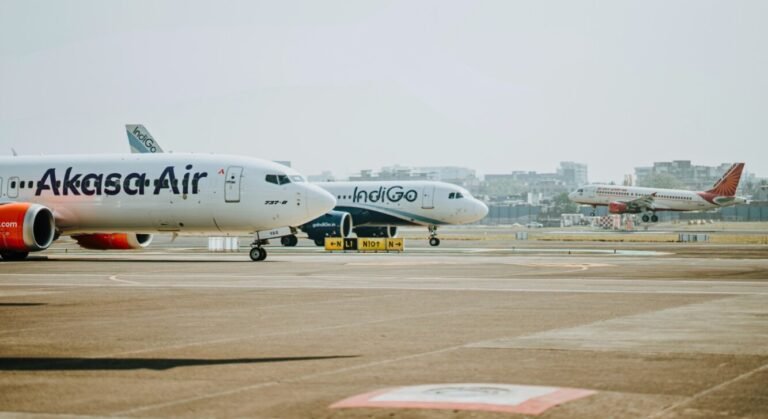
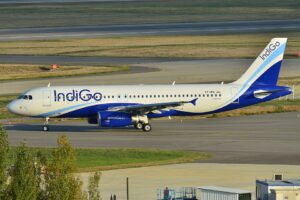
IndiGo had 70 aircraft grounded in March 2024 due to powder-metal contamination, which reduced to about 40 by September 2025. Go Airlines, hit by similar issues, eventually grounded half its fleet in FY2024 and suspended operations. These constraints have increased operating costs through replacement leases, poorer fuel efficiency and higher spot-rental rates.
Despite strong PLFs and firmer yields, profitability remains limited. The industry’s interest coverage ratio is expected to remain at 1.5–1.7 times for FY2026. Large carriers benefit from parent backing, while others continue to face liquidity stress and stretched balance sheets.
The DGCA has proposed new passenger-centric norms allowing customers to cancel or modify tickets within 48 hours of booking without charges, provided the travel date is beyond five days (domestic) or fifteen days (international). Refunds are to be processed within 21 working days.