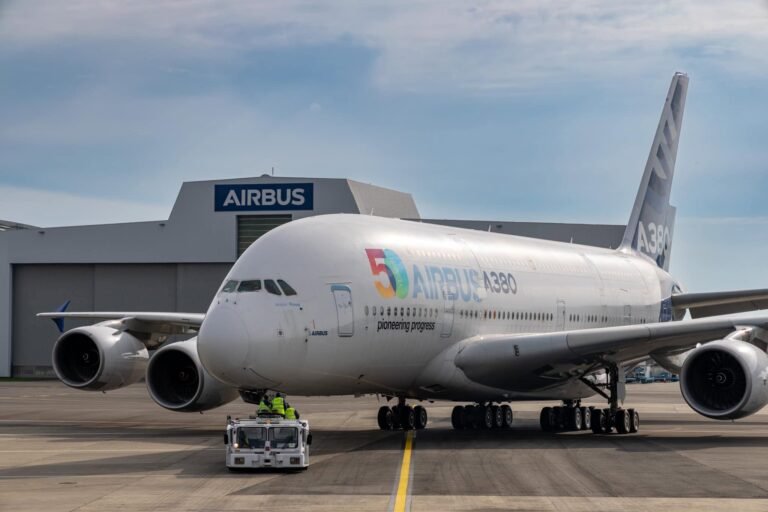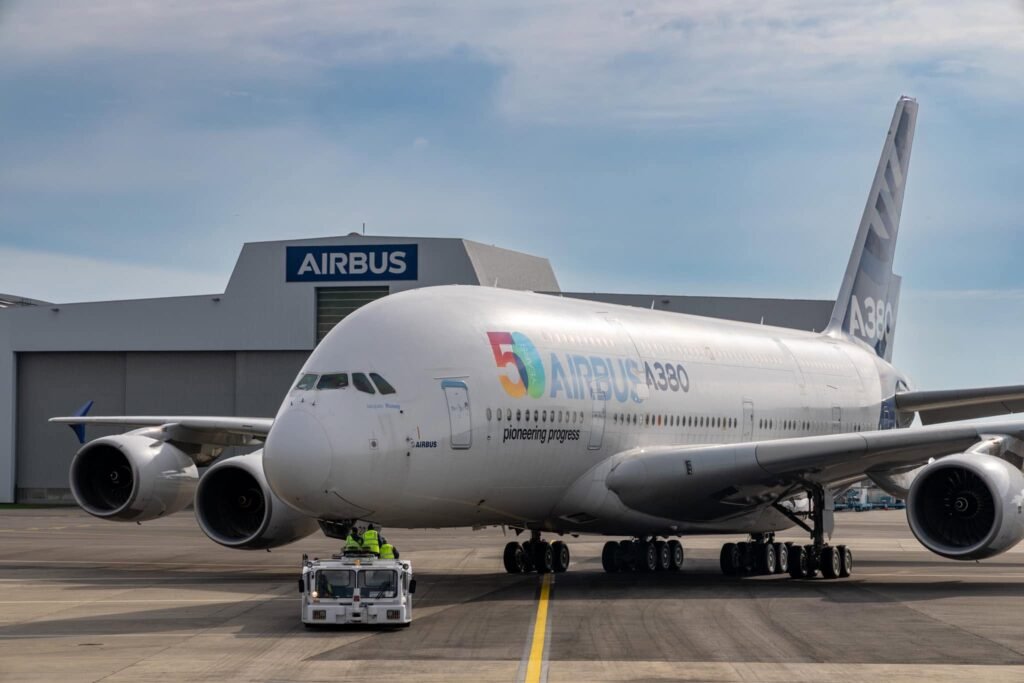
Washington, United States: US Trade Representative Jamieson Greer has warned the European Union that unresolved questions over a $3.4 billion European Investment Bank loan to Airbus could threaten the fragile US-EU agreement governing financing for large civil aircraft.
Greer’s warning centres on Washington’s demand for greater transparency over the EIB financing. The US says it has repeatedly sought details of the loan but has not received enough information to determine whether the financing complies with the commitment that support for large civil aircraft manufacturers must be provided on market terms. Greer considers the lack of information a risk to the wider transatlantic trade truce.
Greer said he had hoped “trade-distorting European subsidies to Airbus were a thing of the past” and argued that European support for Airbus had historically given the manufacturer an advantage over US aerospace companies. He said the US-EU arrangement was reached with the understanding that large civil aircraft financing would be provided on market terms.
The latest dispute follows the European Investment Bank’s €3 billion financing commitment to Airbus, which includes an initial €1 billion loan. The EIB has said the financing is intended to support Airbus’ long-term research and development and technological investments in France, Germany and Spain.
The EIB and Airbus reject the suggestion that the financing represents unusual government support. Airbus considers the loan standard corporate financing, while Airbus Chief Financial Officer Thomas Toepfer has said its terms were market-based. The EIB has likewise maintained that the financing carries interest and forms part of its normal lending activity.
The disagreement therefore centres on whether the financing meets the market-based and transparency requirements of the US-EU aircraft agreement. Washington has not, however, announced a new tariff against Airbus or formally declared the loan to be in violation of the agreement.
Greer’s warning raises the prospect of renewed pressure on the broader US-EU trade relationship if the financing issue remains unresolved. Airbus, meanwhile, has defended the financing as normal corporate funding and indicated that it is willing to provide additional information to governments.
For now, the immediate next step is greater scrutiny of the Airbus financing. Washington wants sufficient information to establish whether the EIB package complies with the aircraft-financing understanding, while the European side maintains that the loan is commercially based. Until that question is resolved, the financing has become a new point of tension in US-EU aerospace relations.
The dispute revives the long-running Airbus-Boeing subsidy conflict that was fought for years through the World Trade Organization. The US and EU reached a truce in 2021 that suspended retaliatory tariffs and established a framework for financing large civil aircraft. That arrangement was extended in 2026.
The current controversy began after the EIB committed its €3 billion Airbus financing package. Boeing subsequently raised concerns about transparency, while Airbus and the EIB maintained that the financing was provided on market terms. The issue has now escalated into a direct warning from the US Trade Representative that the unresolved questions surrounding the loan could put the aircraft-financing truce under pressure.