News
Civil Aviation
Pilot Training
Flight School Analysis
Aviation Jobs
Training
Services
About Us
Contact Us

Turkish Air Force F-16 Crashes In Balikesir After Losing Radar Contact, Pilot Killed

Picture of Aviation Today News Desk

Aviation Today News Desk

Turkish Air Force F-16 Crashes In Balikesir After Losing Radar Contact, Pilot Killed SEO DES: Shortly after takeoff, radio & radar contact was lost with the jet. Search teams were deployed & Wreckage was later found near the İzmir-Istanbul highway SOCIAL: A Turkish Air Force F-16 fighter jet crashed shortly after takeoff from the 9th Main Jet Base Command in Balikesir in the early hours of Wednesday, killing the pilot. Authorities lost radio and radar contact with the aircraft minutes after departure at 12:56 a.m., and search teams later located the wreckage near the İzmir-Istanbul highway in Karesi district. The Ministry of National Defence confirmed the pilot’s death and launched a formal crash investigation. The Balikesir Chief Public Prosecutor’s Office has also opened a judicial probe, with officials examining flight data, communications records and wreckage evidence. The cause of the crash has not yet been determined. Balikesir, Turkey: A Turkish Air Force F-16 fighter jet crashed in the early hours of Wednesday near the northwestern province of Balikesir, killing the pilot and prompting a formal investigation into the cause of the incident, officials confirmed. The jet, assigned to the 9th Main Jet Base Command, took off from Balikesir at 12:56 a.m. local time (2156 GMT on Tuesday). Shortly after departure, defence officials reported loss of radio communication and radar tracking with the aircraft. Search and rescue teams were dispatched immediately, and the wreckage was located later at the crash site. The Ministry of National Defence stated in an official message that the pilot was martyred in the crash, offering condolences to the family. The ministry added that the cause of the accident will be determined after a comprehensive investigation carried out by a dedicated crash examination team. Local authorities reported that debris from the aircraft was scattered over a wide area near the İzmir-Istanbul highway in Balikesir’s Karesi district, particularly around the Naipli locality. Emergency services, including security forces, fire brigades and medical personnel, were deployed to manage recovery efforts and secure the site. Portions of the highway were temporarily closed to civilian traffic during initial response operations. Justice Minister Akın Gürlek confirmed that the Balikesir Chief Public Prosecutor’s Office has opened a judicial investigation into the crash. Prosecutors, including the chief and deputy chief public prosecutors, were reported to be on site alongside technical investigators. The probe will examine all available evidence, including flight data, communications records, and wreckage analysis. Turkish authorities have not yet released details on potential causes for the crash, such as mechanical failure, environmental conditions or human factors. A full technical analysis by the crash investigation team is expected to take time, with further updates likely once preliminary findings are available. Balikesir Governor Ismail Ustaoğlu visited the crash scene and publicly extended condolences, reiterating that the pilot had been killed. Defence Minister Yaşar Güler, along with other senior government officials, issued tribute statements recognizing the sacrifice of the fallen pilot. Members of the Grand National Assembly also expressed condolences on social media and in statements to the press. The F-16 Fighting Falcon, manufactured by Lockheed Martin, is a mainstay of the Turkish Air Force and widely used for air defence, ground support and training missions. Military aviation accidents, while relatively rare, carry high operational and training risks due to complex flight profiles.
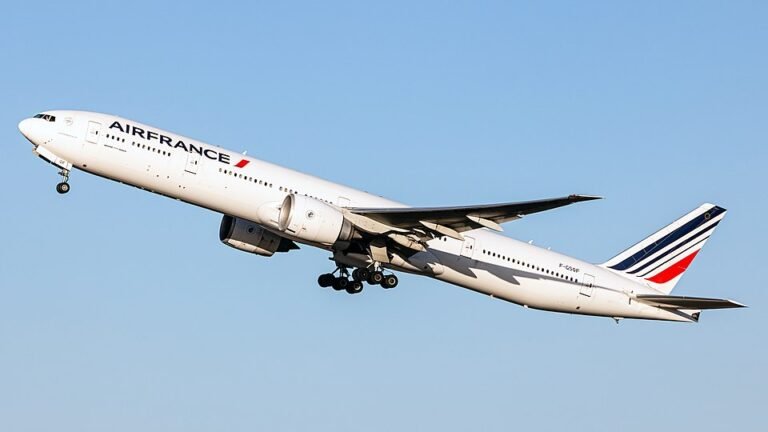
Image: Turkish Ministry Of Defence

Balikesir, Turkey: A Turkish Air Force F-16 fighter jet crashed in the early hours of Wednesday near the northwestern province of Balikesir, killing the pilot and prompting a formal investigation into the cause of the incident, officials confirmed.

The jet, assigned to the 9th Main Jet Base Command, took off from Balikesir at 12:56 a.m. local time (2156 GMT on Tuesday). Shortly after departure, defence officials reported loss of radio communication and radar tracking with the aircraft. Search and rescue teams were dispatched immediately, and the wreckage was located later at the crash site.

The Ministry of National Defence stated in an official message that the pilot was martyred in the crash, offering condolences to the family. The ministry added that the cause of the accident will be determined after a comprehensive investigation carried out by a dedicated crash examination team.

Local authorities reported that debris from the aircraft was scattered over a wide area near the İzmir-Istanbul highway in Balikesir’s Karesi district, particularly around the Naipli locality. Emergency services, including security forces, fire brigades and medical personnel, were deployed to manage recovery efforts and secure the site. Portions of the highway were temporarily closed to civilian traffic during initial response operations.

Justice Minister Akın Gürlek confirmed that the Balikesir Chief Public Prosecutor’s Office has opened a judicial investigation into the crash. Prosecutors, including the chief and deputy chief public prosecutors, were reported to be on site alongside technical investigators. The probe will examine all available evidence, including flight data, communications records, and wreckage analysis.

Turkish authorities have not yet released details on potential causes for the crash, such as mechanical failure, environmental conditions or human factors. A full technical analysis by the crash investigation team is expected to take time, with further updates likely once preliminary findings are available.

Balikesir Governor Ismail Ustaoğlu visited the crash scene and publicly extended condolences, reiterating that the pilot had been killed. Defence Minister Yaşar Güler, along with other senior government officials, issued tribute statements recognizing the sacrifice of the fallen pilot. Members of the Grand National Assembly also expressed condolences on social media and in statements to the press.

The F-16 Fighting Falcon, manufactured by Lockheed Martin, is a mainstay of the Turkish Air Force and widely used for air defence, ground support and training missions. Military aviation accidents, while relatively rare, carry high operational and training risks due to complex flight profiles.

Leave a Comment

Subscribe to our Newsletter

Recent News

error: Unauthorized copying is not permitted