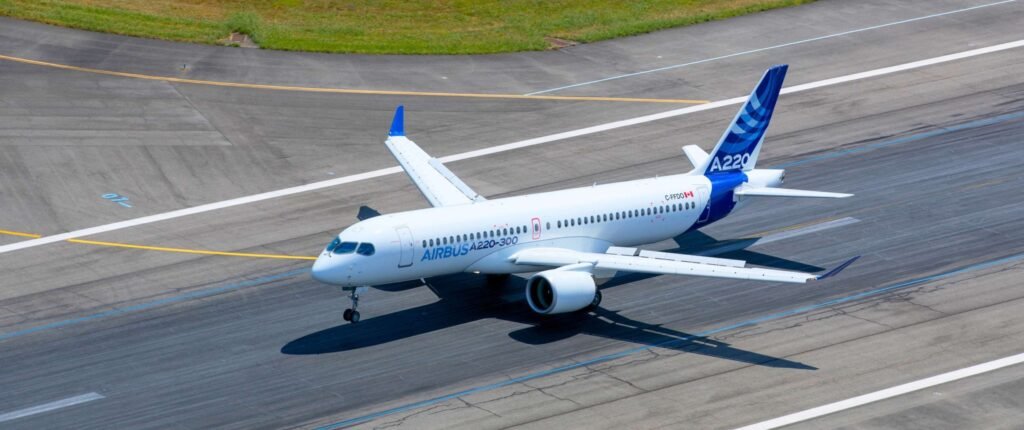
Picture Credits: Airbus
Toulouse, France: Airbus has significantly revised its long-term aircraft demand outlook projecting a global need for 43,420 new aircraft, both passenger and cargo between 2025 and 2044. This fresh forecast, released just ahead of the 2025 Paris Air Show signals strong confidence in the aviation industry’s resilience and the growing global demand for air travel, even amid lingering supply chain challenges and geopolitical uncertainties.
Of the total projected deliveries, approximately 39,500 will be passenger aircraft, and 3,920 will be freighters, with 920 of those being newly built cargo aircraft. The rest will come from conversions of existing passenger jets into freighters, a trend driven by the ongoing surge in e-commerce and express delivery demand worldwide.
According to Airbus, 80% of all new aircraft will be single-aisle jets such as the A320 family. These aircraft are in high demand across fast-growing domestic and regional aviation markets, especially in countries like India, Indonesia, China, Vietnam, and the Philippines where more people are flying than ever before. These markets are witnessing rapid population growth, an expanding middle class, and improved airport infrastructure, creating conditions ripe for aviation growth.
The remaining 20% of aircraft will be wide-body aircraft, which are typically used for long-haul international flights. Demand for these aircraft is expected to come from countries with large international hubs such as the United Arab Emirates, Saudi Arabia, Qatar, Singapore, the United States, Germany, and France. These nations play key roles in global connectivity, acting as transfer points between continents and regions.
China is set to dominate the demand, with Airbus projecting the country will need over 9,000 new aircraft by 2044, more than 20% of the global total. This makes China the single largest aviation market outside the U.S., with growth driven by a mix of expanding domestic travel, regional connections, and increasing international operations.
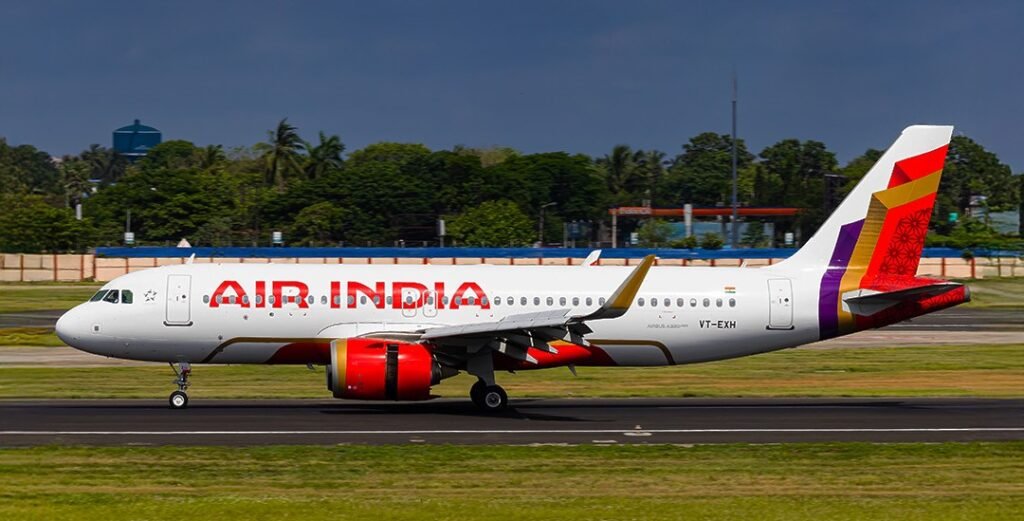
Picture Credits: Air India
India, already among the world’s fastest-growing aviation markets, is expected to require more than 2,500 new aircraft over the same period. The Indian government’s push to improve regional connectivity through the UDAN scheme, combined with a young population and rapid urbanization, continues to fuel the country’s aviation boom.
The Middle East, with ambitious aviation projects like Saudi Arabia’s NEOM airport, UAE’s Al Maktoum International Airport, and Qatar’s long-term expansion plans, will remain a key region for wide-body orders. Saudi Arabia, the UAE, and Qatar are actively investing in new-generation aircraft to support their growing fleets and airline ambitions.
In Africa, while demand is smaller in absolute terms, the continent is expected to double its fleet size. Countries like Kenya, Nigeria, Ethiopia, and South Africa are projected to see strong growth, especially in intra-African connectivity, which has been historically underserved.
Airbus estimates that the global passenger traffic will grow by 3.6% annually over the next 20 years. This growth is consistent across emerging and developed markets and is driven by a mix of population growth, tourism recovery, business travel, and international trade.
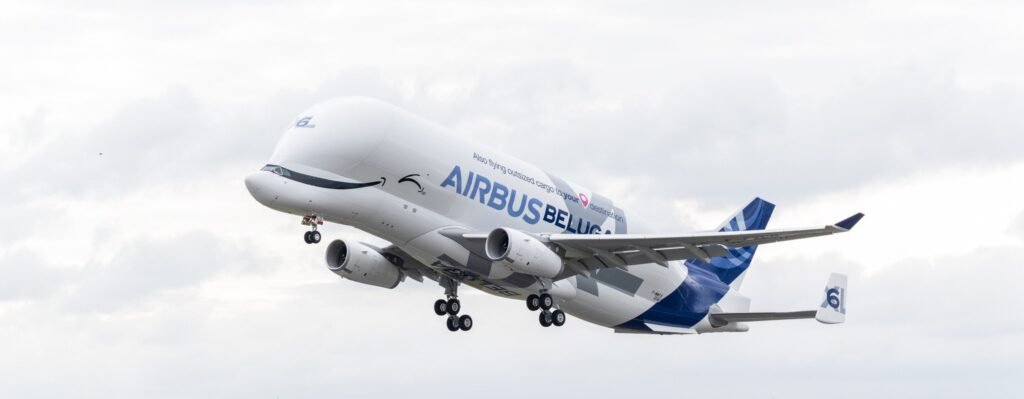
Picture Credits: Airbus
At the same time, the total number of aircraft in service worldwide is expected to rise from 24,240 aircraft in 2024 to around 48,230 by 2044. By then, nearly 95% of the global fleet will be comprised of new-generation aircraft, underlining the shift toward more fuel-efficient, quieter, and lower-emission designs.
Despite ongoing bottlenecks in engine deliveries, avionics, and cabin interiors, Airbus remains committed to delivering 820 aircraft in 2025. While production has been affected in the short term, the long-term outlook remains optimistic. The company continues to ramp up output, particularly for its A320neo family, which remains a global bestseller.
The new forecast from Airbus underscores a global aviation industry that is not only recovering but preparing for its next era of expansion, one that is greener, more connected, and more geographically diverse than ever before. With countries across Asia, the Middle East, Africa, and Latin America contributing significantly to future fleet growth, the next two decades could see air travel become even more accessible and essential to economies worldwide.
Stay ahead in aviation! Subscribe to Aviation Today for news that matters.

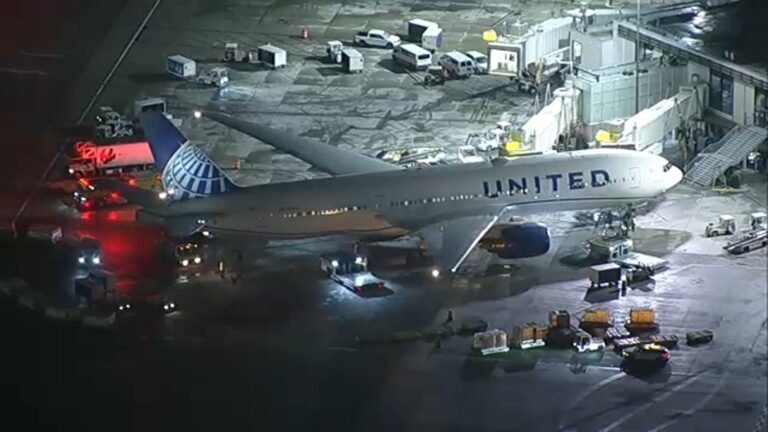

![Washington, United States: A United Airlines flight bound for Guatemala City made an emergency diversion to Washington Dulles International Airport after a passenger allegedly attempted to open a cabin door at cruising altitude and assaulted another traveler, according to air traffic control communications and federal authorities. The incident involved United Airlines Flight 1551, operated by a Boeing 737 MAX 8, which departed from Newark Liberty International Airport on Thursday evening carrying 145 passengers and six crew members. The aircraft had been en route to Guatemala City when the crew declared an emergency and diverted to Washington Dulles International Airport in Virginia. According to audio between the flight crew and air traffic controllers, the pilot informed controllers that the disruptive passenger attempted to open Door 2L while the aircraft was cruising at approximately 36,000 feet. The pilot also reported that the passenger later assaulted another individual onboard. During the exchange, the tower asked the crew which door the passenger had attempted to access. The pilot responded: “Door 2L at 36,000 feet and then [the passenger] assaulted a fellow passenger.” When controllers asked whether there were any injuries onboard, the pilot replied: “Not to our knowledge.” The aircraft landed safely at Washington Dulles at approximately 8:38 p.m. local time. Law enforcement and emergency personnel met the aircraft upon arrival. The FBI later confirmed that agents responded to the incident at the airport, although the agency did not immediately release additional details regarding the passenger’s identity, possible charges, or whether the individual was taken into federal custody. Flight tracking data showed the aircraft remained airborne for a period before diverting toward the Washington region instead of continuing south toward Guatemala. The diversion temporarily disrupted the scheduled international service but no injuries among passengers or crew were officially reported. United Airlines had not issued a detailed public statement at the time of publication regarding the circumstances surrounding the diversion or the status of the passenger involved. Federal authorities are expected to review crew reports, passenger statements, and onboard evidence as part of the investigation.](https://aviationtoday.in/wp-content/uploads/2026/05/AVIATION-TODAY-UNITEDV-AIRLINES-RUDE-PASSENGER-768x432.jpg)


![Washington, United States: A United Airlines flight bound for Guatemala City made an emergency diversion to Washington Dulles International Airport after a passenger allegedly attempted to open a cabin door at cruising altitude and assaulted another traveler, according to air traffic control communications and federal authorities. The incident involved United Airlines Flight 1551, operated by a Boeing 737 MAX 8, which departed from Newark Liberty International Airport on Thursday evening carrying 145 passengers and six crew members. The aircraft had been en route to Guatemala City when the crew declared an emergency and diverted to Washington Dulles International Airport in Virginia. According to audio between the flight crew and air traffic controllers, the pilot informed controllers that the disruptive passenger attempted to open Door 2L while the aircraft was cruising at approximately 36,000 feet. The pilot also reported that the passenger later assaulted another individual onboard. During the exchange, the tower asked the crew which door the passenger had attempted to access. The pilot responded: “Door 2L at 36,000 feet and then [the passenger] assaulted a fellow passenger.” When controllers asked whether there were any injuries onboard, the pilot replied: “Not to our knowledge.” The aircraft landed safely at Washington Dulles at approximately 8:38 p.m. local time. Law enforcement and emergency personnel met the aircraft upon arrival. The FBI later confirmed that agents responded to the incident at the airport, although the agency did not immediately release additional details regarding the passenger’s identity, possible charges, or whether the individual was taken into federal custody. Flight tracking data showed the aircraft remained airborne for a period before diverting toward the Washington region instead of continuing south toward Guatemala. The diversion temporarily disrupted the scheduled international service but no injuries among passengers or crew were officially reported. United Airlines had not issued a detailed public statement at the time of publication regarding the circumstances surrounding the diversion or the status of the passenger involved. Federal authorities are expected to review crew reports, passenger statements, and onboard evidence as part of the investigation.](https://aviationtoday.in/wp-content/uploads/2026/05/AVIATION-TODAY-UNITEDV-AIRLINES-RUDE-PASSENGER-300x169.jpg)