News
Civil Aviation
Pilot Training
Flight School Analysis
Aviation Jobs
Training
Services
About Us
Contact Us

Nigeria Ranked Among World’s Most Expensive Countries For Airline Operations, Says IATA

Picture of Aviation Today News Desk

Aviation Today News Desk

Nigeria Ranked Among World’s Most Expensive Countries For Airline Operations, Says IATA SEO DES: Al-Awadhi urged ECOWAS nations to cut aviation taxes & fees by 25%, saying lower charges would boost travel demand, connectivity & airline competitiveness SOCIAL: The International Air Transport Association (IATA) has identified Nigeria as one of the world's most expensive countries for airline operations, citing high taxes, regulatory charges and operating costs. Speaking at the 82nd IATA AGM in Rio de Janeiro, IATA's Regional Vice President for Africa and the Middle East, Kamil Al-Awadhi, said the cost burden continues to challenge airline profitability and growth. Al-Awadhi acknowledged ongoing aviation reforms by Nigeria's government but stressed that excessive charges remain a major obstacle. He urged ECOWAS member states to reduce aviation taxes and fees by 25%, arguing that lower costs would stimulate passenger demand, improve connectivity and strengthen airline competitiveness across West Africa. United Nigeria Airlines Chairman Prof. Obiora Okonkwo said Nigeria's aviation sector faces significantly higher taxes than neighboring countries, contributing to elevated airfares. He noted that a Lagos–Accra return ticket includes about $116 in taxes and charges, and called for streamlined aviation levies to support industry growth and affordability. Rio De Janeiro, Brazil: The International Air Transport Association (IATA) has identified Nigeria as one of the most expensive countries in the world in which to operate an airline, citing high operating costs, multiple taxes and regulatory charges that continue to weigh on carriers and limit industry growth. Speaking during the 82nd IATA Annual General Meeting (AGM) and World Air Transport Summit in Rio de Janeiro, IATA Regional Vice President for Africa and the Middle East, Kamil Al-Awadhi, said airlines operating in Nigeria continue to face severe cost pressures despite ongoing efforts by the Federal Government to improve the aviation sector. Al-Awadhi acknowledged reforms being pursued by Nigeria's Minister of Aviation and Aerospace Development, Festus Keyamo, but noted that operating conditions remain challenging for domestic carriers. According to him, the high-cost environment makes it difficult for Nigerian airlines to remain competitive and profitable, limiting the industry's ability to achieve its full potential. He attributed the situation largely to excessive taxes, charges and other operational expenses imposed on airlines. The IATA executive said Nigeria remains one of the most challenging aviation markets from a cost perspective and urged member states of the Economic Community of West African States (ECOWAS) to adopt a proposed 25 per cent reduction in aviation taxes and charges. He argued that lowering aviation-related levies would reduce the cost of air travel, stimulate passenger demand, improve regional connectivity and strengthen the competitiveness of airlines operating across West Africa. The latest comments add to growing concerns among aviation stakeholders over the cost structure facing airlines in Nigeria, where operators have repeatedly complained about multiple taxation and rising operating expenses. Industry leaders have long maintained that regulatory charges, airport fees, fuel costs and other levies continue to push ticket prices higher, reducing affordability for passengers and constraining growth in the sector. Adding to the debate, Chairman of United Nigeria Airlines, Prof. Obiora Okonkwo, recently described Nigeria as one of Africa's most heavily taxed aviation jurisdictions. Okonkwo said airlines operating in Nigeria face significantly higher tax burdens than competitors in neighbouring countries, resulting in elevated airfares and reduced competitiveness within the West African market. According to him, passenger taxes at Nigerian airports are substantially higher than those charged in countries such as Ghana. He noted that while passenger taxes in Ghana are approximately $60, similar charges in Nigeria can reach about $100. The airline executive further revealed that a return ticket between Lagos and Accra carries roughly $116 in taxes and charges before the actual airfare component is added. He warned that the accumulation of numerous taxes and deductions on airline tickets continues to inflate travel costs and suppress economic activity. Okonkwo called on the government to streamline aviation-related levies through a single-window approach to aviation finance, arguing that lower charges would support passenger mobility, trade and economic expansion. The latest concerns come amid broader discussions within the global airline industry over rising operating costs. During the Rio summit, airline executives also debated the impact of increasing fuel prices, supply chain disruptions, aircraft delivery delays and mounting economic pressures affecting carriers worldwide. IATA has previously raised concerns about the level of aviation taxes and charges in several African markets. Earlier this year, the association again identified Nigeria among countries where aviation charges exceed global averages, warning that high costs ultimately affect both airlines and passengers. As governments across Africa seek to boost tourism, trade and investment, aviation stakeholders maintain that creating a more cost-efficient operating environment will be critical to unlocking the sector's long-term growth potential.
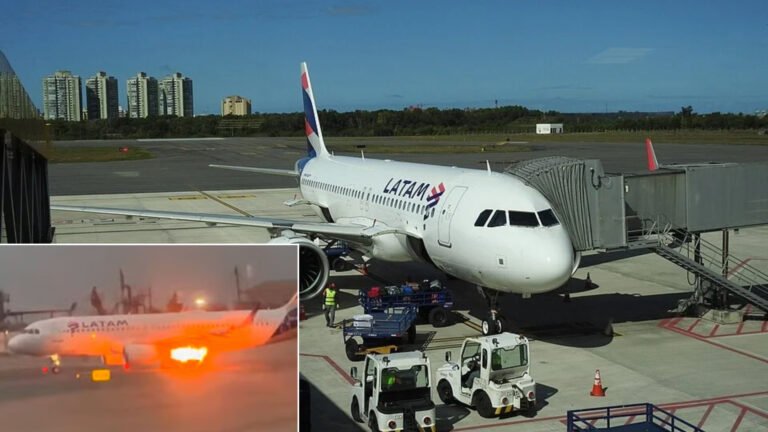
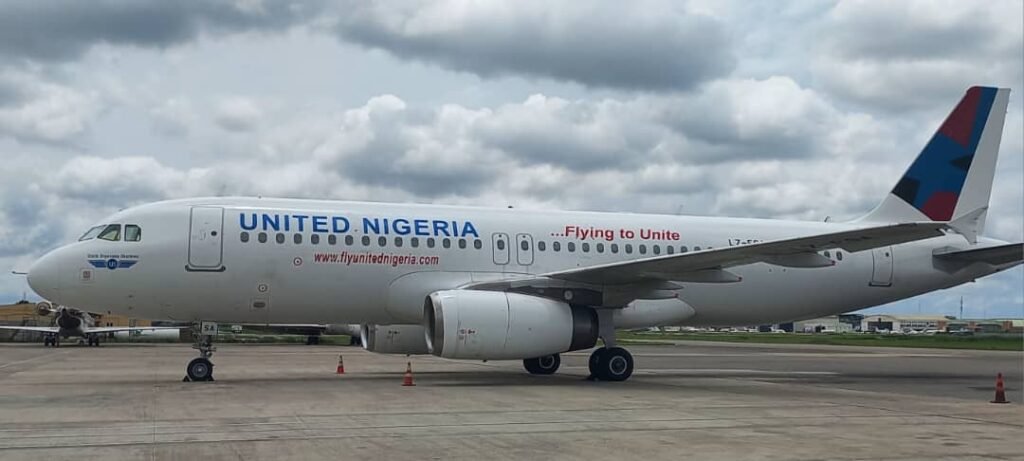
Image: United Nigeria Airline

Rio De Janeiro, Brazil: The International Air Transport Association (IATA) has identified Nigeria as one of the most expensive countries in the world in which to operate an airline, citing high operating costs, multiple taxes and regulatory charges that continue to weigh on carriers and limit industry growth.

Speaking during the 82nd IATA Annual General Meeting (AGM) and World Air Transport Summit in Rio de Janeiro, IATA Regional Vice President for Africa and the Middle East, Kamil Al-Awadhi, said airlines operating in Nigeria continue to face severe cost pressures despite ongoing efforts by the Federal Government to improve the aviation sector.

Al-Awadhi acknowledged reforms being pursued by Nigeria’s Minister of Aviation and Aerospace Development, Festus Keyamo, but noted that operating conditions remain challenging for domestic carriers.

According to him, the high-cost environment makes it difficult for Nigerian airlines to remain competitive and profitable, limiting the industry’s ability to achieve its full potential. He attributed the situation largely to excessive taxes, charges and other operational expenses imposed on airlines.

The IATA executive said Nigeria remains one of the most challenging aviation markets from a cost perspective and urged member states of the Economic Community of West African States (ECOWAS) to adopt a proposed 25 per cent reduction in aviation taxes and charges.

He argued that lowering aviation-related levies would reduce the cost of air travel, stimulate passenger demand, improve regional connectivity and strengthen the competitiveness of airlines operating across West Africa.

The latest comments add to growing concerns among aviation stakeholders over the cost structure facing airlines in Nigeria, where operators have repeatedly complained about multiple taxation and rising operating expenses.

Industry leaders have long maintained that regulatory charges, airport fees, fuel costs and other levies continue to push ticket prices higher, reducing affordability for passengers and constraining growth in the sector.

Adding to the debate, Chairman of United Nigeria Airlines, Prof. Obiora Okonkwo, recently described Nigeria as one of Africa’s most heavily taxed aviation jurisdictions.

Okonkwo said airlines operating in Nigeria face significantly higher tax burdens than competitors in neighbouring countries, resulting in elevated airfares and reduced competitiveness within the West African market.

According to him, passenger taxes at Nigerian airports are substantially higher than those charged in countries such as Ghana. He noted that while passenger taxes in Ghana are approximately $60, similar charges in Nigeria can reach about $100.

The airline executive further revealed that a return ticket between Lagos and Accra carries roughly $116 in taxes and charges before the actual airfare component is added.

He warned that the accumulation of numerous taxes and deductions on airline tickets continues to inflate travel costs and suppress economic activity.

Okonkwo called on the government to streamline aviation-related levies through a single-window approach to aviation finance, arguing that lower charges would support passenger mobility, trade and economic expansion.

The latest concerns come amid broader discussions within the global airline industry over rising operating costs. During the Rio summit, airline executives also debated the impact of increasing fuel prices, supply chain disruptions, aircraft delivery delays and mounting economic pressures affecting carriers worldwide.

IATA has previously raised concerns about the level of aviation taxes and charges in several African markets. Earlier this year, the association again identified Nigeria among countries where aviation charges exceed global averages, warning that high costs ultimately affect both airlines and passengers.

As governments across Africa seek to boost tourism, trade and investment, aviation stakeholders maintain that creating a more cost-efficient operating environment will be critical to unlocking the sector’s long-term growth potential.
Leave a Comment

Subscribe to our Newsletter

Recent News