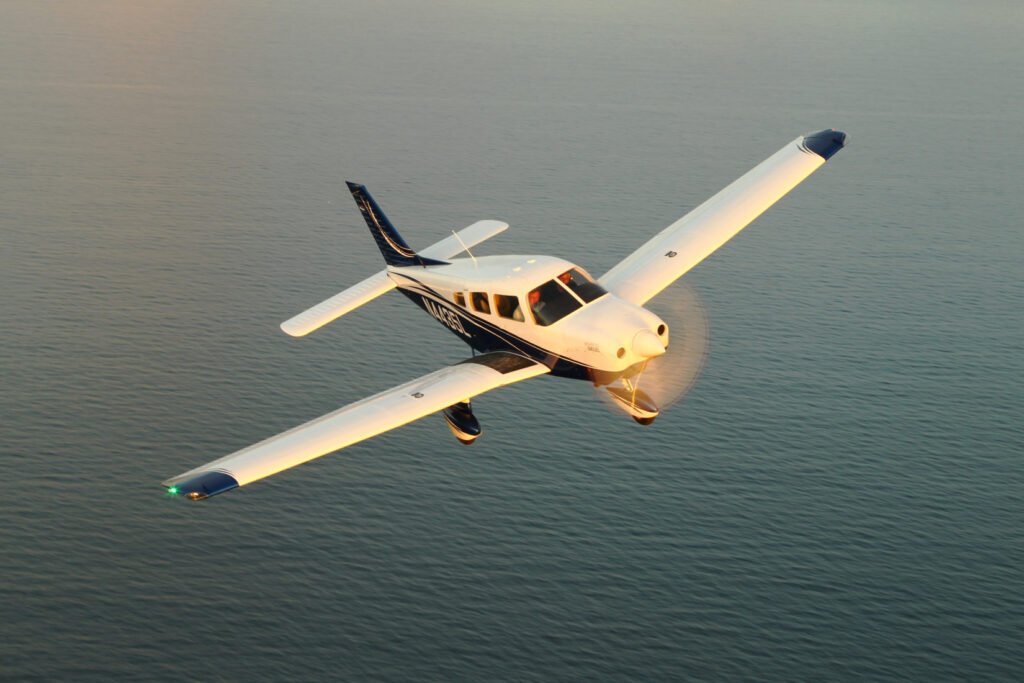
Picture credits: Piper
Florida: Piper Aircraft reported a strong finish to 2024, delivering 291 aircraft—a nearly 20% increase from 2023, with 46 more aircraft delivered year-over-year—marking its highest delivery count since 2001.
A key contributor was the M700 FURY, Piper’s new 300-knot flagship aircraft launched in March 2024, with 46 units delivered in its first year. Demand for the diesel-powered Archer DX also fueled growth. US domestic deliveries totaled 217 aircraft, up 7% from 2023, while international deliveries surged 76% to 74 aircraft, highlighting Piper’s expanding global presence.
“Our continued growth, both domestically and internationally, is a testament to the strength of our product lineup and the trust our customers place in Piper,” said John Calcagno, President and CEO of Piper Aircraft, Inc. “With the successful introduction of the M700 FURY and tremendous growth in Archer DX trainer sales, 2024 was a milestone year with the highest delivery count in well over two decades.”
Meanwhile, the Federal Aviation Administration (FAA) has issued a final airworthiness directiv(AD), effective March 20, 2025, requiring the replacement of rudders on approximately 31,000 vintage Piper aircraft due to fatigue and corrosion in 1025 carbon steel rudder posts. Operators must replace them with 4130N low-alloy steel rudders. The directive affects models from J-series Cubs to PA-22 Tri-Pacers and follows two non-fatal accidents in Anchorage, Alaska, in 2020 and 2022.
The FAA said “Many of the 31,000 airplanes are not currently in service. There are an estimated 13,000 active airplanes in the U.S. fleet, and the FAA estimates that approximately half of those airplanes already have rudder assemblies with 4130N low-alloy steel installed. This reduces the number of rudders needed to approximately 6,500”
Despite opposition from aviation groups like AOPA, the FAA upheld the directive. The Short Wing Piper Club expressed disappointment but is pursuing an Alternative Method of Compliance (AMOC) to make the AD more affordable for owners.
The FAA has outlined compliance times for replacing rudder posts based on aircraft categories. Category I airplanes, with both a rudder post mounted beacon light and a 150+ hp engine, must comply within 2 years. Category II airplanes, with either of the two features, have 3 years. Category III planes, with an engine between 100-150 hp, must comply within 5 years, while Category IV planes, with engines below 100 hp, must do so within 10 years.
Follow Aviation Today for more such news!