News
Civil Aviation
Pilot Training
Flight School Analysis
Aviation Jobs
Training
Services
About Us
Contact Us

NTSB Links Improper Flap Maintenance To Fatal 2024 Kamaka Air Crash In Honolulu

Picture of Aviation Today News Desk

Aviation Today News Desk

Hawaii, United States: The US National Transportation Safety Board (NTSB) has determined that improper maintenance of the flap system caused the fatal Kamaka Air crash near Honolulu on December 17, 2024, killing both pilots aboard a Cessna 208B. The aircraft's left flap interconnect rod fractured during the initial climb, resulting in asymmetric flap positions and an uncontrollable left roll. The NTSB also identified deficiencies in the operator's maintenance procedures, recordkeeping, mechanic training and supervision. The NTSB published its 20-page Aviation Investigation Final Report on November 20, 2026, identifying the failure of the left flap interconnect rod, caused by improper maintenance-related preload, as the probable cause of the accident. According to the final report, the aircraft, registered N689KA, was operated by Kamaka Air on an instructional flight under Part 91. It departed Daniel K. Inouye International Airport in Honolulu, bound for Lanai Airport, on December 17, 2024. The flight instructor occupied the left seat, while a pilot receiving instruction occupied the right seat. Shortly after takeoff from Runway 4L, the aircraft began turning left instead of following the instructed departure path. When the Honolulu tower controller questioned the unexpected turn, the flight instructor responded that the aircraft was out of control. The aircraft reached approximately 350 feet above ground level before its left turn steepened and it descended into an abandoned building in an industrial area north of the airport. The aircraft was destroyed in the subsequent impact and post-crash fire, killing both pilots. The NTSB's examination identified a failure in the flap system's left interconnect rod assembly, which connected two inboard flap bellcranks. Investigators found that the rod had been bent under compression before subsequently fracturing under tension. The failure allowed the left flap to become disconnected from the system and move to a lower angle, producing an asymmetric flap condition. A video study determined that, immediately before impact, the right flap was extended approximately 15 degrees more than the left flap. Investigators also identified worn and fractured cable strands on both the left and right flap cables. The damage was consistent with the cables rubbing against structural cutouts in the wings, indicating improper cable tension or preload within the flap system. The report explained that such preload could result from a misrigged flap system. The NTSB concluded that the left interconnect rod's failure caused the asymmetric flap condition and an uncommanded left roll at an altitude insufficient for recovery. The investigation examined the aircraft's maintenance history, particularly work carried out on its flap system before the accident. On June 25, 2024, the aircraft underwent a scheduled inspection that included a flap-system functional check. The maintenance records showed that the inspection had been signed off, but did not retain detailed findings, including flap cable tension measurements. On October 4, 2024, approximately 10 weeks and 240 operating hours before the crash, the aircraft experienced a flap malfunction after landing at Molokai Airport. A mechanic replaced its primary flap motor following a report that the flaps had failed to retract. However, the NTSB found that the aircraft maintenance manual did not contain a procedure for replacing only the primary flap motor. The documented procedure addressed replacement of the complete flap actuator assembly, which would require the flap system to be rigged. Although the maintenance records indicated that a flap-system functional check had been completed following the work, investigators considered it unlikely that all prescribed procedures had been performed. The mechanic reportedly completed the replacement in approximately an hour, at night and away from the operator's maintenance base. The NTSB could not establish whether the flap system had been misrigged during this October maintenance event or at an earlier stage. However, investigators concluded that properly completing the required functional checks would likely have identified and corrected improper cable tension, whether it existed beforehand or was introduced during the motor replacement. The examination also found that the left flap interconnect rod's bending and subsequent fracture were consistent with prolonged stress associated with improper preload. The investigation extended beyond the accident aircraft and examined Kamaka Air's maintenance practices across its Cessna 208 fleet. A review of maintenance records covering 2013 to 2024 found repeated instances of primary flap motor replacements without sufficient descriptions of the work performed or confirmation that the applicable functional checks and rigging procedures had been completed. Interviews with maintenance personnel revealed that the company did not provide formal training for its mechanics. Personnel generally learned through on-the-job training and by shadowing other mechanics. The NTSB also identified incomplete maintenance records, inadequate understanding and compliance with the aircraft maintenance manual, and weaknesses in the operator's FAA-approved maintenance programme. Investigators found evidence of flap-system preload in several aircraft, including during scheduled maintenance before the accident. Post-accident checks also identified out-of-tolerance flap cable tension in four of the six remaining Cessna 208 series aircraft examined by the operator. The NTSB considered these findings indicative of systemic deficiencies in mechanic training and supervision rather than an isolated maintenance error. The report further noted that one of the operator's two tensiometers, used to measure cable tension, had been out of calibration between September 9 and October 6, 2024. The investigation also reviewed the Federal Aviation Administration's oversight of Kamaka Air. FAA records showed turnover in several key management positions at the operator and among the FAA personnel responsible for its oversight during the three years preceding the accident. Approximately two to three months before the crash, FAA personnel had identified deficiencies in the operator's maintenance recordkeeping and were working with the company to address them. Those corrective efforts were still ongoing when the accident occurred. Following the crash, Kamaka Air inspected flap travel and cable tension across its remaining Cessna 208 fleet and corrected identified discrepancies. In July 2025, the Honolulu Flight Standards District Office requested a Certificate Holder Evaluation Program inspection of the operator. The inspection identified significant non-compliance with maintenance recordkeeping requirements and highlighted safety-management concerns. The NTSB reported that, as of June 2026, some corrective actions had been completed while others remained ongoing. In its final probable-cause determination, the NTSB attributed the accident to the in-flight failure of the flap system's left interconnect rod due to preload from improper maintenance. The resulting asymmetric flap condition caused an uncommanded left roll at an altitude insufficient for recovery. The operator's failure to follow its FAA-approved maintenance programme, along with inadequate training and supervision of its mechanics, were identified as contributing factors. The NTSB also referenced earlier flap-system failures involving Cessna 208 series aircraft. In 2016, a Cessna 208 in New Zealand experienced a flap interconnect rod failure attributed to a misrigged flap system. The aircraft had accumulated just 60.8 flight hours before the failure. Investigators noted similarities between the fracture features of that aircraft's right interconnect rod and the failed rod recovered from the Kamaka Air aircraft. The report also cited a 2023 event documented in the FAA's Service Difficulty Reporting database, in which a Cessna 208 experienced an aggressive roll and loss of controllability after a flap control rod failed during flap extension. According to Textron Aviation records cited in the investigation, 16 reports involving misrigged flap systems in Cessna 208 series aircraft were recorded between June 2015 and September 2025.

Image: Star-Advertiser

Hawaii, United States: The US National Transportation Safety Board (NTSB) has determined that improper maintenance of the flap system caused the fatal Kamaka Air crash near Honolulu on December 17, 2024, killing both pilots aboard a Cessna 208B. The aircraft’s left flap interconnect rod fractured during the initial climb, resulting in asymmetric flap positions and an uncontrollable left roll. The NTSB also identified deficiencies in the operator’s maintenance procedures, recordkeeping, mechanic training and supervision.

The NTSB published its 20-page Aviation Investigation Final Report on November 20, 2026, identifying the failure of the left flap interconnect rod, caused by improper maintenance-related preload, as the probable cause of the accident.

According to the final report, the aircraft, registered N689KA, was operated by Kamaka Air on an instructional flight under Part 91. It departed Daniel K. Inouye International Airport in Honolulu, bound for Lanai Airport, on December 17, 2024.

The flight instructor occupied the left seat, while a pilot receiving instruction occupied the right seat. Shortly after takeoff from Runway 4L, the aircraft began turning left instead of following the instructed departure path.

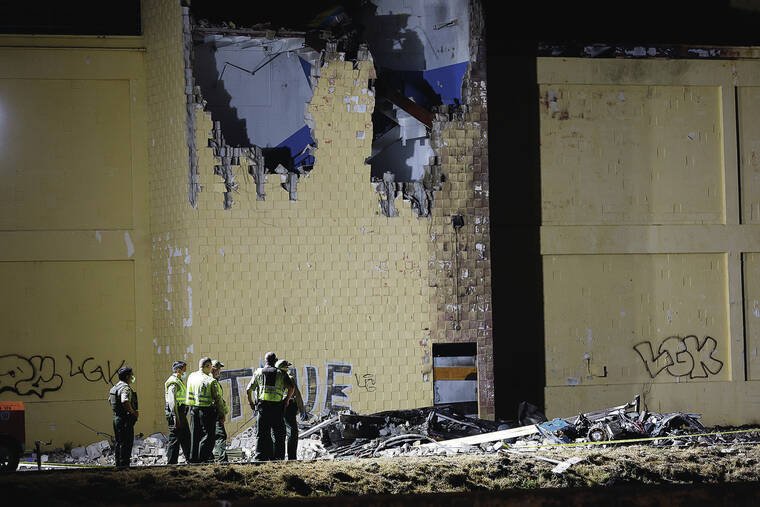
When the Honolulu tower controller questioned the unexpected turn, the flight instructor responded that the aircraft was out of control. The aircraft reached approximately 350 feet above ground level before its left turn steepened and it descended into an abandoned building in an industrial area north of the airport. The aircraft was destroyed in the subsequent impact and post-crash fire, killing both pilots.

The NTSB’s examination identified a failure in the flap system’s left interconnect rod assembly, which connected two inboard flap bellcranks. Investigators found that the rod had been bent under compression before subsequently fracturing under tension.

The failure allowed the left flap to become disconnected from the system and move to a lower angle, producing an asymmetric flap condition. A video study determined that, immediately before impact, the right flap was extended approximately 15 degrees more than the left flap.

Investigators also identified worn and fractured cable strands on both the left and right flap cables. The damage was consistent with the cables rubbing against structural cutouts in the wings, indicating improper cable tension or preload within the flap system.

The report explained that such preload could result from a misrigged flap system. The NTSB concluded that the left interconnect rod’s failure caused the asymmetric flap condition and an uncommanded left roll at an altitude insufficient for recovery.

The investigation examined the aircraft’s maintenance history, particularly work carried out on its flap system before the accident.

On June 25, 2024, the aircraft underwent a scheduled inspection that included a flap-system functional check. The maintenance records showed that the inspection had been signed off, but did not retain detailed findings, including flap cable tension measurements.

On October 4, 2024, approximately 10 weeks and 240 operating hours before the crash, the aircraft experienced a flap malfunction after landing at Molokai Airport. A mechanic replaced its primary flap motor following a report that the flaps had failed to retract.

However, the NTSB found that the aircraft maintenance manual did not contain a procedure for replacing only the primary flap motor. The documented procedure addressed replacement of the complete flap actuator assembly, which would require the flap system to be rigged.

Although the maintenance records indicated that a flap-system functional check had been completed following the work, investigators considered it unlikely that all prescribed procedures had been performed. The mechanic reportedly completed the replacement in approximately an hour, at night and away from the operator’s maintenance base.

The NTSB could not establish whether the flap system had been misrigged during this October maintenance event or at an earlier stage. However, investigators concluded that properly completing the required functional checks would likely have identified and corrected improper cable tension, whether it existed beforehand or was introduced during the motor replacement.

The examination also found that the left flap interconnect rod’s bending and subsequent fracture were consistent with prolonged stress associated with improper preload.

The investigation extended beyond the accident aircraft and examined Kamaka Air’s maintenance practices across its Cessna 208 fleet. A review of maintenance records covering 2013 to 2024 found repeated instances of primary flap motor replacements without sufficient descriptions of the work performed or confirmation that the applicable functional checks and rigging procedures had been completed.

Interviews with maintenance personnel revealed that the company did not provide formal training for its mechanics. Personnel generally learned through on-the-job training and by shadowing other mechanics.

The NTSB also identified incomplete maintenance records, inadequate understanding and compliance with the aircraft maintenance manual, and weaknesses in the operator’s FAA-approved maintenance programme.

Investigators found evidence of flap-system preload in several aircraft, including during scheduled maintenance before the accident. Post-accident checks also identified out-of-tolerance flap cable tension in four of the six remaining Cessna 208 series aircraft examined by the operator.

The NTSB considered these findings indicative of systemic deficiencies in mechanic training and supervision rather than an isolated maintenance error.

The report further noted that one of the operator’s two tensiometers, used to measure cable tension, had been out of calibration between September 9 and October 6, 2024.

The investigation also reviewed the Federal Aviation Administration’s oversight of Kamaka Air. FAA records showed turnover in several key management positions at the operator and among the FAA personnel responsible for its oversight during the three years preceding the accident.

Approximately two to three months before the crash, FAA personnel had identified deficiencies in the operator’s maintenance recordkeeping and were working with the company to address them. Those corrective efforts were still ongoing when the accident occurred.

Following the crash, Kamaka Air inspected flap travel and cable tension across its remaining Cessna 208 fleet and corrected identified discrepancies.

In July 2025, the Honolulu Flight Standards District Office requested a Certificate Holder Evaluation Program inspection of the operator. The inspection identified significant non-compliance with maintenance recordkeeping requirements and highlighted safety-management concerns.

The NTSB reported that, as of June 2026, some corrective actions had been completed while others remained ongoing.

In its final probable-cause determination, the NTSB attributed the accident to the in-flight failure of the flap system’s left interconnect rod due to preload from improper maintenance. The resulting asymmetric flap condition caused an uncommanded left roll at an altitude insufficient for recovery.

The operator’s failure to follow its FAA-approved maintenance programme, along with inadequate training and supervision of its mechanics, were identified as contributing factors.

The NTSB also referenced earlier flap-system failures involving Cessna 208 series aircraft.

In 2016, a Cessna 208 in New Zealand experienced a flap interconnect rod failure attributed to a misrigged flap system. The aircraft had accumulated just 60.8 flight hours before the failure. Investigators noted similarities between the fracture features of that aircraft’s right interconnect rod and the failed rod recovered from the Kamaka Air aircraft.

The report also cited a 2023 event documented in the FAA’s Service Difficulty Reporting database, in which a Cessna 208 experienced an aggressive roll and loss of controllability after a flap control rod failed during flap extension.

According to Textron Aviation records cited in the investigation, 16 reports involving misrigged flap systems in Cessna 208 series aircraft were recorded between June 2015 and September 2025.

Leave a Comment

Subscribe to our Newsletter

Recent News

Aviation Today Perspectives