News
Civil Aviation
Pilot Training
Flight School Analysis
Aviation Jobs
Training
Services
About Us
Contact Us

EXCLUSIVE: United 7 Aero Showcases Global Pilot Training Network At Wings India 2026

Picture of Aviation Today Exclusive

Aviation Today Exclusive

Aviation Today: Thank you for joining us. Could you briefly introduce United 7 Aero and explain what the organisation does? Stanko Pavlovic: Thank you for having me. United 7 Aero is a pilot training institution based in the United Arab Emirates. We are a global pilot training organisation that provides comprehensive solutions for aspiring and future pilots. Our services include both theoretical instruction and practical flight training, helping students progress through every stage of their pilot training journey. Aviation Today: How is United 7 Aero structured across its international training academies? Stanko Pavlovic: United 7 Aero delivers pilot training through three different pathways. The first is our home base in Dubai, where we provide theoretical training aligned with the EASA Part-FCL training syllabus. This prepares students for the next stage of their flight training and pilot licensing. The second option is flight training in the Republic of Serbia under ICAO standards. Students complete a modular training programme that includes at least 200 hours of flight time, after which they obtain a Commercial Pilot Licence, multi-engine instrument rating endorsements and ATPL theoretical credits. Together, these qualifications are commonly known as a Frozen ATPL licence. The third option is training in Romania through Regional Air Services. As Romania is a member of the European Union and EASA, students receive an EASA licence, which is recognised across the 29 EASA member countries. In addition, United 7 Aero supports licence conversion in multiple directions. Students trained in Serbia who wish to work in the European Union can convert their licences accordingly. Likewise, students trained in Romania who intend to pursue careers in India can receive support in obtaining a DGCA licence. Our network allows us to provide flexible solutions based on each student's career goals. Aviation Today: How do your partner schools cooperate with one another? Stanko Pavlovic: Students begin with their theoretical training in Dubai before choosing either the Serbian or Romanian flight training programme. Both options provide high-quality flight training, and students are equally supported regardless of which pathway they select. The Romanian programme through Regional Air Services and the Serbian programme through Flight Training Balkan operate independently. Each school has its own aircraft fleet, organisational structure and training system. They conduct the complete training programme leading to pilot licensing, and the licences are issued by their respective national aviation authorities. The cooperation comes through United 7 Aero, as we coordinate student enrolment and guide them to the appropriate flight training institution based on their chosen pathway. Aviation Today: What similarities and differences exist in the curriculum and training quality across your partner schools? Stanko Pavlovic: Both Regional Air Services and Flight Training Balkan follow the same Part-FCL flight crew licensing regulations. As a result, their training syllabi are extremely similar. Both schools also follow a modular training approach rather than an integrated programme. Students first complete their Private Pilot Licence (PPL), which serves as the prerequisite for progressing to the Commercial Pilot Licence (CPL). They then continue with single-engine instrument rating and multi-engine instrument rating modules. The primary difference between the two schools is the aircraft fleet used for training. Flight Training Balkan in Serbia operates Cessna and Piper aircraft, while Regional Air Services in Romania conducts training using Diamond aircraft and Tecnam multi-engine aircraft.


Hyderabad, India: Speaking to Aviation Today during Wings India at Begumpet Airport, Hyderabad, Stanko Pavlovic, Pilot Training Advisor at United 7 Aero, outlined how the UAE-based pilot training organisation is building a globally connected training ecosystem through academic and flight training partnerships across Dubai, Serbia and Romania. He explained that United 7 Aero provides aspiring pilots with theoretical instruction, practical flight training and licence conversion support, enabling students to pursue aviation careers across multiple regulatory jurisdictions.

Pavlovic said the organisation delivers pilot training through three pathways. Students begin with theoretical training in Dubai under the European Union Aviation Safety Agency (EASA) Part-FCL syllabus before progressing to flight training either in Serbia under ICAO standards or in Romania under EASA regulations. The Serbian programme includes at least 200 hours of flight training leading to a Commercial Pilot Licence (CPL), multi-engine instrument rating and ATPL theoretical credits, resulting in a Frozen ATPL qualification. Meanwhile, the Romanian programme offers an EASA licence recognised across the European Union.

He further explained that United 7 Aero assists students with licence conversions depending on their career goals, including conversions from Serbian ICAO licences to EASA licences and support for obtaining DGCA-compliant licences for those planning to work in India. According to Pavlovic, the organisation’s network allows students to choose the training pathway best suited to their career aspirations while maintaining consistent training quality.

Discussing the cooperation between partner academies, Pavlovic said students complete their theoretical education in Dubai before selecting either the Serbian or Romanian flight training programme. While both flight schools operate independently with their own fleets and aviation authorities issuing licences, United 7 Aero coordinates student placement and ensures a seamless training experience.

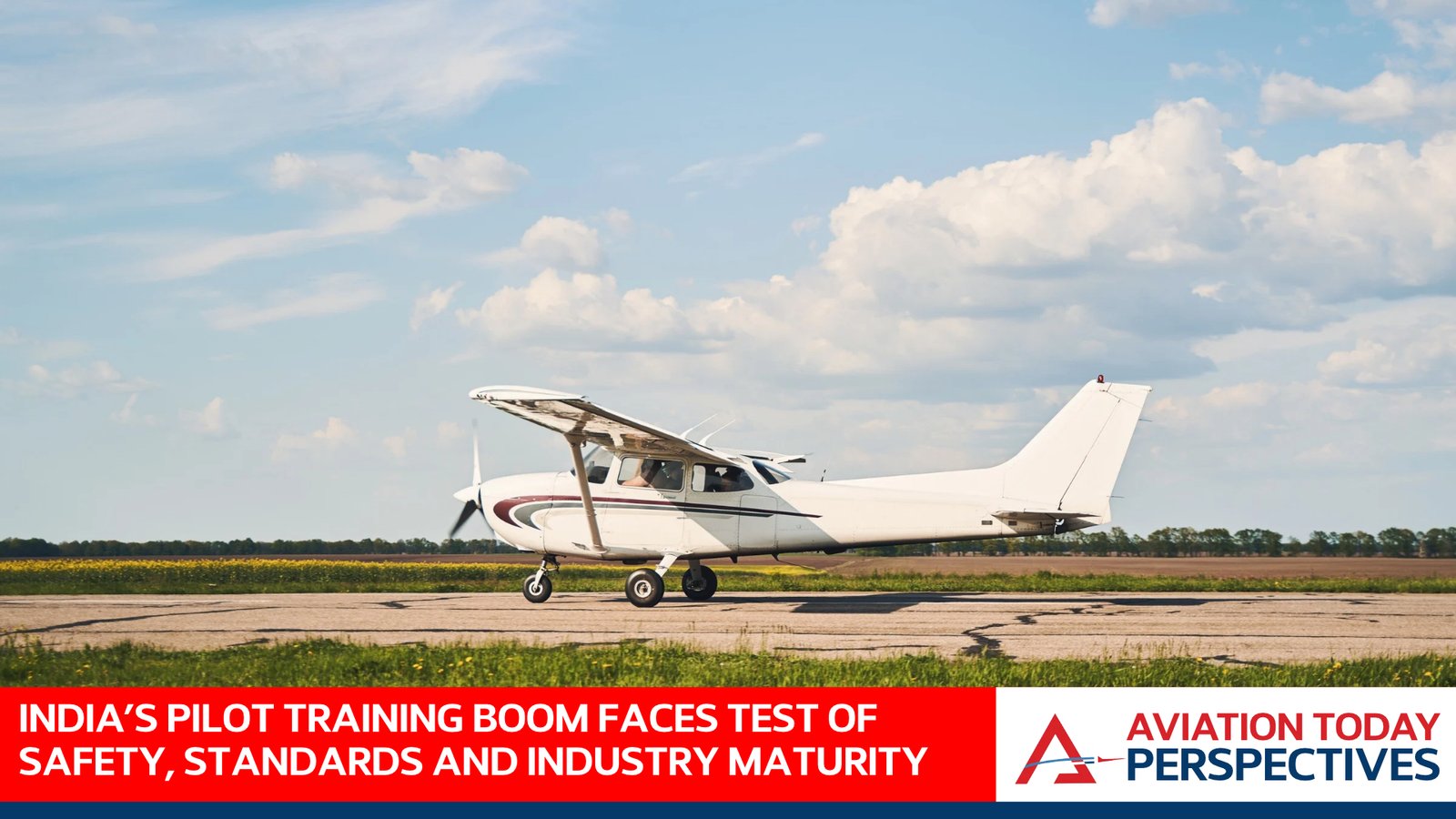
He added that both partner schools follow the same Part-FCL flight crew licensing regulations and modular training philosophy. Students first obtain a Private Pilot Licence (PPL) before progressing to the Commercial Pilot Licence (CPL), followed by single-engine and multi-engine instrument rating modules. The primary distinction between the two schools lies in their training fleets, with the Serbian academy operating Cessna and Piper aircraft, while the Romanian academy trains students using Diamond aircraft and Tecnam multi-engine aircraft.

Conversation In Details

Aviation Today: Thank you for joining us. Could you briefly introduce United 7 Aero and explain what the organisation does?

Stanko Pavlovic: Thank you for having me. United 7 Aero is a pilot training institution based in the United Arab Emirates. We are a global pilot training organisation that provides comprehensive solutions for aspiring and future pilots. Our services include both theoretical instruction and practical flight training, helping students progress through every stage of their pilot training journey.

Aviation Today: How is United 7 Aero structured across its international training academies?

Stanko Pavlovic: United 7 Aero delivers pilot training through three different pathways. The first is our home base in Dubai, where we provide theoretical training aligned with the EASA Part-FCL training syllabus. This prepares students for the next stage of their flight training and pilot licensing.

The second option is flight training in the Republic of Serbia under ICAO standards. Students complete a modular training programme that includes at least 200 hours of flight time, after which they obtain a Commercial Pilot Licence, multi-engine instrument rating endorsements and ATPL theoretical credits. Together, these qualifications are commonly known as a Frozen ATPL licence.

The third option is training in Romania through Regional Air Services. As Romania is a member of the European Union and EASA, students receive an EASA licence, which is recognised across the 29 EASA member countries.

In addition, United 7 Aero supports licence conversion in multiple directions. Students trained in Serbia who wish to work in the European Union can convert their licences accordingly. Likewise, students trained in Romania who intend to pursue careers in India can receive support in obtaining a DGCA licence. Our network allows us to provide flexible solutions based on each student’s career goals.

Aviation Today: How do your partner schools cooperate with one another?

Stanko Pavlovic: Students begin with their theoretical training in Dubai before choosing either the Serbian or Romanian flight training programme. Both options provide high-quality flight training, and students are equally supported regardless of which pathway they select.

The Romanian programme through Regional Air Services and the Serbian programme through Flight Training Balkan operate independently. Each school has its own aircraft fleet, organisational structure and training system. They conduct the complete training programme leading to pilot licensing, and the licences are issued by their respective national aviation authorities.

The cooperation comes through United 7 Aero, as we coordinate student enrolment and guide them to the appropriate flight training institution based on their chosen pathway.

Aviation Today: What similarities and differences exist in the curriculum and training quality across your partner schools?

Stanko Pavlovic: Both Regional Air Services and Flight Training Balkan follow the same Part-FCL flight crew licensing regulations. As a result, their training syllabi are extremely similar.

Both schools also follow a modular training approach rather than an integrated programme. Students first complete their Private Pilot Licence (PPL), which serves as the prerequisite for progressing to the Commercial Pilot Licence (CPL). They then continue with single-engine instrument rating and multi-engine instrument rating modules.

The primary difference between the two schools is the aircraft fleet used for training. Flight Training Balkan in Serbia operates Cessna and Piper aircraft, while Regional Air Services in Romania conducts training using Diamond aircraft and Tecnam multi-engine aircraft.

Leave a Comment

Subscribe to our Newsletter

Recent News

Aviation Today Perspectives