Tel Aviv, Israel: Israel has introduced stricter requirements governing the nationalities of pilots and cabin crew operating flights into or through its airspace, placing responsibility on foreign airlines to verify crew citizenship and security clearance. Air France and Czech carrier Smartwings have confirmed compliance, while a reported United Airlines scheduling memo identifies 29 countries whose nationals may be affected.
The restrictions apply to crew members holding citizenship, including dual citizenship, of countries that do not maintain formal diplomatic relations with Israel. The reported list includes Afghanistan, Algeria, Bangladesh, Brunei, Comoros, Cuba, Djibouti, Indonesia, Iran, Iraq, Kuwait, Lebanon, Libya, Malaysia, Maldives, Mali, Mauritania, Niger, North Korea, Oman, Pakistan, Qatar, Saudi Arabia, Somalia, Sudan, Syria, Tunisia, Venezuela and Yemen. However, the complete list has not been independently confirmed through a publicly available Israeli government document.
Israel’s Ministry of Transport and Road Safety communicated the nationality restrictions to foreign airlines on 1 October 2026, according to information attributed to Israel’s N12 broadcaster. A report published on 8 October cited the ministry’s written guidelines, which require airlines to verify crew citizenship on flights entering Israel or passing through its airspace.
The ministry’s guidelines state: “The airline bears sole responsibility for ensuring that all flight crew members do not hold citizenship or dual citizenship of a country that does not maintain formal diplomatic relations with the State of Israel.”
The guidelines also require airlines to ensure that crew members have undergone current background and security checks in accordance with applicable national requirements. The rules place responsibility for screening on the operating airline rather than relying solely on Israeli authorities to verify crew identities.
The requirements gained renewed attention following an incident aboard Flydubai flight FZ1073 on 30 September 2026, when an Omani co-pilot allegedly attacked the captain while the aircraft was operating from Dubai to Tel Aviv.
On 30 September 2026, Israeli Prime Minister Benjamin Netanyahu instructed authorities to strengthen security checks on pilots flying into Israel following the incident involving Flydubai flight FZ1073.
Doron Spielman, a spokesperson for the prime minister’s office, told Reuters: “Every pilot that is going to be flying into Israel, we are going to know the pilots’ identities, know who they are, and do some type of security check.”
According to a statement issued by UAE Attorney General Hamad Saif al Shamsi on 9 October, the co-pilot allegedly intended to seize control of the aircraft and crash it into a terminal at Ben Gurion Airport. The suspect allegedly attacked the Indian captain with a crash axe while the aircraft was over Saudi Arabian airspace, causing the aircraft to descend approximately 16,000 feet in 30 seconds.
The captain resisted the attack, and two other pilots aboard the aircraft helped bring the situation under control. The aircraft subsequently landed safely in Saudi Arabia, and the suspect was transferred to the UAE.
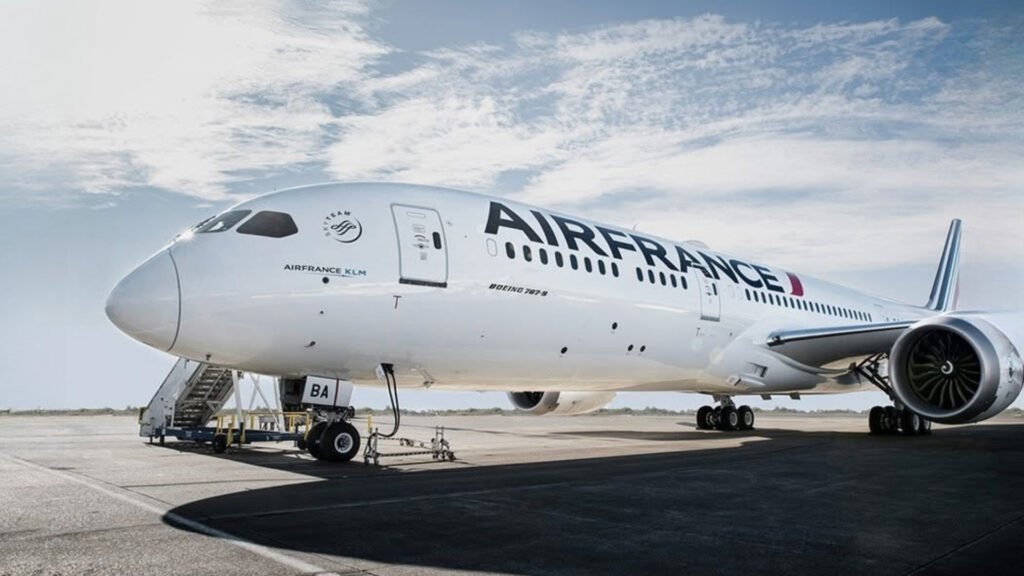
Air France confirmed to Al Jazeera on 13 October 2026 that it was complying with Israel’s requirements. “Like all airlines, Air France is required to comply with the entry regulations established by the authorities of the countries it serves, both for its customers and employees,” the airline said.
Air France also confirmed that affected employees had been informed of the new requirements for flights to Tel Aviv.
Smartwings, a Czech airline, separately confirmed that it had received the directive and would comply. Its spokeswoman, Vladimira Dufkova, said: “We received the directive from the Israeli authorities in September 2026. We have carefully reviewed the directive and continue to monitor and comply with all applicable requirements issued by the relevant authorities.”
She added that the requirements had not affected the airline’s operations, crew-management procedures or deployment of crew members on flights to and from Israel at the time of the statement.
The reported memo indicates that the airline has addressed the requirements through crew-planning procedures.
The restrictions have prompted concerns about potential conflicts between national security requirements and employment protections in the countries where airlines are based.
Paris-based anti-discrimination lawyer Clara Gandin told Al Jazeera that excluding employees from certain routes based on nationality could conflict with Article L1132-1 of the French Labour Code, which prohibits discrimination based on actual or perceived nationality in employment matters.
Gandin argued that removing pilots or cabin crew from particular flights because of their nationality could amount to direct discrimination, even if their salaries remained unchanged. She also raised concerns about collecting nationality information from employees and the potential implications under data-protection law.
However, the employment-law question is distinct from a state’s authority to regulate entry into its territory and access to its airspace. Vincent Correia, a professor of air law at McGill University said that international aviation law recognises states’ authority to regulate the admission of passengers and crew.
The restrictions could therefore create competing obligations for international airlines: complying with the requirements imposed by a destination country while meeting employment and anti-discrimination laws in their home jurisdictions.
The new requirements place additional responsibility on foreign carriers to verify crew citizenship, maintain appropriate security checks and ensure that assigned pilots and cabin crew meet Israel’s entry requirements. The rules could require airlines to review crew rosters and arrange alternative assignments where employees are ineligible to operate a particular flight.
The wider operational impact remains unclear. Smartwings said its operations and crew assignments had not been affected at the time of its statement, while the full extent of implementation across international airlines has not been established.
The restrictions also raise questions about whether other countries could adopt similar nationality-based screening measures. For airlines operating international networks, such requirements could complicate crew deployment and scheduling, particularly where pilots or cabin crew hold more than one nationality.
Israel’s policy marks a further tightening of crew-security requirements following the Flydubai incident. While the stated security objective is to strengthen checks on flight crews, the restrictions have also created legal and operational questions for carriers operating services to and through Israeli airspace.