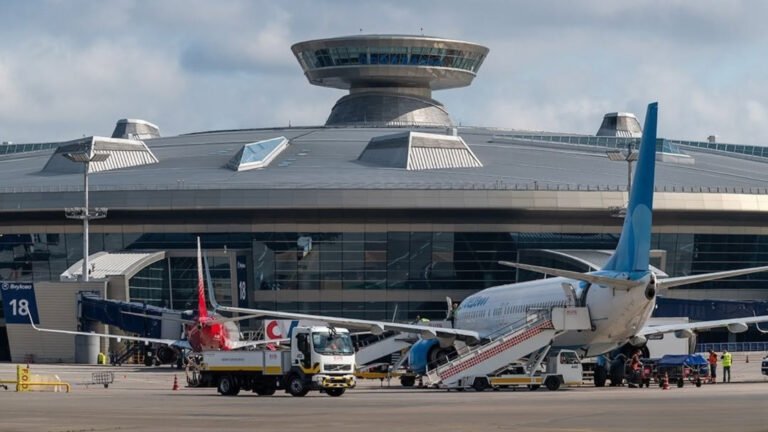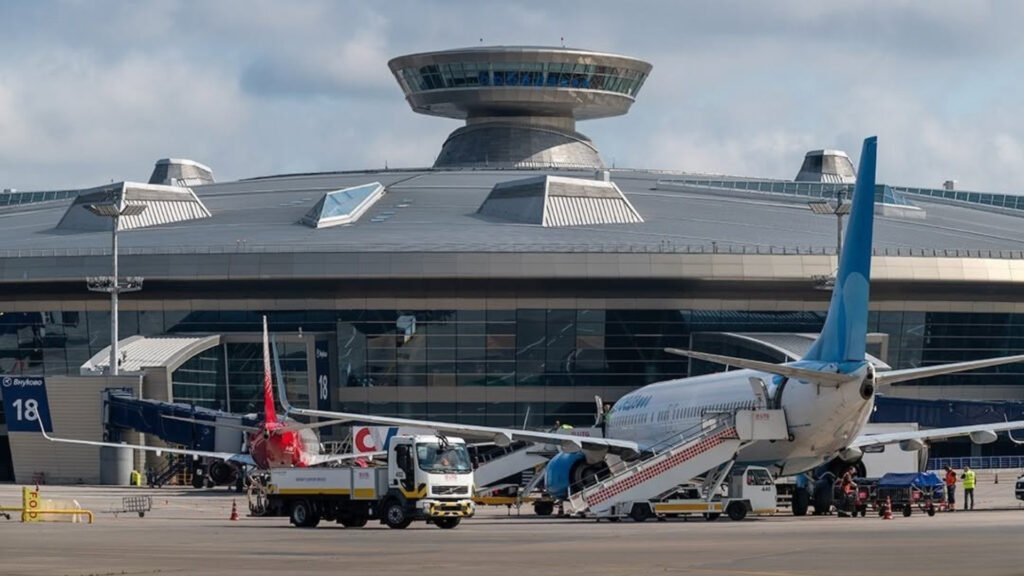
Moscow, Russia: Russia said its air-defence systems intercepted 902 Ukrainian drones overnight from 13 to 14 October 2026, including 180 approaching Moscow, triggering temporary flight restrictions at four major airports serving the Russian capital. The disruption affected Vnukovo, Sheremetyevo, Domodedovo and Zhukovsky airports, with more than 30 aircraft bound for Moscow reportedly diverted to other cities. Vnukovo experienced more than eight hours of disruption, while flights from Türkiye were among the international services affected.
Russia’s Defence Ministry said its air-defence systems had “destroyed 902 Ukrainian drones” overnight across approximately 20 Russian regions and Crimea. Moscow Mayor Sergei Sobyanin separately reported that 493 drones had approached the Moscow region between the evening of 13 October and the morning of 14 October, with 180 destroyed as they approached the capital.
The scale of the reported drone wave made the incident one of the largest recent attacks directed towards Moscow, according to Russian reporting. The reported concentration of drones and the resulting disruption across four airports underscored the operational impact of drone warfare on civilian aviation.
The aviation disruption began on the evening of 13 October, when temporary restrictions were introduced at Moscow’s airports as the drone attack unfolded. Vnukovo, Domodedovo and Zhukovsky imposed restrictions at approximately 22:05 local time, while Sheremetyevo introduced restrictions later, at around 23:44.
According to reports, the measures at Sheremetyevo, Domodedovo and Zhukovsky were lifted at approximately 06:44 on 14 October. Vnukovo’s disruption lasted more than eight hours. Reports said passengers aboard aircraft at Vnukovo were asked to disembark during the disruption.
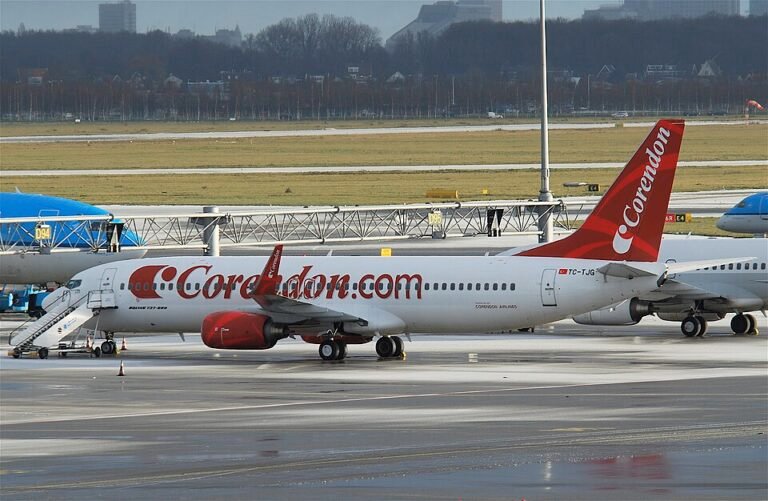
More than 30 aircraft scheduled to arrive in Moscow were reportedly diverted to other cities. Flights from Türkiye were also affected, with reports identifying 11 services bound for Vnukovo that turned back. These included Turkish Airlines and AJet flights operating from Istanbul, Antalya, Izmir, Bodrum and Dalaman. Some services returned to Istanbul Airport, while other flights were redirected to Istanbul Sabiha Gökçen Airport.
The restrictions disrupted normal arrival and departure schedules, although a consolidated, independently verified count of cancellations, passenger delays and airline-specific losses was not available. The lifting of restrictions did not necessarily mean that all affected flights had returned to schedule.
Russia’s Defence Ministry said the interceptions occurred across approximately 20 Russian regions and Crimea including the Moscow, Belgorod, Bryansk, Vladimir, Kaluga, Kursk, Lipetsk, Novgorod, Oryol, Ryazan, Smolensk, Tver and Tula regions, alongside areas in southern Russia and the Sea of Azov.
The attack was also reported to have affected the Saratov region. In Balakovo, reports described a fire near industrial facilities, including a metallurgical plant. The exact targets and extent of damage were not independently confirmed in all accounts.
Russian authorities attributed the drones to Ukraine. However, the available reports did not independently establish the number of drones launched, the identity of every operator or the intended target of each aircraft.
The overnight events unfolded alongside a separate Russian attack on Ukraine. Russia’s Defence Ministry said it had conducted a “massive strike with high-precision weapons” against energy and communications infrastructure in Kyiv, the surrounding region and Kharkiv, claiming the facilities served military interests.
Ukrainian officials reported strikes involving ballistic missiles and attack drones, with damage to energy infrastructure and electricity outages. Reports said damage to energy facilities in Kyiv and Kharkiv and widespread disruption to electricity supplies.
The two operations should be distinguished: Russia’s claim of 902 intercepted drones concerned Ukrainian drones reported over Russian territory and surrounding areas, while the strikes on Ukrainian infrastructure were a separate Russian military operation.
The latest incident highlights the growing operational consequences of drone warfare for civilian aviation. Although the Moscow airport restrictions were subsequently lifted, the diversions and schedule disruption demonstrated how security measures against aerial threats can affect domestic and international airline operations.