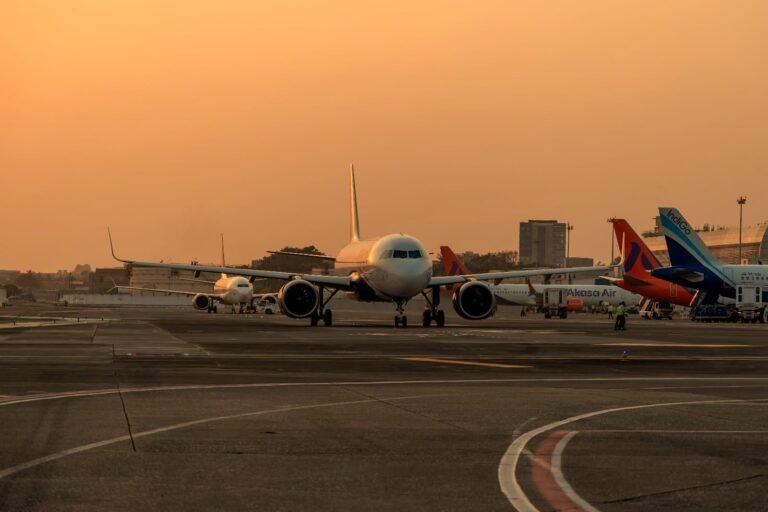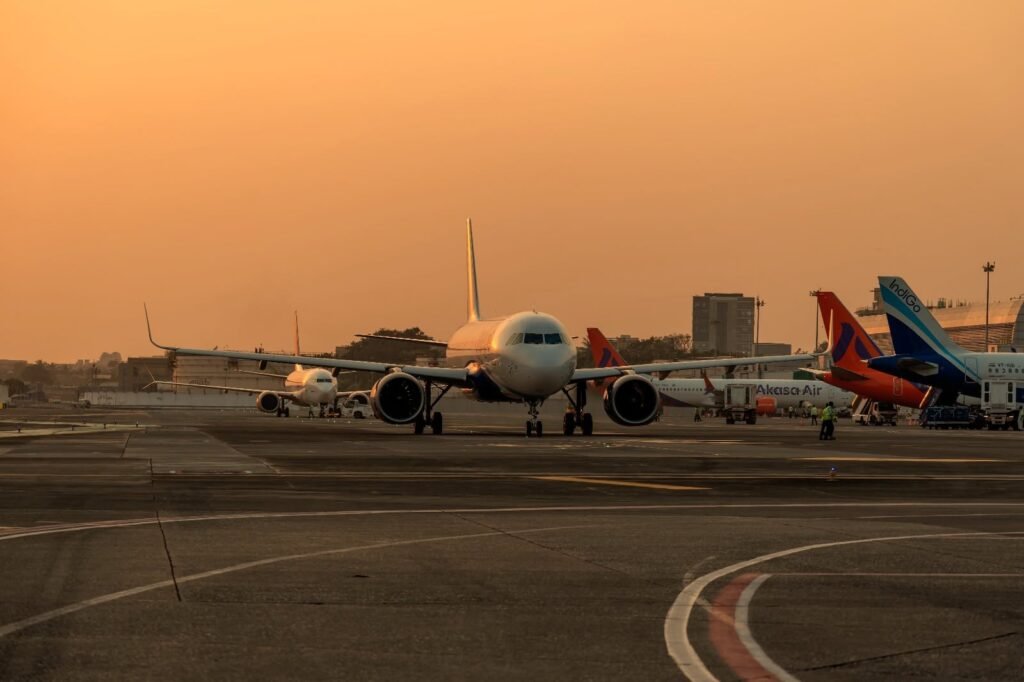
New Delhi, India: Indian airlines have sought urgent government intervention as the prolonged West Asia conflict, rising aviation turbine fuel (ATF) prices, airspace restrictions and rupee depreciation put increasing pressure on operating costs and liquidity.
The Federation of Indian Airlines (FIA), which represents Air India, IndiGo and SpiceJet, has asked the government to introduce several measures, including a cost-plus pricing system for domestic ATF, changes to the central excise duty on jet fuel, lower VAT in more states and an extension of the 25% reduction in landing and parking charges for domestic flights.
The FIA said fuel, which historically accounted for around 30–40% of airline operating costs, now represents about 55–60% under the prevailing conditions. It said longer flight routes caused by airspace restrictions have increased fuel consumption, crew costs and reduced aircraft utilisation, while the weaker rupee has added to other dollar-linked expenses.
The association has also highlighted the sharp movement in international fuel benchmarks. According to the FIA, Brent crude increased from around $72 per barrel to $118, while the ATF benchmark it cited, based on MOPAG plus premium, rose from $87.24 to a peak of $260.24 per barrel before falling to about $175.33. The crack differential between Brent and MOPAG, which the FIA said was historically around $11–18 per barrel, had risen above $100 and remained around $60–61, compared with an earlier average of $8–12.
The FIA has therefore sought a shift from international benchmark-based ATF pricing to a cost-plus model, while retaining competition among oil marketing companies and commercial arrangements between airlines and fuel suppliers.
On taxation, the industry body has asked the Centre to replace the current percentage-based excise duty on domestic ATF with a fixed-rate levy. It has also sought continuation of the 7% VAT rate on ATF in Delhi and Maharashtra, currently available until mid-November, and similar relief in Tamil Nadu, West Bengal, Karnataka and Telangana.
The FIA has separately requested that the 25% reduction in landing and parking charges for domestic flights be restored and extended until the West Asia crisis eases. The concession, introduced earlier this year, expired in July. Airlines said continued airspace restrictions and longer routings are creating significant additional costs.
Civil Aviation Minister K Ram Mohan Naidu said on October 6 that the government is already discussing the issue with airlines and oil marketing companies. “One of the most important things is the West Asia crisis and how it’s putting a big burden on the ATF prices.”
Naidu said the ministry would consult all stakeholders before deciding on further measures. “The ministry is going to have a meeting with the stakeholders. And once we understand the point of view from all the stakeholders, then we will make a decision.”
The pressure has already reached passengers. IndiGo revised its fuel charges for new bookings from October 6 after ATF prices rose by more than 14% month-on-month, taking fuel costs to levels the airline said were among the highest in the last decade. Domestic fuel charges now range from ₹375 to ₹1,300 per sector, depending on distance, while international charges range from ₹1,000 to ₹10,000, depending on the region.
Domestic ATF prices were raised by around ₹16 per litre on October 1, from about ₹121 to ₹137 per litre, marking the third consecutive monthly increase after hikes in August and September. ATF can account for up to 40% of airline operating costs under normal conditions.
The airlines are also seeking faster access to government-backed credit. On October 6, the FIA asked the Civil Aviation Ministry to facilitate the release of pending funds sanctioned under ECLGS 5.0, saying some member airlines had received only part of the approved credit because lenders remained hesitant to release the balance. The federation said timely access to the funds was necessary to meet working-capital and operational requirements.
The request comes despite the government’s ₹10,000 crore ATF Price Stabilisation Fund, approved in June to shield scheduled Indian airlines from exceptional fuel-price volatility caused by the West Asia crisis. Under the mechanism, the government provides interest-free advances to oil marketing companies so they can supply ATF to participating airlines at predetermined prices, with the differential recovered when international prices moderate.
With fuel costs continuing to rise and airlines facing longer routes, higher crew and operational expenses and weaker liquidity, the industry is now seeking relief on several fronts simultaneously. The FIA has warned that without timely support, carriers could be forced to withdraw from some economically unsustainable routes.