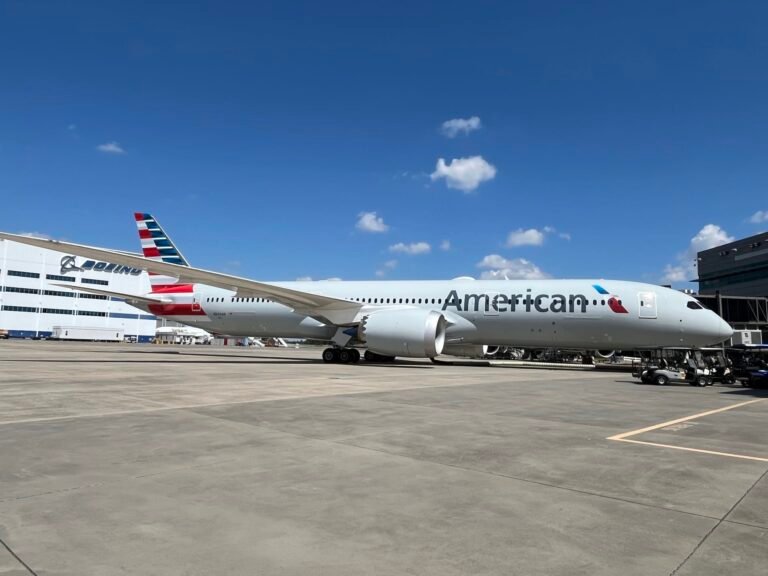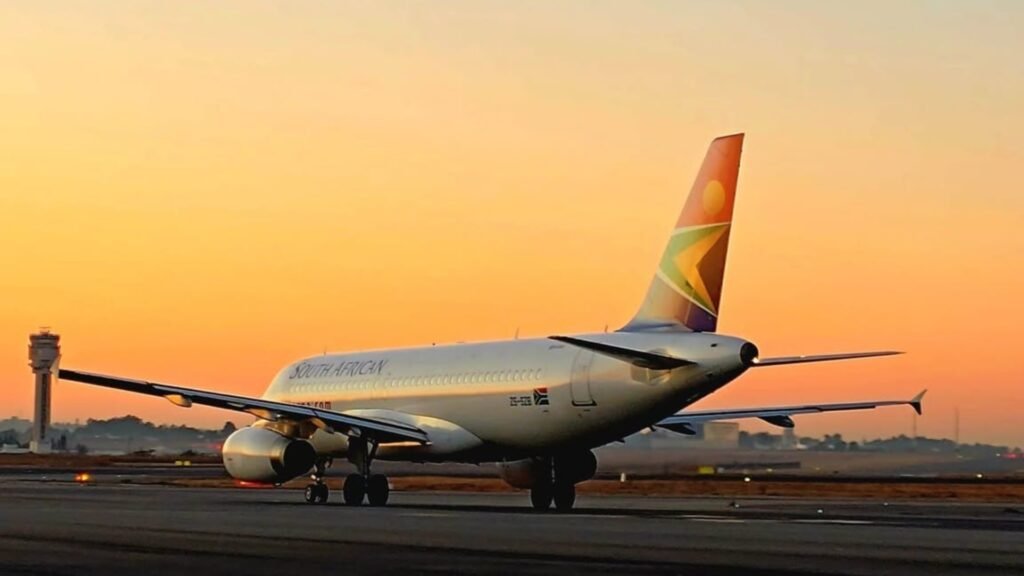
Nairobi, Kenya: Africa’s commercial airplane fleet is expected to be more than double, from 755 aircraft to 1,625 by 2045, as rising passenger demand, improving connectivity, urbanization and economic growth drive expansion across the continent, Boeing said in its 2026 Commercial Market Outlook for Africa.
In a news release on September 3, 2026, Boeing forecast passenger traffic in Africa to grow by nearly 6% annually through 2045, making the region one of the fastest-growing aviation markets globally. The company said Africa’s young and increasingly urban population, expanding middle class and improving infrastructure will support the long-term growth.
Boeing expects African airlines to require nearly 1,200 new airplanes through 2045. Its detailed forecast calls for 1,165 deliveries between 2026 and 2045, comprising 40 regional jets, 870 single-aisle aircraft, 240 widebody aircraft and 15 freighters. Single-aisle jets will account for about 75% of deliveries and are expected to support expanding domestic and regional networks.
Widebody demand is also projected to more than double as airlines modernize their fleets and expand long-haul networks. At the same time, Africa’s freighter fleet is forecast to increase from 60 aircraft to 150 as logistics, e-commerce and high-value export markets develop.
Boeing expects intra-African passenger traffic to grow faster than the regional average as improved flight connections strengthen travel within the continent. Europe is projected to remain Africa’s largest international passenger market through 2045, supported by expanding economic ties, cultural and family connections and increased tourism investment.
“Africa’s aviation market is entering a period of sustained growth driven by improving connectivity, expanding intraregional travel and deeper economic ties across the continent and with key global markets,” Shahab Matin, Boeing’s managing director of Commercial Marketing, said.
“Meeting this demand will require a broader commitment to fleet modernization, expanded capacity, digital solutions and workforce development,” Matin added. “The opportunity extends well beyond airplanes. It will require investment in affordable access, and the people who will support a larger fleet.”
The projected fleet expansion is also expected to generate substantial demand for aviation services and skilled workers. Boeing’s Commercial Services Market Outlook forecasts a $140 billion market through 2045 for maintenance, repair, overhaul and modifications (MRO) and digital solutions.
Boeing’s Pilot and Technician Outlook projects that African airlines will require 75,000 additional aviation professionals as fleets and route networks expand. The requirement includes 22,000 pilots, 25,000 technicians and 28,000 cabin crew.
Boeing said the Commercial Market Outlook is an annual forecast that has been published since 1961 and provides 20-year projections for airplane and aviation-services demand worldwide. The company also noted that it has supported African airlines and aviation institutions for more than seven decades.
The forecast is subject to Boeing’s standard forward-looking statement disclaimer. The company said its projections are based on expectations and assumptions that may not prove accurate and are not guarantees. Economic conditions, industry developments and other factors could cause actual results to differ materially from the projections.