News
Civil Aviation
Pilot Training
Flight School Analysis
Aviation Jobs
Training
Services
About Us
Contact Us

Alaska Air National Guard Rescues Four After Cessna 180 Crash On Montague Island

Picture of Aviation Today News Desk

Aviation Today News Desk

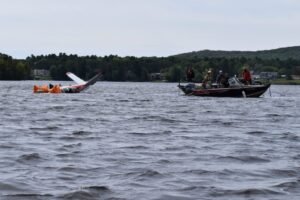
Alaska, United States: Four people were rescued after a Cessna 180 crashed and overturned on a coastal sandbar on Alaska’s Montague Island on August 30, 2026 with Alaska Air National Guard personnel responding to the remote site and transporting all four occupants to a hospital in Anchorage. The crash occurred on a coastal sandbar on Montague Island, about 60 miles southeast of Seward, Alaska, according to the Alaska National Guard. The aircraft was identified as a Cessna 180 carrying four people. The official report did not release the occupants’ names, the aircraft’s registration, the exact flight route or a specific cause of the crash. The rescue operation began after the Alaska Rescue Coordination Center (AKRCC) at Joint Base Elmendorf-Richardson received a signal from the aircraft’s 406 MHz emergency locator transmitter (ELT). The ELT was registered to the owner of the Cessna 180, allowing authorities to identify the aircraft associated with the emergency signal. The people involved in the incident also had a consumer-grade two-way satellite communication device. According to the Alaska National Guard, the device helped maintain the flow of information with the AKRCC and assisted rescuers in obtaining a more precise location of the crash site. Following the alert, the AKRCC requested assistance from the Alaska Air National Guard’s 176th Wing search-and-rescue duty officer. A HH-60W Jolly Green II helicopter from the 210th Rescue Squadron was dispatched with pararescuemen from the 212th Rescue Squadron, commonly known as PJs, aboard. When the rescue team reached the crash site, the Cessna had overturned. Despite its position, the aircraft appeared to be seemingly undamaged, and the four occupants had managed to get themselves out before the pararescuemen reached them. The rescue operation required additional caution because the aircraft had come down on a coastal sandbar. Flying sand and beach debris posed a hazard to the helicopter, so the HH-60W crew landed at a safe distance from the crash site rather than directly next to the occupants. The pararescuemen then made contact with the four people and assessed their condition. One occupant had suffered a back injury. The PJs stabilized the injured person using a vacuum splint and cervical collar before securing the occupant in a Stokes litter for helicopter transportation. The HH-60W crew subsequently flew the injured occupant and the other three people to Providence Alaska Medical Center in Anchorage. They were handed over to civilian medical personnel at the hospital. The Alaska National Guard said the incident also demonstrated the importance of reliable emergency-location and communication equipment during aircraft emergencies in remote areas. AKRCC officials urged aircraft owners to keep their 406 MHz ELT registrations current and encouraged pilots to carry an additional satellite communication device to help speed up rescue operations. The Alaska National Guard reported that all four occupants were rescued from the crash site and transported for medical care. The agency did not provide further information on the occupants’ identities or disclose what caused the Cessna 180 to crash.
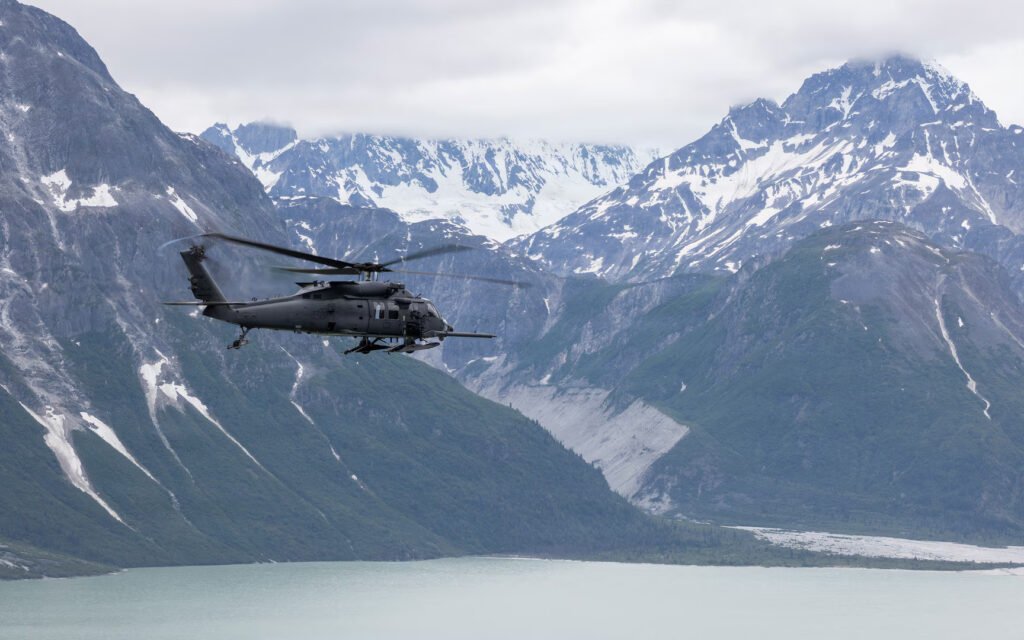
Image: Alaska National Guard

Alaska, United States: Four people were rescued after a Cessna 180 crashed and overturned on a coastal sandbar on Alaska’s Montague Island on August 30, 2026 with Alaska Air National Guard personnel responding to the remote site and transporting all four occupants to a hospital in Anchorage.

The crash occurred on a coastal sandbar on Montague Island, about 60 miles southeast of Seward, Alaska, according to the Alaska National Guard. The aircraft was identified as a Cessna 180 carrying four people. The official report did not release the occupants’ names, the aircraft’s registration, the exact flight route or a specific cause of the crash.

The rescue operation began after the Alaska Rescue Coordination Center (AKRCC) at Joint Base Elmendorf-Richardson received a signal from the aircraft’s 406 MHz emergency locator transmitter (ELT). The ELT was registered to the owner of the Cessna 180, allowing authorities to identify the aircraft associated with the emergency signal.

The people involved in the incident also had a consumer-grade two-way satellite communication device. According to the Alaska National Guard, the device helped maintain the flow of information with the AKRCC and assisted rescuers in obtaining a more precise location of the crash site.

Following the alert, the AKRCC requested assistance from the Alaska Air National Guard’s 176th Wing search-and-rescue duty officer. A HH-60W Jolly Green II helicopter from the 210th Rescue Squadron was dispatched with pararescuemen from the 212th Rescue Squadron, commonly known as PJs, aboard.

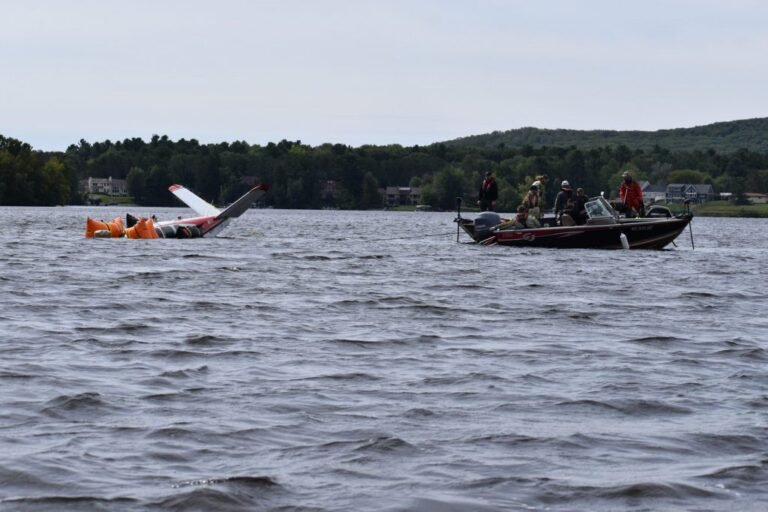
When the rescue team reached the crash site, the Cessna had overturned. Despite its position, the aircraft appeared to be seemingly undamaged, and the four occupants had managed to get themselves out before the pararescuemen reached them.

The rescue operation required additional caution because the aircraft had come down on a coastal sandbar. Flying sand and beach debris posed a hazard to the helicopter, so the HH-60W crew landed at a safe distance from the crash site rather than directly next to the occupants.

The pararescuemen then made contact with the four people and assessed their condition. One occupant had suffered a back injury. The PJs stabilized the injured person using a vacuum splint and cervical collar before securing the occupant in a Stokes litter for helicopter transportation.

The HH-60W crew subsequently flew the injured occupant and the other three people to Providence Alaska Medical Center in Anchorage. They were handed over to civilian medical personnel at the hospital.

The Alaska National Guard said the incident also demonstrated the importance of reliable emergency-location and communication equipment during aircraft emergencies in remote areas. AKRCC officials urged aircraft owners to keep their 406 MHz ELT registrations current and encouraged pilots to carry an additional satellite communication device to help speed up rescue operations.

The Alaska National Guard reported that all four occupants were rescued from the crash site and transported for medical care. The agency did not provide further information on the occupants’ identities or disclose what caused the Cessna 180 to crash.

Leave a Comment

Subscribe to our Newsletter

Recent News

Aviation Today Perspectives