News
Civil Aviation
Pilot Training
Flight School Analysis
Aviation Jobs
Training
Services
About Us
Contact Us

WestJet To Pay C$4.5 Million In Decade-Long Flight Attendants’ Harassment Case

Picture of Aviation Today News Desk

Aviation Today News Desk

WestJet To Pay C$4.5 Million In Decade-Long Flight Attendants’ Harassment Case SEO DES: The case stemmed from alleged sexual assaults involving a WestJet pilot in 2008 and 2010 followed by claims of inadequate investigations & harassment reporting SOCIAL: The Supreme Court of British Columbia approved WestJet’s C$4.5 million settlement on August 10, 2026, ending a decade-long sexual-harassment class action involving 3,452 current and former female flight attendants. The settlement was found fair, reasonable and in the class members’ best interests. The settlement follows allegations that WestJet failed to maintain an effective workplace free from harassment. It includes an independent assessment of workplace harassment, underreporting and the effectiveness of WestJet’s reporting and response systems, although the airline denies wrongdoing and admits no liability. Eligible claimants are expected to receive about C$470 each, subject to final administration costs. Deloitte LLP will administer the claims process once it opens, while the settlement remains subject to a mandatory 30-day finalization period following the August 10 approval. Vancouver, Canada: WestJet’s C$4.5 million settlement with female flight attendants in a decade-long sexual harassment class action was approved by the Supreme Court of British Columbia on August 10, 2026, bringing the long-running case closer to an end while requiring the airline to commission an independent workplace assessment into harassment, underreporting and the effectiveness of its reporting systems. The settlement covers current and former female WestJet mainline flight attendants who worked between April 4, 2014, and February 28, 2021, and who did not opt out of the class action. The court found the settlement fair, reasonable and in the best interests of the class. Under the approved agreement, the C$4.5 million settlement fund will first cover court-approved legal fees, disbursements, applicable taxes, settlement administration expenses and an honorarium for representative plaintiff Mandalena Lewis. The remaining amount will be distributed among eligible class members who submit valid claims. The class-action lawyers currently estimate that each eligible claimant who files a valid claim will receive about C$470, although the final amount could change slightly after administration costs are finalized. The settlement does not include an admission of liability or wrongdoing by WestJet. The airline continues to deny the allegations, and the disputed claims were never determined at trial. WestJet has also not agreed to some of the major forms of relief originally sought by the lawsuit, including mandatory anti-harassment training for pilots, an admission of wrongdoing or an admission that it breached its employment contracts. Instead, one of the key non-monetary terms requires WestJet to retain an independent and qualified third party to assess the prevalence of workplace harassment, the extent to which harassment is underreported, and how the airline’s systems for reporting and responding to harassment can be made more effective. WestJet must provide employees with a summary of the assessment’s findings. Deloitte LLP has been appointed as the independent claims administrator and is preparing a secure online claims portal. Eligible class members do not need to submit anything yet. Once the portal is ready, they will receive notice containing the claims link, instructions, the deadline and payment information. Class members will have three months from the date that notice is sent to submit a valid claim. Deloitte is then expected to review and process the claims within up to 60 days after the claims deadline, with approved payments to be made through Interac e-Transfer. The settlement is not yet final. A mandatory 30-day period follows the court’s August 10 approval before the agreement becomes final. Lewis, a former WestJet flight attendant, launched the class action in April 2016 after alleging that the airline had failed to uphold its promise to provide female employees with a workplace free from harassment. The case grew out of allegations surrounding an incident involving Lewis and a WestJet pilot during a layover in Maui, Hawaii, in January 2010, when Lewis was 25. According to court-related accounts, Lewis alleged that she was sexually assaulted by the pilot and that another female flight attendant had also been assaulted by the same pilot in 2008. Lewis alleged that she reported the 2010 incident to WestJet and that the airline’s subsequent investigation was inadequate. She said she received limited information about how the investigation was being conducted and was warned that she could face discipline if she discussed the incident with others. WestJet managers later told her that the pilot had not been terminated following the investigation, although restrictions were placed on his ability to fly to certain destinations and Lewis was not supposed to be scheduled to work with him. Lewis later learned in August 2015 that another female flight attendant had allegedly reported an assault involving the same pilot in 2008. She argued that if WestJet had properly investigated that earlier complaint and disciplined the pilot, she would not have been assaulted. The allegations formed part of her broader claim that the airline had failed to create and maintain an effective system to prevent and respond to harassment. Lewis also alleged that after she reported the incident to police in Maui, WestJet rerouted the pilot so that he would not be available to face questioning there. Lewis eventually abandoned an individual civil claim and pursued a class action after learning that other flight attendants had experienced harassment. Her employment with WestJet ended in 2016, with court documents submitted by the airline describing her termination as being for “gross insubordination”; Lewis and her legal team alleged that the termination was retaliation for her efforts to hold WestJet accountable internally. These allegations were disputed and were not established at trial. Lewis had worked for WestJet from March 2008 until January 2016. In the litigation, she described observing and experiencing inappropriate conduct involving female flight attendants, particularly conduct by pilots. Her legal case, however, was structured primarily as a breach-of-contract claim, rather than as a conventional personal-injury or tort claim. The argument was that WestJet’s anti-harassment commitments were incorporated into employees’ contracts and that the company had failed to implement and maintain an effective harassment-prevention system. The lawsuit initially faced a major legal obstacle. In December 2017, the B.C. The Supreme Court rejected WestJet’s attempt to strike the claim. WestJet argued, among other things, that the dispute belonged before the Canadian Human Rights Tribunal, that disgorgement was not an available remedy, that the claim amounted to an abuse of process and that Lewis’s action was barred by limitation rules. Justice Humphries rejected those arguments, allowing the case to proceed. WestJet appealed, but the contractual foundation of the case survived. The B.C. The Court of Appeal ultimately rejected the airline’s jurisdictional argument, holding that an employment contract could provide a legal basis for a court claim even where human-rights legislation also provided avenues of redress. The Supreme Court of Canada did not take up the matter. The first attempt to certify the matter as a class action was unsuccessful. In 2021, the B.C. The Supreme Court accepted that most of Lewis’s proposed common issues could potentially be addressed collectively but concluded that a class proceeding was not the preferable procedure. The court considered the Canadian Human Rights Tribunal a more practical avenue because it could provide both systemic and individual remedies. That decision was overturned in significant part by the B.C. Court of Appeal on April 19, 2022. The appellate court certified the class action, finding that the issues surrounding WestJet’s alleged failure to implement and enforce its anti-harassment commitments could be examined collectively. The court rejected the argument that human-rights proceedings were necessarily a preferable alternative to the class action. The class period was subsequently the subject of another dispute. WestJet sought to shorten the period covered by the certification order to July 31, 2018, when the Canadian Union of Public Employees was certified as the bargaining agent for WestJet flight attendants. In November 2023, the court rejected the attempt to cut off the class period at that point, leaving February 28, 2021, as the end of the class period. The litigation also reached the disclosure stage. In December 2024, Justice Jacqueline Hughes ordered WestJet to produce harassment-related records covering the class period. The court said the airline had been slow and potentially adversarial in producing documents. WestJet had provided 24 harassment complaints, but internal statistics indicated that significantly more complaints existed. The ruling said some complaints involved sexual harassment and sexual assault. The court ordered WestJet to produce harassment complaints made by flight attendants during the class period from April 4, 2014, to February 28, 2021, rather than limiting disclosure only to complaints against male pilots involving class members. Justice Hughes did not, however, extend the case to harassment complaints involving WestJet’s entire workforce, finding that the lawsuit concerned the employment contracts of flight attendants. The disclosure dispute was significant because the court record indicated that WestJet’s internal statistics showed substantially more complaints than the 24 files initially produced. The court also found that the requested documents concerning exit interviews, complaints, the company’s core policies and anti-harassment program, investigations and the people conducting those investigations were relevant to the class action, although documents concerning settlements were excluded from the production order. The settlement negotiations eventually produced the C$4.5 million agreement. The Guardian reported that the settlement was finalized on June 22, 2026, following months of negotiations, before receiving judicial approval on August 10. The approved settlement covers 3,452 female flight attendants. The settlement amount became a point of controversy among some class members. Eight women had objected to court approval in February after details of the proposed agreement emerged, arguing that the compensation was too low and that the settlement did not provide sufficient accountability. Lewis herself expressed disappointment after the approval, telling the Guardian that she was glad the litigation was over but was exhausted and “shaking my head.” She said she had been advised that the settlement was the best result that could be achieved as legal expenses continued to accumulate. Lewis also compared the outcome with WestJet’s separate C$12.5 million baggage-fee class-action settlement, which was nearly three times larger. She said the outcome did not amount to the justice she had sought, telling, “We didn’t get justice here.” The settlement nevertheless provides a structural measure beyond the monetary payment. The independent workplace assessment is intended to examine whether harassment is occurring, how frequently employees may be failing to report it and whether existing mechanisms for reporting and responding to complaints are effective. WestJet will be required to provide employees with a summary of the findings. WestJet said it was pleased to have reached a mutually agreed settlement. In a statement, the airline said it remained committed to strengthening its operations and training, with a focus on the safety and wellbeing of its employees, and on advancing a culture of empowerment. With the August 10 approval, the litigation has moved from the courtroom dispute over WestJet’s alleged anti-harassment obligations to the implementation of the settlement. The agreement must pass the 30-day finalization period, after which Deloitte will begin processing eligible claims once the claims process opens. The class-action website says the claims portal and exact deadline will be published when the process begins.
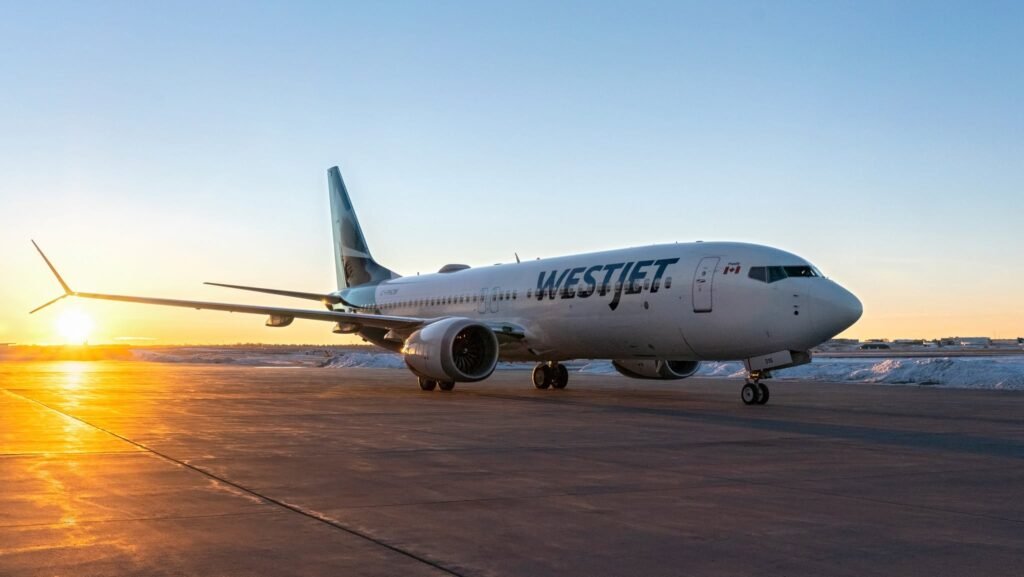
Image: WestJet

Vancouver, Canada: WestJet’s C$4.5 million settlement with female flight attendants in a decade-long sexual harassment class action was approved by the Supreme Court of British Columbia on August 10, 2026, bringing the long-running case closer to an end while requiring the airline to commission an independent workplace assessment into harassment, underreporting and the effectiveness of its reporting systems. 

The settlement covers current and former female WestJet mainline flight attendants who worked between April 4, 2014, and February 28, 2021, and who did not opt out of the class action. The court found the settlement fair, reasonable and in the best interests of the class.

Under the approved agreement, the C$4.5 million settlement fund will first cover court-approved legal fees, disbursements, applicable taxes, settlement administration expenses and an honorarium for representative plaintiff Mandalena Lewis. The remaining amount will be distributed among eligible class members who submit valid claims. The class-action lawyers currently estimate that each eligible claimant who files a valid claim will receive about C$470, although the final amount could change slightly after administration costs are finalized.

The settlement does not include an admission of liability or wrongdoing by WestJet. The airline continues to deny the allegations, and the disputed claims were never determined at trial. WestJet has also not agreed to some of the major forms of relief originally sought by the lawsuit, including mandatory anti-harassment training for pilots, an admission of wrongdoing or an admission that it breached its employment contracts.

Instead, one of the key non-monetary terms requires WestJet to retain an independent and qualified third party to assess the prevalence of workplace harassment, the extent to which harassment is underreported, and how the airline’s systems for reporting and responding to harassment can be made more effective. WestJet must provide employees with a summary of the assessment’s findings.

Deloitte LLP has been appointed as the independent claims administrator and is preparing a secure online claims portal. Eligible class members do not need to submit anything yet. Once the portal is ready, they will receive notice containing the claims link, instructions, the deadline and payment information. Class members will have three months from the date that notice is sent to submit a valid claim. Deloitte is then expected to review and process the claims within up to 60 days after the claims deadline, with approved payments to be made through Interac e-Transfer.

The settlement is not yet final. A mandatory 30-day period follows the court’s August 10 approval before the agreement becomes final.

Lewis, a former WestJet flight attendant, launched the class action in April 2016 after alleging that the airline had failed to uphold its promise to provide female employees with a workplace free from harassment. The case grew out of allegations surrounding an incident involving Lewis and a WestJet pilot during a layover in Maui, Hawaii, in January 2010, when Lewis was 25. According to court-related accounts, Lewis alleged that she was sexually assaulted by the pilot and that another female flight attendant had also been assaulted by the same pilot in 2008.

Lewis alleged that she reported the 2010 incident to WestJet and that the airline’s subsequent investigation was inadequate. She said she received limited information about how the investigation was being conducted and was warned that she could face discipline if she discussed the incident with others. WestJet managers later told her that the pilot had not been terminated following the investigation, although restrictions were placed on his ability to fly to certain destinations and Lewis was not supposed to be scheduled to work with him.

Lewis later learned in August 2015 that another female flight attendant had allegedly reported an assault involving the same pilot in 2008. She argued that if WestJet had properly investigated that earlier complaint and disciplined the pilot, she would not have been assaulted. The allegations formed part of her broader claim that the airline had failed to create and maintain an effective system to prevent and respond to harassment.

Lewis also alleged that after she reported the incident to police in Maui, WestJet rerouted the pilot so that he would not be available to face questioning there. Lewis eventually abandoned an individual civil claim and pursued a class action after learning that other flight attendants had experienced harassment. Her employment with WestJet ended in 2016, with court documents submitted by the airline describing her termination as being for “gross insubordination”; Lewis and her legal team alleged that the termination was retaliation for her efforts to hold WestJet accountable internally. These allegations were disputed and were not established at trial.

Lewis had worked for WestJet from March 2008 until January 2016. In the litigation, she described observing and experiencing inappropriate conduct involving female flight attendants, particularly conduct by pilots. Her legal case, however, was structured primarily as a breach-of-contract claim, rather than as a conventional personal-injury or tort claim. The argument was that WestJet’s anti-harassment commitments were incorporated into employees’ contracts and that the company had failed to implement and maintain an effective harassment-prevention system.

The lawsuit initially faced a major legal obstacle. In December 2017, the B.C. The Supreme Court rejected WestJet’s attempt to strike the claim. WestJet argued, among other things, that the dispute belonged before the Canadian Human Rights Tribunal, that disgorgement was not an available remedy, that the claim amounted to an abuse of process and that Lewis’s action was barred by limitation rules. Justice Humphries rejected those arguments, allowing the case to proceed.

WestJet appealed, but the contractual foundation of the case survived. The B.C. The Court of Appeal ultimately rejected the airline’s jurisdictional argument, holding that an employment contract could provide a legal basis for a court claim even where human-rights legislation also provided avenues of redress. The Supreme Court of Canada did not take up the matter.

The first attempt to certify the matter as a class action was unsuccessful. In 2021, the B.C. The Supreme Court accepted that most of Lewis’s proposed common issues could potentially be addressed collectively but concluded that a class proceeding was not the preferable procedure. The court considered the Canadian Human Rights Tribunal a more practical avenue because it could provide both systemic and individual remedies.

That decision was overturned in significant part by the B.C. Court of Appeal on April 19, 2022. The appellate court certified the class action, finding that the issues surrounding WestJet’s alleged failure to implement and enforce its anti-harassment commitments could be examined collectively. The court rejected the argument that human-rights proceedings were necessarily a preferable alternative to the class action.

The class period was subsequently the subject of another dispute. WestJet sought to shorten the period covered by the certification order to July 31, 2018, when the Canadian Union of Public Employees was certified as the bargaining agent for WestJet flight attendants. In November 2023, the court rejected the attempt to cut off the class period at that point, leaving February 28, 2021, as the end of the class period.

The litigation also reached the disclosure stage. In December 2024, Justice Jacqueline Hughes ordered WestJet to produce harassment-related records covering the class period. The court said the airline had been slow and potentially adversarial in producing documents. WestJet had provided 24 harassment complaints, but internal statistics indicated that significantly more complaints existed. The ruling said some complaints involved sexual harassment and sexual assault.

The court ordered WestJet to produce harassment complaints made by flight attendants during the class period from April 4, 2014, to February 28, 2021, rather than limiting disclosure only to complaints against male pilots involving class members. Justice Hughes did not, however, extend the case to harassment complaints involving WestJet’s entire workforce, finding that the lawsuit concerned the employment contracts of flight attendants.

The disclosure dispute was significant because the court record indicated that WestJet’s internal statistics showed substantially more complaints than the 24 files initially produced. The court also found that the requested documents concerning exit interviews, complaints, the company’s core policies and anti-harassment program, investigations and the people conducting those investigations were relevant to the class action, although documents concerning settlements were excluded from the production order.

The settlement negotiations eventually produced the C$4.5 million agreement. The Guardian reported that the settlement was finalized on June 22, 2026, following months of negotiations, before receiving judicial approval on August 10. The approved settlement covers 3,452 female flight attendants.

The settlement amount became a point of controversy among some class members. Eight women had objected to court approval in February after details of the proposed agreement emerged, arguing that the compensation was too low and that the settlement did not provide sufficient accountability. Lewis herself expressed disappointment after the approval, telling the Guardian that she was glad the litigation was over but was exhausted and “shaking my head.” She said she had been advised that the settlement was the best result that could be achieved as legal expenses continued to accumulate.

Lewis also compared the outcome with WestJet’s separate C$12.5 million baggage-fee class-action settlement, which was nearly three times larger. She said the outcome did not amount to the justice she had sought, telling, “We didn’t get justice here.”

The settlement nevertheless provides a structural measure beyond the monetary payment. The independent workplace assessment is intended to examine whether harassment is occurring, how frequently employees may be failing to report it and whether existing mechanisms for reporting and responding to complaints are effective. WestJet will be required to provide employees with a summary of the findings.

WestJet said it was pleased to have reached a mutually agreed settlement. In a statement, the airline said it remained committed to strengthening its operations and training, with a focus on the safety and wellbeing of its employees, and on advancing a culture of empowerment.

With the August 10 approval, the litigation has moved from the courtroom dispute over WestJet’s alleged anti-harassment obligations to the implementation of the settlement. The agreement must pass the 30-day finalization period, after which Deloitte will begin processing eligible claims once the claims process opens. The class-action website says the claims portal and exact deadline will be published when the process begins.

Leave a Comment

Subscribe to our Newsletter

Recent News

Aviation Today Perspectives