News
Civil Aviation
Pilot Training
Flight School Analysis
Aviation Jobs
Training
Services
About Us
Contact Us

Air India A320neo Reportedly Suffered Three Hydraulic Failures During Phuket-Delhi Flight

Picture of Aviation Today News Desk

Aviation Today News Desk

New Delhi, India: Air India’s A320neo operating flight AI2379 from Phuket to Delhi suffered multiple technical and mechanical glitches, including three hydraulic-system failures, an autopilot disconnect and a flight-control stall warning before suddenly losing around 300 feet in altitude, according to information reported by PTI, citing sources. The aircraft encountered turbulence during the August 4 incident, which left 17 people injured. The aircraft, an Airbus A320neo registered VT-EXO, was cruising from Phuket, Thailand, to Delhi when the sudden altitude loss occurred. According to PTI, the autopilot disconnected during the flight, after which the co-pilot manually regained control. A flight-control stall warning then appeared, while several indicator switches briefly went off. Sources also told PTI that the aircraft experienced multiple other technical and mechanical glitches alongside the turbulence. The latest information indicates that the aircraft experienced three separate hydraulic failures. Hydraulic systems use pressurised fluid to operate critical aircraft components, including flight-control systems, making the reported failures a significant part of the ongoing investigation. The crew managed to stabilise the aircraft and subsequently continued the flight to Delhi, where it landed safely. Air India said the aircraft experienced a sudden loss of altitude during cruise before stabilising and continuing normally to Delhi. The flight carried 137 passengers, including three infants, and eight crew members. At least 17 people, 13 passengers and four crew members were reported injured and taken for medical evaluation. The Aircraft Accident Investigation Bureau (AAIB) is investigating the occurrence as a serious incident under ICAO Annex 13, which governs aircraft accident and incident investigations. The aircraft’s flight data recorder and cockpit voice recorder have been secured for examination as investigators work to establish what triggered the altitude loss and the reported technical problems. Airbus has confirmed that it is sending specialists to India to provide technical assistance to the investigation. The manufacturer said it was supporting the relevant investigating authorities in accordance with ICAO Annex 13. France’s Bureau of Enquiry and Analysis for Civil Aviation Safety (BEA) is also joining the investigation because the A320 is manufactured in France. Teams from Airbus and BEA are expected to assist the AAIB as investigators examine the aircraft and recorded flight data. The latest technical findings remain preliminary and have not been established as the final cause of the incident. The reported triple hydraulic failures and other malfunctions are based on sources cited by PTI; they are not yet findings formally released by the AAIB. The investigation is continuing, with technical specialists expected to examine the aircraft’s systems and recorded data before any conclusions are reached. A separate line of investigation concerns the pilot-in-command’s post-flight psychoactive-substance screening. The Civil Aviation Ministry said an initial screening result was “not negative” and required confirmatory laboratory testing. The pilot’s sample was subsequently sent for further analysis, and the final confirmatory result was still awaited in the latest reports. The ministry has not disclosed what substance, if any, was indicated by the initial screening. The distinction is important because an initial “not negative” screening result does not by itself establish drug use. The pilots’ body, ALPA India, has said that commonly used over-the-counter medicines can also produce a non-negative result in psychoactive-substance screening. The confirmatory laboratory test is therefore expected to determine whether the initial result was caused by a prohibited substance or another factor. Both pilots have been taken off flying duties pending the investigation, according to reporting on the ministry’s action. Air India has said it was aware that post-flight screening had been conducted under applicable procedures but had not initially been informed of the results. The final laboratory findings remain an important part of determining whether the screening result has any connection to the August 4 occurrence. The incident was initially widely described as a severe-turbulence event after passengers and crew were thrown from their seats during the sudden altitude change. The newer information from PTI, however, adds a series of reported technical malfunctions including autopilot disconnection, a flight-control stall warning, briefly extinguished indicators and three hydraulic failures to the investigation. Whether these issues caused, contributed to or merely coincided with the altitude loss remains to be established by the AAIB probe. For now, the cause remains officially undetermined. Investigators are examining the aircraft’s systems, flight-recorded data, cockpit recordings and other evidence, with Airbus and France’s BEA assisting the AAIB. The outcome of the pilot’s confirmatory psychoactive-substance test is also awaited. Until those investigations are completed, the reported technical failures and the initial screening result should not be treated as established causes of the incident.
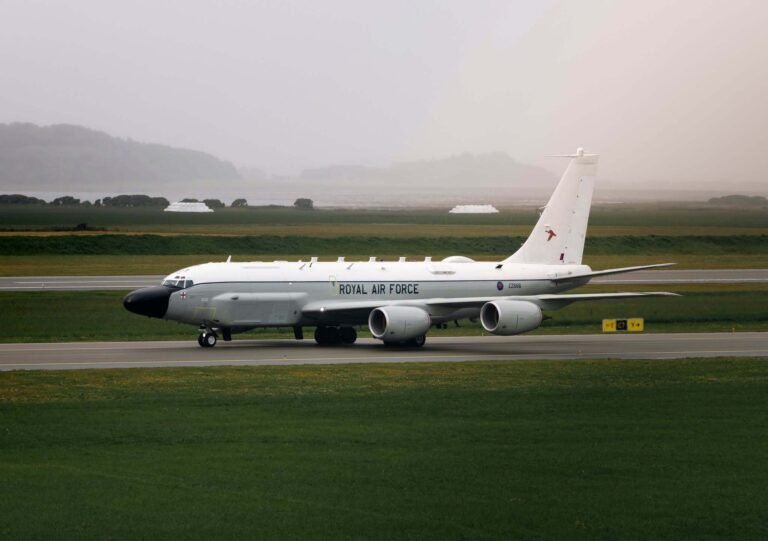
Image: NDTV

New Delhi, India: Air India’s A320neo operating flight AI2379 from Phuket to Delhi suffered multiple technical and mechanical glitches, including three hydraulic-system failures, an autopilot disconnect and a flight-control stall warning before suddenly losing around 300 feet in altitude, according to information reported by PTI, citing sources. The aircraft encountered turbulence during the August 4 incident, which left 17 people injured.

The aircraft, an Airbus A320neo registered VT-EXO, was cruising from Phuket, Thailand, to Delhi when the sudden altitude loss occurred. According to PTI, the autopilot disconnected during the flight, after which the co-pilot manually regained control. A flight-control stall warning then appeared, while several indicator switches briefly went off. Sources also told PTI that the aircraft experienced multiple other technical and mechanical glitches alongside the turbulence.

The latest information indicates that the aircraft experienced three separate hydraulic failures. Hydraulic systems use pressurised fluid to operate critical aircraft components, including flight-control systems, making the reported failures a significant part of the ongoing investigation. The crew managed to stabilise the aircraft and subsequently continued the flight to Delhi, where it landed safely.

Air India said the aircraft experienced a sudden loss of altitude during cruise before stabilising and continuing normally to Delhi. The flight carried 137 passengers, including three infants, and eight crew members. At least 17 people, 13 passengers and four crew members were reported injured and taken for medical evaluation.

The Aircraft Accident Investigation Bureau (AAIB) is investigating the occurrence as a serious incident under ICAO Annex 13, which governs aircraft accident and incident investigations. The aircraft’s flight data recorder and cockpit voice recorder have been secured for examination as investigators work to establish what triggered the altitude loss and the reported technical problems.

Airbus has confirmed that it is sending specialists to India to provide technical assistance to the investigation. The manufacturer said it was supporting the relevant investigating authorities in accordance with ICAO Annex 13. France’s Bureau of Enquiry and Analysis for Civil Aviation Safety (BEA) is also joining the investigation because the A320 is manufactured in France. Teams from Airbus and BEA are expected to assist the AAIB as investigators examine the aircraft and recorded flight data.

The latest technical findings remain preliminary and have not been established as the final cause of the incident. The reported triple hydraulic failures and other malfunctions are based on sources cited by PTI; they are not yet findings formally released by the AAIB. The investigation is continuing, with technical specialists expected to examine the aircraft’s systems and recorded data before any conclusions are reached.

A separate line of investigation concerns the pilot-in-command’s post-flight psychoactive-substance screening. The Civil Aviation Ministry said an initial screening result was “not negative” and required confirmatory laboratory testing. The pilot’s sample was subsequently sent for further analysis, and the final confirmatory result was still awaited in the latest reports. The ministry has not disclosed what substance, if any, was indicated by the initial screening.

The distinction is important because an initial “not negative” screening result does not by itself establish drug use. The pilots’ body, ALPA India, has said that commonly used over-the-counter medicines can also produce a non-negative result in psychoactive-substance screening. The confirmatory laboratory test is therefore expected to determine whether the initial result was caused by a prohibited substance or another factor.

Both pilots have been taken off flying duties pending the investigation, according to reporting on the ministry’s action. Air India has said it was aware that post-flight screening had been conducted under applicable procedures but had not initially been informed of the results. The final laboratory findings remain an important part of determining whether the screening result has any connection to the August 4 occurrence.

The incident was initially widely described as a severe-turbulence event after passengers and crew were thrown from their seats during the sudden altitude change. The newer information from PTI, however, adds a series of reported technical malfunctions including autopilot disconnection, a flight-control stall warning, briefly extinguished indicators and three hydraulic failures to the investigation. Whether these issues caused, contributed to or merely coincided with the altitude loss remains to be established by the AAIB probe.

For now, the cause remains officially undetermined. Investigators are examining the aircraft’s systems, flight-recorded data, cockpit recordings and other evidence, with Airbus and France’s BEA assisting the AAIB. The outcome of the pilot’s confirmatory psychoactive-substance test is also awaited. Until those investigations are completed, the reported technical failures and the initial screening result should not be treated as established causes of the incident.


Leave a Comment

Subscribe to our Newsletter

Recent News

Aviation Today Perspectives