Seoul, South Korea: Hyundai Motor Group and Korea Aerospace Industries (KAI) have taken a significant step toward developing South Korea’s next-generation Advanced Air Mobility (AAM) ecosystem after signing a Memorandum of Understanding (MoU) to jointly develop an electric-powered aircraft, combining Hyundai’s electrified propulsion expertise with KAI’s decades of aircraft development experience.
According to a subsequent report by KED Global, the partners are now targeting 2034 for the commercial launch of their jointly developed AAM aircraft, marking a shift from Hyundai’s earlier standalone roadmap through its U.S.-based AAM subsidiary, Supernal. The report said the two companies have decided to consolidate their individual development efforts under a unified national program aimed at accelerating South Korea’s position in the emerging air mobility sector.
The collaboration, announced on May 10, 2026, brings together Hyundai Motor Group’s expertise in electric propulsion systems and vehicle electrification with KAI’s capabilities in aircraft design, manufacturing, certification and aerospace engineering. Under the agreement, Supernal and KAI will jointly develop the aircraft platform, while Hyundai Motor Group’s Aviation Powertrain Division will work with KAI to commercialize electric aviation powertrains for future aircraft.
Beyond aircraft development, the two companies will cooperate on certification activities, supply-chain development, technology exchange, talent sharing and expanding global customer networks areas regarded as critical for bringing commercial AAM services to market.
Hyundai said the partnership represents an important milestone in extending mobility beyond roads into the skies by leveraging technologies already developed for its electric vehicle portfolio. KAI, meanwhile, views the collaboration as an opportunity to expand beyond its traditional military and aerospace business into the emerging civil Advanced Air Mobility market.
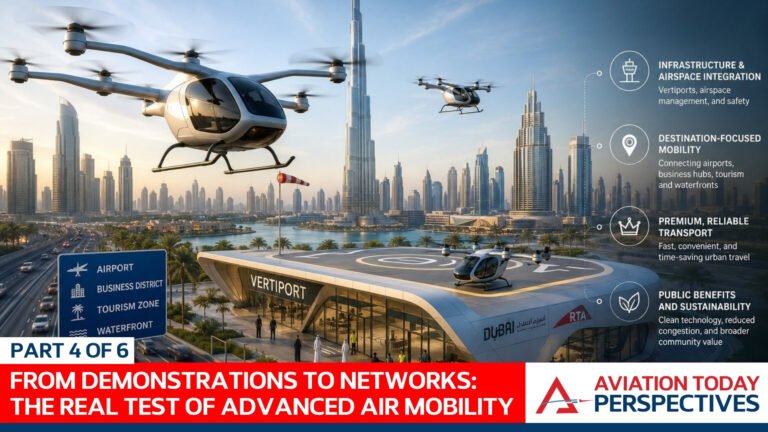
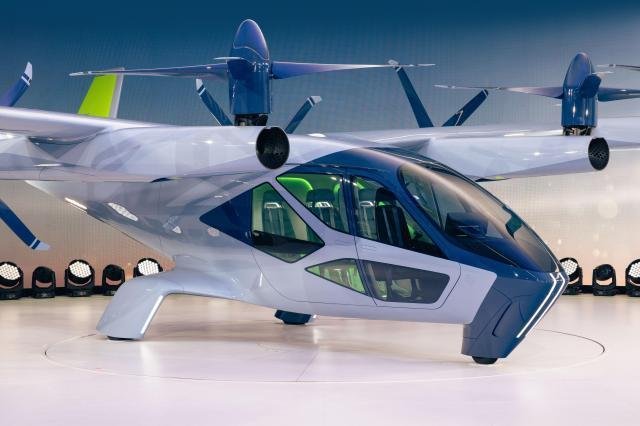
The partnership also reflects a strategic evolution of Hyundai’s AAM ambitions. Through Supernal, Hyundai previously unveiled the S-A2 electric vertical take-off and landing (eVTOL) aircraft concept and had been pursuing aircraft development independently. The latest agreement integrates Supernal’s design and engineering capabilities with KAI’s aerospace manufacturing experience, creating a broader industrial collaboration intended to strengthen South Korea’s competitiveness in the global AAM market.
While Hyundai’s official announcement does not specify a commercialization date, KED Global reported that the partners are working toward a 2034 launch of the jointly developed aircraft. If achieved, the program would represent one of South Korea’s most ambitious civil aerospace initiatives and could establish a domestically developed AAM platform capable of competing in the global urban air mobility market.
Since the MoU was signed, neither Hyundai Motor Group nor KAI has announced additional technical milestones, prototype unveilings or flight-test schedules. However, both companies have reaffirmed that their cooperation will extend beyond aircraft development to include certification, production readiness and commercialization activities required to support future AAM operations.