News
Civil Aviation
Pilot Training
Flight School Analysis
Aviation Jobs
Training
Services
About Us
Contact Us

American Airlines Aborts Takeoff At Miami After Unauthorised Jet Crosses Active Runway

Picture of Aviation Today News Desk

Aviation Today News Desk

Miami, United States: An American Airlines flight bound for Bermuda aborted its takeoff at Miami International Airport after a business jet entered the active runway without authorization, prompting pilots to reject the departure and averting what could have become a serious runway collision. The incident occurred at approximately 6:00 p.m. local time on Friday, June 26, when American Airlines Flight 308, an Airbus A319 operating from Miami to Bermuda, had already been cleared for takeoff from Runway 8R. The aircraft was carrying 112 passengers and had accelerated to about 60 mph (approximately 52 knots) when the flight crew spotted another aircraft crossing the runway ahead. The crew immediately initiated a rejected takeoff, bringing the aircraft to a safe stop. According to the Federal Aviation Administration (FAA), the two aircraft came within approximately one-third of a mile (530 metres) of each other before the American Airlines pilots successfully avoided a potential collision. The second aircraft involved was NetJets Flight EJA434, a business jet that was being operated by a third-party maintenance vendor at the time of the incident. NetJets later clarified that the aircraft was not under the company's operational control during the runway incursion. Air traffic control (ATC) recordings revealed confusion over runway crossing instructions immediately after the incident. The controller told the business jet crew, "You just crossed an active runway." The pilot responded, "You just told me to cross the runway, sir." The controller replied, "No, we said Amerijet 461," indicating that the clearance had been issued to another aircraft rather than the NetJets-operated jet. The FAA confirmed that the business jet entered the runway without authorization and has launched an investigation into the runway incursion. American Airlines said in a statement that Flight 308 discontinued its takeoff after the crew observed another aircraft on the runway and thanked its pilots for their quick response. No injuries were reported among the 112 passengers or crew members aboard the American Airlines aircraft, and no injuries were reported to those aboard the business jet. The FAA has not publicly disclosed how many people were on board the business jet. Following the incident, Flight 308 remained on the ground while inspections were carried out before departing approximately two to two-and-a-half hours later. The aircraft subsequently arrived safely in Bermuda at about 11:40 p.m. local time. In a separate aviation safety incident the same day, a United Airlines Boeing 737 operating Flight 1513 from Key West, Florida, to Newark Liberty International Airport reported a near collision with a drone while descending toward Newark. The aircraft, carrying 106 passengers and five crew members, was at approximately 2,000 feet when the flight crew reported that they had "almost hit a drone," estimating it passed roughly 100 feet below the aircraft's flight path. Another pilot approaching Newark also reported seeing the drone. The flight landed safely, passengers deplaned normally, and no injuries were reported. The FAA has opened an investigation and reiterated that unauthorized drone operations near airports pose significant safety risks and may result in substantial fines or criminal penalties.
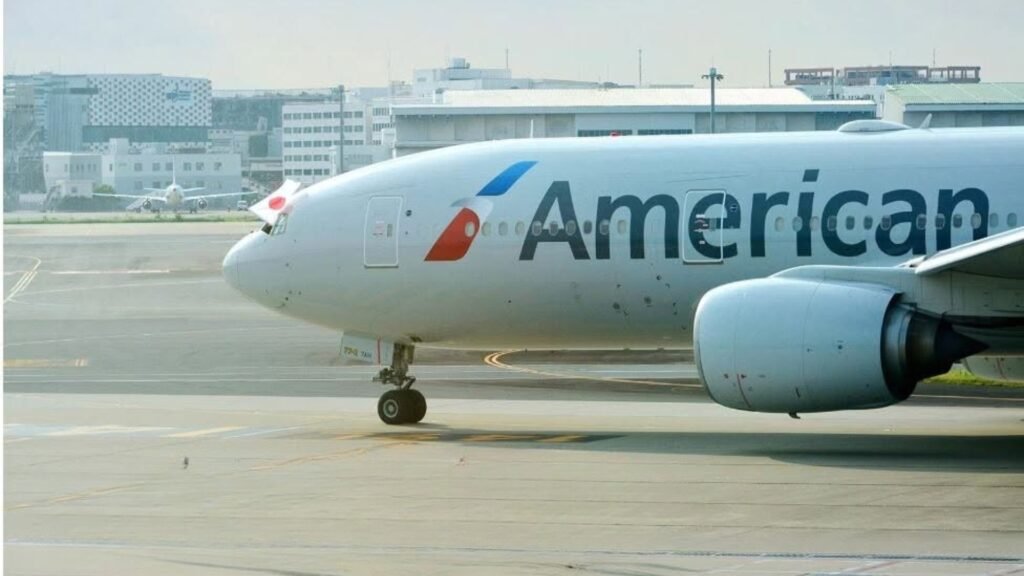
Image: American Airlines

Miami, United States: An American Airlines flight bound for Bermuda aborted its takeoff at Miami International Airport after a business jet entered the active runway without authorization, prompting pilots to reject the departure and averting what could have become a serious runway collision.

The incident occurred at approximately 6:00 p.m. local time on Friday, June 26, when American Airlines Flight 308, an Airbus A319 operating from Miami to Bermuda, had already been cleared for takeoff from Runway 8R. The aircraft was carrying 112 passengers and had accelerated to about 60 mph (approximately 52 knots) when the flight crew spotted another aircraft crossing the runway ahead.

The crew immediately initiated a rejected takeoff, bringing the aircraft to a safe stop. According to the Federal Aviation Administration (FAA), the two aircraft came within approximately one-third of a mile (530 metres) of each other before the American Airlines pilots successfully avoided a potential collision.

The second aircraft involved was NetJets Flight EJA434, a business jet that was being operated by a third-party maintenance vendor at the time of the incident. NetJets later clarified that the aircraft was not under the company’s operational control during the runway incursion.

Air traffic control (ATC) recordings revealed confusion over runway crossing instructions immediately after the incident.

The controller told the business jet crew, “You just crossed an active runway.” The pilot responded, “You just told me to cross the runway, sir.” The controller replied, “No, we said Amerijet 461,” indicating that the clearance had been issued to another aircraft rather than the NetJets-operated jet.

The FAA confirmed that the business jet entered the runway without authorization and has launched an investigation into the runway incursion.

American Airlines said in a statement that Flight 308 discontinued its takeoff after the crew observed another aircraft on the runway and thanked its pilots for their quick response.

No injuries were reported among the 112 passengers or crew members aboard the American Airlines aircraft, and no injuries were reported to those aboard the business jet. The FAA has not publicly disclosed how many people were on board the business jet.

Following the incident, Flight 308 remained on the ground while inspections were carried out before departing approximately two to two-and-a-half hours later. The aircraft subsequently arrived safely in Bermuda at about 11:40 p.m. local time.

In a separate aviation safety incident the same day, a United Airlines Boeing 737 operating Flight 1513 from Key West, Florida, to Newark Liberty International Airport reported a near collision with a drone while descending toward Newark.

The aircraft, carrying 106 passengers and five crew members, was at approximately 2,000 feet when the flight crew reported that they had “almost hit a drone,” estimating it passed roughly 100 feet below the aircraft’s flight path. Another pilot approaching Newark also reported seeing the drone.

The flight landed safely, passengers deplaned normally, and no injuries were reported. The FAA has opened an investigation and reiterated that unauthorized drone operations near airports pose significant safety risks and may result in substantial fines or criminal penalties.


Leave a Comment

Subscribe to our Newsletter

Recent News