Madrid, Spain: The International Air Transport Association (IATA) has warned that growing bottlenecks in the maintenance, repair and overhaul (MRO) of next-generation aircraft engines are placing increasing pressure on airlines worldwide, urging immediate industry-wide action to prevent further disruption as global fleets continue to expand.
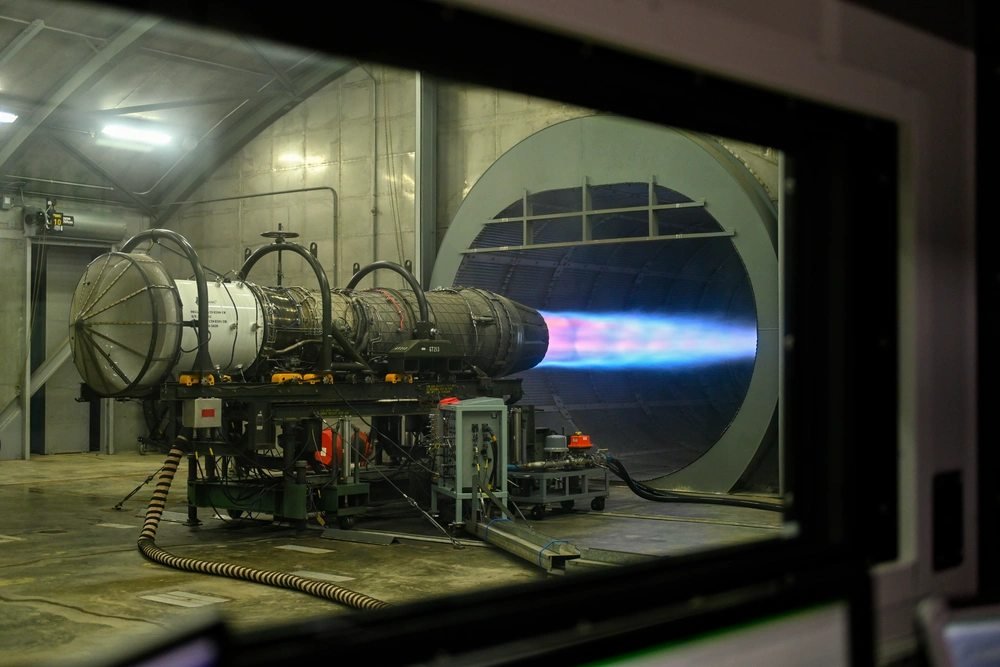
The warning accompanies a new study released by IATA in partnership with consulting firm Emerton, titled Single Aisle Aircraft Engines MRO: Strategic Levers to Address Supply Chain Challenges. The report examines the mounting challenges affecting the maintenance ecosystem for the latest-generation single-aisle aircraft engines, particularly CFM International’s LEAP engine family and Pratt & Whitney’s Geared Turbofan (GTF) engines.
According to the study, a combination of engine durability concerns, shortages of spare parts, limited availability of spare engines and restricted access to the aftermarket repair sector has significantly disrupted airline operations. The resulting pressures have reduced engine time on wing, increased demand for engine shop visits and complicated maintenance planning for carriers across the globe.
The report highlights the scale of the challenge by pointing to the Pratt & Whitney GTF fleet, where the number of grounded aircraft reached a peak in March 2025. At that time, 648 GTF-powered aircraft equivalent to approximately 28% of the global GTF fleet were out of service while awaiting maintenance slots, replacement engines or critical spare parts. Airlines affected by the disruptions were forced to modify fleet strategies by retaining older aircraft longer than planned, extending existing lease agreements, securing additional leased aircraft and adjusting operational capacity.
IATA cautioned that the problem is likely to intensify over the coming decade as airlines continue to take delivery of large numbers of fuel-efficient narrowbody aircraft. In 2024 alone, manufacturers delivered approximately 2,000 single-aisle engines, including around 800 GTF engines and 1,200 LEAP engines. Between 2030 and 2040, annual deliveries are expected to remain at roughly 3,700 engines per year, consisting of approximately 1,200 GTF engines and 2,500 LEAP engines annually.
As these fleets grow, engine maintenance requirements are expected to increase dramatically. The study forecasts annual LEAP engine shop visits will rise from roughly 600–800 visits in 2025 to more than 5,000 by 2040. For Pratt & Whitney’s GTF engines, annual shop visits are projected to increase from approximately 1,000 in 2025 to over 2,000 by 2040.
Commenting on the findings, Willie Walsh, IATA’s Director General, said current MRO constraints are already affecting airline operations and warned that the situation will worsen without significant structural changes.
While engine manufacturers are investing in additional maintenance capacity, Walsh stressed that capacity expansion alone will not solve the problem. Instead, airlines require improved access to spare parts, a wider range of approved repair solutions, fair access to maintenance capacity and greater competition within the aftermarket sector.
To address the crisis, the study identifies several strategic actions that stakeholders across the aviation value chain can implement.
One recommendation focuses on increasing the availability of engine components. The report calls for accelerated development and regulatory approval of repair solutions that can reduce component scrappage rates. It also advocates expanding licensed production of critical parts and increasing access to used serviceable material recovered from engine teardowns.
Another priority is improving access to the MRO market by removing barriers that limit participation by independent maintenance providers. IATA argues that third-party MRO companies should have fair access to parts, repair information and specialized tooling needed to expand maintenance capacity. The association pointed to its agreement with CFM International, originally signed in 2018 and renewed in January 2026, as an example of a framework that supports customer choice, regulator-approved non-OEM parts and repairs, and equitable access for independent MRO providers.
The report also urges airlines and lessors to incorporate long-term spare parts access provisions into future aircraft and engine acquisition agreements. Such arrangements would help provide predictable pricing and ensure that operators can transfer access rights to their preferred maintenance providers, including independent MRO organizations.
In addition, IATA is calling on original equipment manufacturers across the engine, airframe and component sectors to adopt transparent and competitive aftermarket practices. These measures would support customer choice and facilitate the use of regulator-approved alternative parts and repair solutions.
The association emphasized that solving the problem will require coordinated action from airlines, aircraft manufacturers, engine manufacturers, lessors and maintenance providers. According to IATA, improving parts availability, expanding repair options and aligning maintenance capacity more closely with airline operational requirements are essential to strengthening supply chain resilience.
Walsh noted that addressing today’s disruptions remains the industry’s immediate priority but argued that long-term resilience will depend on creating a more transparent, competitive and collaborative aftermarket environment. He said the relationship between aircraft manufacturers and engine manufacturers must evolve to better support operational resilience throughout an aircraft’s lifecycle, ultimately helping airlines return engines to service more quickly and reducing avoidable operational disruptions.
The findings were released during IATA’s inaugural World Maintenance and Engineering Symposium in Madrid, where the organization has been highlighting broader aviation supply chain challenges facing the global industry.