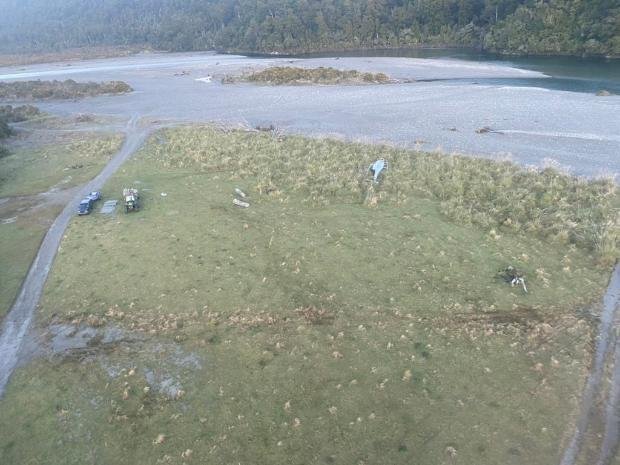
Paringa, New Zealand: A loose maintenance bolt that detached during flight caused an Airbus AS350BA helicopter to become increasingly difficult to control before it crashed near the Paringa River mouth on New Zealand’s West Coast, according to final findings released by the Transport Accident Investigation Commission (TAIC).
The accident occurred on July 20, 2024, while an Amuri Helicopters Airbus AS350BA, registration ZK-HJM, was being flown from Queenstown to Franz Josef following maintenance work performed at Queenstown Aerodrome. The helicopter was carrying a pilot and one passenger. Both occupants sustained minor injuries and were transported to hospital, while the aircraft suffered substantial damage.
According to the investigation, engineers from Salus Aviation had swapped the helicopter’s left and right hydraulic servo actuators during scheduled maintenance. However, a critical securing bolt on the lower attachment point of the left-hand hydraulic servo actuator was not properly secured before the aircraft was returned to service.
Investigators determined that the associated nut had not been tightened to the required torque and that a locking pin was either missing or incorrectly installed. Although the work was subject to a mandatory duplicate inspection by a second engineer, the defect went undetected.
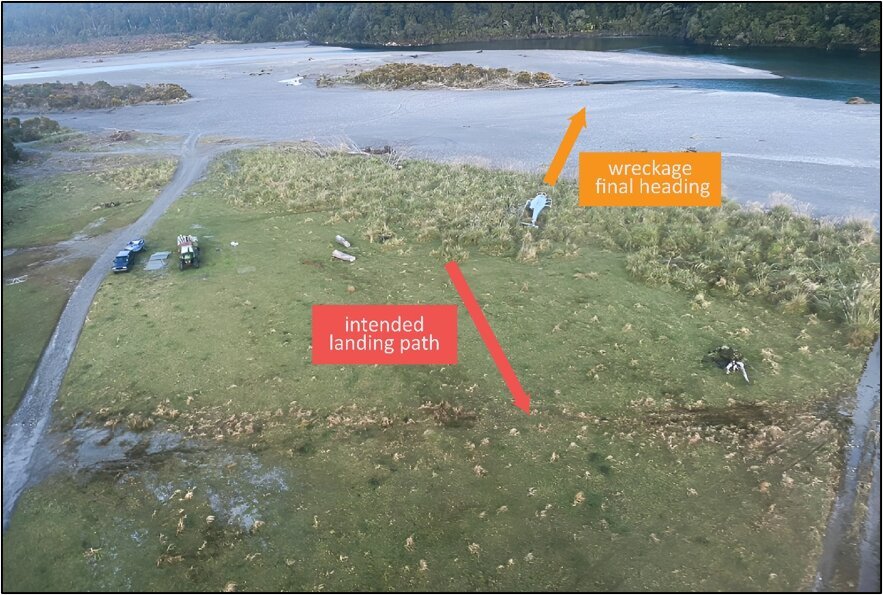
Approximately 52 minutes into the flight, the pilot felt a sudden jolt and observed abnormal main rotor blade tracking. Seven minutes later, concerned by the abnormal indications, the pilot initiated a precautionary landing. During the descent, cyclic control forces increased significantly, particularly when attempting left control inputs.
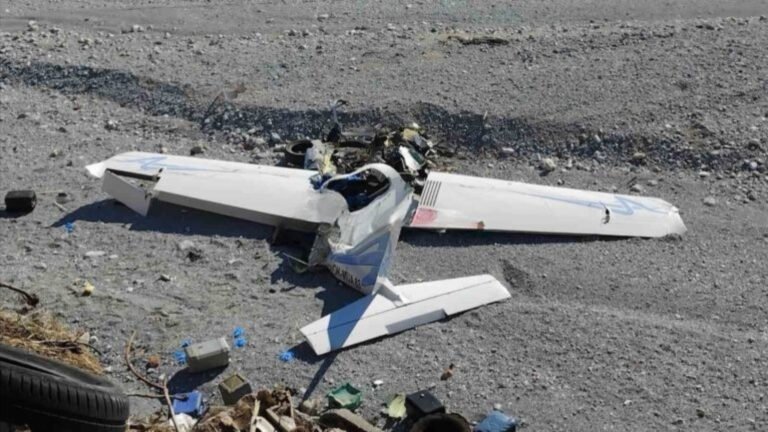
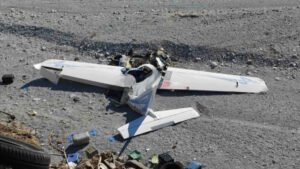
As the helicopter descended to between three and seven metres above the ground, it rolled and collided with terrain before coming to rest on its left side.
TAIC found that the securing bolt eventually detached completely during the flight, significantly limiting the pilot’s control of the helicopter.
The investigation identified several human-factor issues that contributed to the maintenance error. The engineer responsible for the task was reportedly distracted by both a customer interaction and a hydraulic fluid spill while performing the work. Investigators also found the engineer was working under time pressure ahead of a planned holiday and did not sufficiently verify the maintenance task before completion.
The second engineer responsible for the duplicate safety inspection also failed to identify the improperly secured hardware. The engineer told investigators they could not explain why the defect was missed but acknowledged experiencing broken sleep at the time, which may have affected performance.
Following the accident, Salus Aviation conducted an internal investigation and implemented a series of corrective actions. The company temporarily removed the involved engineers from release-to-service inspection duties, introduced additional training, strengthened inspection and documentation procedures, implemented independent post-maintenance inspections, and established regular assurance audits. Measures aimed at reducing workplace distractions and improving engineering oversight were also introduced.
TAIC concluded that the maintenance provider had adequately addressed the safety deficiencies identified during the investigation. As a result, the Commission did not issue any formal safety recommendations.