News
Civil Aviation
Pilot Training
Flight School Analysis
Aviation Jobs
Training
Services
About Us
Contact Us

Eight Crew Members Killed After USAF B-52 Crashes During Test Flight Near Edwards AFB

Picture of Aviation Today News Desk

Aviation Today News Desk

Edwards, United States: A U.S. Air Force Boeing B-52 Stratofortress crashed shortly after takeoff from Edwards Air Force Base in California on June 15, 2026, killing all eight people onboard during what officials described as a routine test mission linked to the bomber fleet’s radar modernization program. The aircraft went down at approximately 11:20 a.m. local time in the Mojave Desert shortly after departing Edwards AFB. Emergency crews responded immediately to the crash site, but Air Force officials later confirmed that the accident was not survivable and all eight occupants perished. The crash temporarily halted flight operations at the base while emergency response and recovery efforts were underway. According to the U.S. Air Force, the aircraft was assigned to the 412th Test Wing at Edwards Air Force Base and was participating in testing associated with the B-52 radar modernization effort. The modernization program is aimed at equipping the long-serving strategic bomber with a new Active Electronically Scanned Array (AESA) radar as part of a broader upgrade package intended to keep the aircraft operational for decades to come. The bomber carried eight people onboard, a larger complement than a standard operational B-52 crew due to its role as a test aircraft. Officials stated that those aboard included a mix of military personnel, government civilian employees and contractor personnel involved in the test mission. Boeing confirmed that two of its employees were among those killed in the accident. Authorities have not yet publicly released the identities of the victims pending family notifications. Images and video from the scene showed a large burn scar in the desert and thick black smoke rising from the crash site. Witness footage circulating online indicated the aircraft was destroyed by the impact and post-crash fire. Reports from the scene suggested little recognizable wreckage remained following the accident. The cause of the crash remains unknown. Air Force officials have launched a formal accident investigation to determine what led to the loss of the aircraft. Investigators are expected to examine flight data, maintenance records, mission objectives, weather conditions and any available witness accounts. Officials cautioned that determining the cause could take several months. No evidence has been released indicating mechanical failure, pilot error, engine malfunction or any other specific cause. The B-52 Stratofortress, manufactured by Boeing, first entered service with the U.S. Air Force in the 1950s and remains a key component of America's long-range strategic bomber force. The aircraft is capable of carrying both conventional and nuclear weapons and continues to serve worldwide despite its age through an extensive modernization program. The accident marks the first B-52 crash since 2016, when another Stratofortress was destroyed following an aborted takeoff at Andersen Air Force Base in Guam. In that event, all crew members survived. The Edwards accident is among the deadliest B-52 losses in recent decades and represents a major setback for the Air Force’s ongoing bomber modernization efforts. Edwards Air Force Base, located in California's Mojave Desert, is one of the world's premier military flight-test centers and has played a central role in the development and evaluation of numerous U.S. military aircraft programs. The base is historically known as the site from which many groundbreaking aviation test flights have been conducted. The investigation is ongoing, and additional details, including the identities of those killed and any preliminary findings regarding the cause of the crash, are expected to be released in the coming days and weeks.
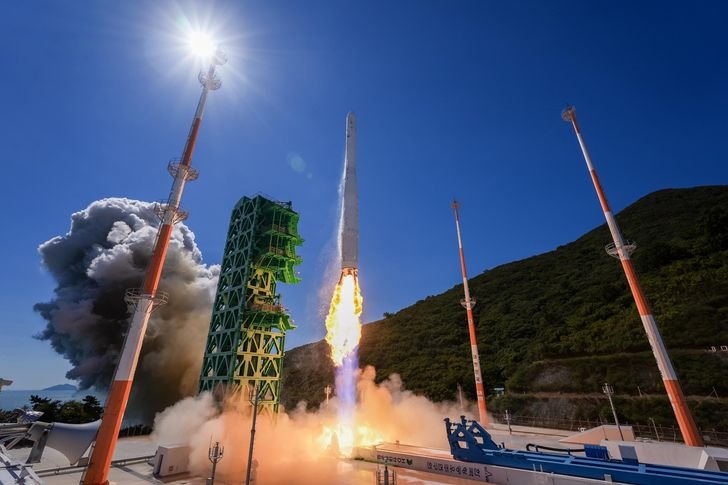
Image: Airman 1st Class Victor J. Caputo (Flickr)

Edwards, United States: A U.S. Air Force Boeing B-52 Stratofortress crashed shortly after takeoff from Edwards Air Force Base in California on June 15, 2026, killing all eight people onboard during what officials described as a routine test mission linked to the bomber fleet’s radar modernization program.

The aircraft went down at approximately 11:20 a.m. local time in the Mojave Desert shortly after departing Edwards AFB. Emergency crews responded immediately to the crash site, but Air Force officials later confirmed that the accident was not survivable and all eight occupants perished. The crash temporarily halted flight operations at the base while emergency response and recovery efforts were underway.

According to the U.S. Air Force, the aircraft was assigned to the 412th Test Wing at Edwards Air Force Base and was participating in testing associated with the B-52 radar modernization effort. The modernization program is aimed at equipping the long-serving strategic bomber with a new Active Electronically Scanned Array (AESA) radar as part of a broader upgrade package intended to keep the aircraft operational for decades to come.

The bomber carried eight people onboard, a larger complement than a standard operational B-52 crew due to its role as a test aircraft. Officials stated that those aboard included a mix of military personnel, government civilian employees and contractor personnel involved in the test mission. Boeing confirmed that two of its employees were among those killed in the accident.

Authorities have not yet publicly released the identities of the victims pending family notifications.

Images and video from the scene showed a large burn scar in the desert and thick black smoke rising from the crash site. Witness footage circulating online indicated the aircraft was destroyed by the impact and post-crash fire. Reports from the scene suggested little recognizable wreckage remained following the accident. The cause of the crash remains unknown.

Air Force officials have launched a formal accident investigation to determine what led to the loss of the aircraft. Investigators are expected to examine flight data, maintenance records, mission objectives, weather conditions and any available witness accounts. Officials cautioned that determining the cause could take several months.

No evidence has been released indicating mechanical failure, pilot error, engine malfunction or any other specific cause. The B-52 Stratofortress, manufactured by Boeing, first entered service with the U.S. Air Force in the 1950s and remains a key component of America’s long-range strategic bomber force. The aircraft is capable of carrying both conventional and nuclear weapons and continues to serve worldwide despite its age through an extensive modernization program.

The accident marks the first B-52 crash since 2016, when another Stratofortress was destroyed following an aborted takeoff at Andersen Air Force Base in Guam. In that event, all crew members survived. The Edwards accident is among the deadliest B-52 losses in recent decades and represents a major setback for the Air Force’s ongoing bomber modernization efforts.

Edwards Air Force Base, located in California’s Mojave Desert, is one of the world’s premier military flight-test centers and has played a central role in the development and evaluation of numerous U.S. military aircraft programs. The base is historically known as the site from which many groundbreaking aviation test flights have been conducted.

The investigation is ongoing, and additional details, including the identities of those killed and any preliminary findings regarding the cause of the crash, are expected to be released in the coming days and weeks.


Leave a Comment

Subscribe to our Newsletter

Recent News