News
Civil Aviation
Pilot Training
Flight School Analysis
Aviation Jobs
Training
Services
About Us
Contact Us

Air Arabia Flight Returns To Trivandrum After Bird Strike Damages Engine During Takeoff

Picture of Aviation Today News Desk

Aviation Today News Desk

Thiruvananthapuram, India: An Air Arabia flight bound for Sharjah was forced to return to Thiruvananthapuram International Airport shortly after departure on Wednesday after a bird strike damaged one of the aircraft's engines, prompting an emergency landing. The flight, Air Arabia G9 449, departed Thiruvananthapuram at 4:49 a.m. with 166 people on board, including passengers and crew members. According to airport authorities, the aircraft encountered multiple bird strikes during its initial climb after takeoff. The impact reportedly affected the engine section of the aircraft, damaging fan blades inside one of the engines. Flight crew received a cockpit warning indicating engine damage shortly after the bird strike occurred. Following the alert, the pilots informed Air Traffic Control (ATC) and requested priority handling to return to the airport. Air traffic controllers subsequently adjusted the movement schedules of other arriving and departing flights and cleared the aircraft for an immediate emergency landing. The aircraft landed safely without further incident. No injuries were reported among passengers or crew. Subsequent inspections determined that the aircraft could not continue its scheduled flight to Sharjah due to the damage sustained during the bird strike. Airport officials declared the aircraft unserviceable pending further technical evaluation and repairs. Passengers were accommodated in hotels while Air Arabia worked on alternative arrangements and recovery plans. Airport authorities said the damaged aircraft would require assessment by a technical team arriving from Sharjah before repair work could begin. The extent of the damage and the expected timeline for returning the aircraft to service have not yet been disclosed. The incident is under review by airport and airline officials. Further details regarding repairs and passenger re-accommodation are expected once the technical inspection is completed.
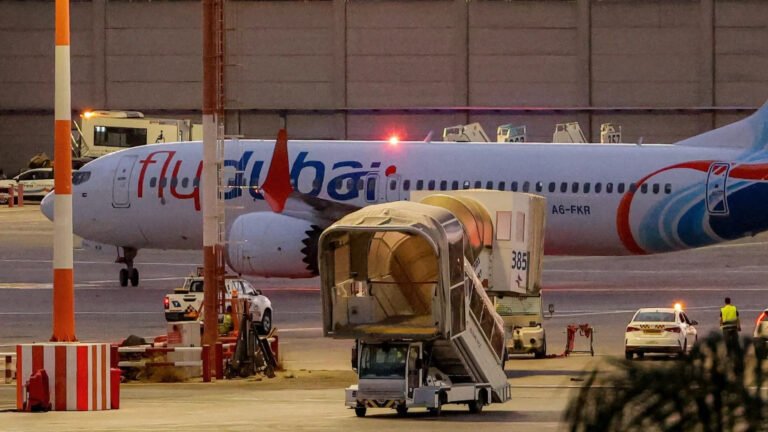
Image: Air Arabia

Thiruvananthapuram, India: An Air Arabia flight bound for Sharjah was forced to return to Thiruvananthapuram International Airport shortly after departure on Wednesday after a bird strike damaged one of the aircraft’s engines, prompting an emergency landing.

The flight, Air Arabia G9 449, departed Thiruvananthapuram at 4:49 a.m. with 166 people on board, including passengers and crew members. According to airport authorities, the aircraft encountered multiple bird strikes during its initial climb after takeoff.

The impact reportedly affected the engine section of the aircraft, damaging fan blades inside one of the engines. Flight crew received a cockpit warning indicating engine damage shortly after the bird strike occurred.

Following the alert, the pilots informed Air Traffic Control (ATC) and requested priority handling to return to the airport. Air traffic controllers subsequently adjusted the movement schedules of other arriving and departing flights and cleared the aircraft for an immediate emergency landing.

The aircraft landed safely without further incident. No injuries were reported among passengers or crew.

Subsequent inspections determined that the aircraft could not continue its scheduled flight to Sharjah due to the damage sustained during the bird strike. Airport officials declared the aircraft unserviceable pending further technical evaluation and repairs.

Passengers were accommodated in hotels while Air Arabia worked on alternative arrangements and recovery plans.

Airport authorities said the damaged aircraft would require assessment by a technical team arriving from Sharjah before repair work could begin. The extent of the damage and the expected timeline for returning the aircraft to service have not yet been disclosed. The incident is under review by airport and airline officials. Further details regarding repairs and passenger re-accommodation are expected once the technical inspection is completed.

Leave a Comment

Subscribe to our Newsletter

Recent News