News
Civil Aviation
Pilot Training
Flight School Analysis
Aviation Jobs
Training
Services
About Us
Contact Us

Germany Unveils 15-Year Aviation Strategy To Boost Competitiveness And SAF Use

Picture of Aviation Today News Desk

Aviation Today News Desk

Berlin, Germany: Germany is preparing to launch an ambitious 15-year aviation strategy aimed at restoring the country's competitiveness as a leading aviation hub while accelerating the transition to sustainable aviation, reducing industry costs and strengthening the sector's resilience against future economic and geopolitical challenges. The strategy, expected to receive cabinet approval this week, outlines a long-term roadmap for both civil and military aviation and seeks to provide greater planning certainty for airlines, airports, aerospace manufacturers, policymakers and investors. According to the draft strategy, Germany intends to position itself as a global leader in sustainable, safe and competitive aviation through a combination of regulatory reforms, technological innovation, research investments and environmental initiatives. Four-Pillar Framework The government's aviation roadmap is built around four core pillars: Economic competitiveness Technological competitiveness Aviation as a military technology Aviation as a civil security technology Officials say the framework is designed not only to support the industry's growth but also to improve preparedness for future crises while safeguarding Germany's strategic aviation capabilities. The strategy acknowledges that Germany's aviation sector has struggled with several structural challenges in recent years. Passenger traffic recovery has lagged behind many European markets, while airlines and airports continue to face rising operational costs, increasing international competition and growing geopolitical uncertainties. Industry groups have repeatedly warned that Germany's cost structure has become less competitive than that of neighboring European countries. The German Aviation Association (BDL) previously reported that airlines had reduced aircraft deployments within Germany due to escalating government-imposed charges. The association estimated that the number of aircraft based in the country fell significantly compared with pre-pandemic levels, resulting in job losses and reduced economic activity. Low-cost carriers, including Ryanair, have also criticized Germany's aviation tax regime and airport charges, arguing that they have weakened the country's attractiveness as a market for airline growth. Recognizing industry concerns, the government's strategy references coalition plans to lower costs across the aviation sector. Measures under consideration include reducing air traffic taxes, lowering air traffic control fees and streamlining aviation security procedures. The objective is to improve Germany's competitiveness relative to other European aviation markets and encourage airlines to expand operations in the country. The strategy follows recent legislative action by the Bundestag to reduce Germany's air traffic tax from July 1, 2026, reversing increases introduced in 2024. The tax reductions will lower charges on short-, medium- and long-haul tickets, providing financial relief to airlines and passengers alike. German policymakers view the tax cuts as part of a broader effort to revitalize a sector that has faced persistent cost pressures and slower post-pandemic recovery than many of its European counterparts. However, the government has noted that implementation of several elements of the new aviation strategy will depend on the availability of budgetary funding. A central feature of the strategy is the accelerated deployment of Sustainable Aviation Fuel (SAF), which Berlin considers essential to achieving national and European climate objectives. The government plans to support both domestic and European SAF production while expanding the infrastructure needed to distribute and utilize the fuels across the aviation network. Germany is also examining long-term support mechanisms for synthetic and electricity-based aviation fuels. Reports indicate that Berlin could provide up to €2 billion in support between 2030 and 2039 to help scale SAF production and strengthen supply chains. The initiative aligns with broader European efforts to increase the use of sustainable aviation fuels as airlines face progressively stricter emissions reduction requirements. Beyond sustainability, the strategy emphasizes aviation's role as a driver of innovation, technological development and economic value creation. The government aims to strengthen Germany's aerospace research capabilities, support emerging aviation technologies and maintain the country's position within the global aerospace industry. The roadmap also highlights aviation's growing importance from both security and defense perspectives, reflecting broader European efforts to reinforce strategic industries amid rising geopolitical tensions. Officials view the aviation sector as a key contributor to industrial competitiveness, technological leadership and national resilience. Germany's new aviation strategy represents one of the country's most comprehensive efforts in recent years to address industry concerns while balancing economic competitiveness with environmental commitments. By combining cost relief measures, technological investment, sustainable fuel development and enhanced strategic planning, Berlin hopes to create conditions that will enable the aviation sector to grow, innovate and remain competitive over the next decade and beyond. The success of the strategy will largely depend on funding availability, industry participation and the government's ability to implement reforms that address both immediate economic pressures and long-term sustainability objectives.

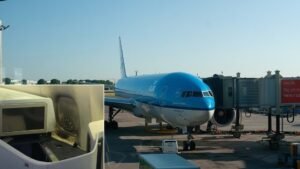
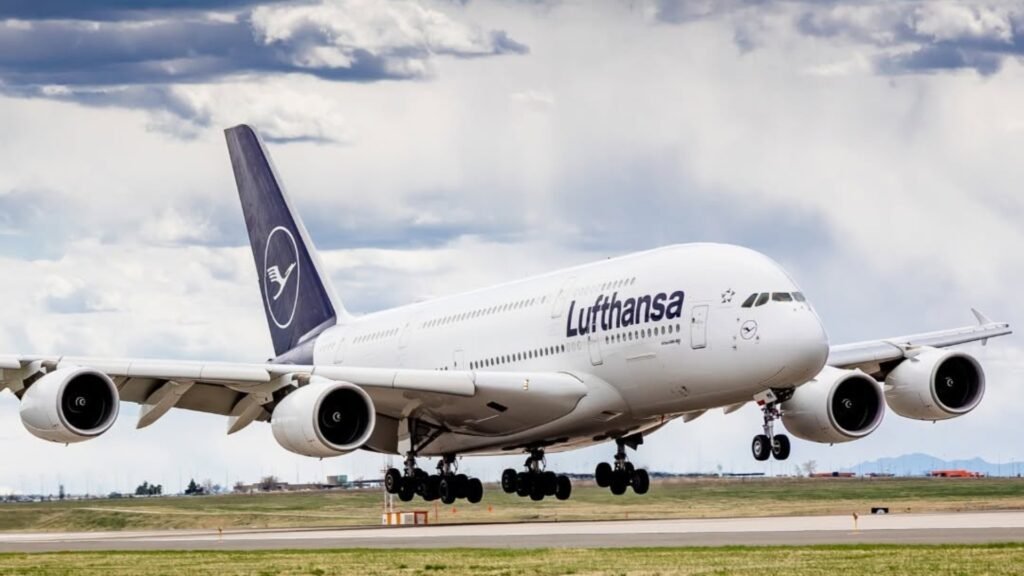
Image: Lufthansa

Berlin, Germany: Germany is preparing to launch an ambitious 15-year aviation strategy aimed at restoring the country’s competitiveness as a leading aviation hub while accelerating the transition to sustainable aviation, reducing industry costs and strengthening the sector’s resilience against future economic and geopolitical challenges.

The strategy, expected to receive cabinet approval this week, outlines a long-term roadmap for both civil and military aviation and seeks to provide greater planning certainty for airlines, airports, aerospace manufacturers, policymakers and investors.

According to the draft strategy, Germany intends to position itself as a global leader in sustainable, safe and competitive aviation through a combination of regulatory reforms, technological innovation, research investments and environmental initiatives.

Four-Pillar Framework

The government’s aviation roadmap is built around four core pillars:

  • Economic competitiveness
  • Technological competitiveness
  • Aviation as a military technology
  • Aviation as a civil security technology

Officials say the framework is designed not only to support the industry’s growth but also to improve preparedness for future crises while safeguarding Germany’s strategic aviation capabilities.

The strategy acknowledges that Germany’s aviation sector has struggled with several structural challenges in recent years.

Passenger traffic recovery has lagged behind many European markets, while airlines and airports continue to face rising operational costs, increasing international competition and growing geopolitical uncertainties. Industry groups have repeatedly warned that Germany’s cost structure has become less competitive than that of neighboring European countries.

The German Aviation Association (BDL) previously reported that airlines had reduced aircraft deployments within Germany due to escalating government-imposed charges. The association estimated that the number of aircraft based in the country fell significantly compared with pre-pandemic levels, resulting in job losses and reduced economic activity.

Low-cost carriers, including Ryanair, have also criticized Germany’s aviation tax regime and airport charges, arguing that they have weakened the country’s attractiveness as a market for airline growth.

Recognizing industry concerns, the government’s strategy references coalition plans to lower costs across the aviation sector.

Measures under consideration include reducing air traffic taxes, lowering air traffic control fees and streamlining aviation security procedures. The objective is to improve Germany’s competitiveness relative to other European aviation markets and encourage airlines to expand operations in the country.

The strategy follows recent legislative action by the Bundestag to reduce Germany’s air traffic tax from July 1, 2026, reversing increases introduced in 2024. The tax reductions will lower charges on short-, medium- and long-haul tickets, providing financial relief to airlines and passengers alike.

German policymakers view the tax cuts as part of a broader effort to revitalize a sector that has faced persistent cost pressures and slower post-pandemic recovery than many of its European counterparts.

However, the government has noted that implementation of several elements of the new aviation strategy will depend on the availability of budgetary funding.

A central feature of the strategy is the accelerated deployment of Sustainable Aviation Fuel (SAF), which Berlin considers essential to achieving national and European climate objectives.

The government plans to support both domestic and European SAF production while expanding the infrastructure needed to distribute and utilize the fuels across the aviation network.

Germany is also examining long-term support mechanisms for synthetic and electricity-based aviation fuels. Reports indicate that Berlin could provide up to €2 billion in support between 2030 and 2039 to help scale SAF production and strengthen supply chains.

The initiative aligns with broader European efforts to increase the use of sustainable aviation fuels as airlines face progressively stricter emissions reduction requirements.

Beyond sustainability, the strategy emphasizes aviation’s role as a driver of innovation, technological development and economic value creation.

The government aims to strengthen Germany’s aerospace research capabilities, support emerging aviation technologies and maintain the country’s position within the global aerospace industry.

The roadmap also highlights aviation’s growing importance from both security and defense perspectives, reflecting broader European efforts to reinforce strategic industries amid rising geopolitical tensions.

Officials view the aviation sector as a key contributor to industrial competitiveness, technological leadership and national resilience.

Germany’s new aviation strategy represents one of the country’s most comprehensive efforts in recent years to address industry concerns while balancing economic competitiveness with environmental commitments.

By combining cost relief measures, technological investment, sustainable fuel development and enhanced strategic planning, Berlin hopes to create conditions that will enable the aviation sector to grow, innovate and remain competitive over the next decade and beyond.

The success of the strategy will largely depend on funding availability, industry participation and the government’s ability to implement reforms that address both immediate economic pressures and long-term sustainability objectives.


Leave a Comment

Subscribe to our Newsletter

Recent News