News
Civil Aviation
Pilot Training
Flight School Analysis
Aviation Jobs
Training
Services
About Us
Contact Us

Alaska Airlines 737 Diverts To Eugene After Engine Oil Warning Prompts Mid-Air Shutdown

Picture of Aviation Today News Desk

Aviation Today News Desk

Eugene, United States: An Alaska Airlines Boeing 737-800 operating Flight AS471 from Santa Ana, California, to Seattle, Washington, safely diverted to Eugene, Oregon, on July 23, 2026, after the crew received a low oil quantity and pressure warning involving the aircraft's left-hand CFM56 engine. The aircraft, registered as N563AS, was cruising at 36,000 feet (FL360) when the issue occurred approximately 90 nautical miles south-southeast of Eugene, Oregon. In response to the low oil pressure indication, the flight crew precautionarily shut down the affected engine and initiated a diversion to Eugene Airport (EUG). Flight AS471 was carrying 161 passengers and six crew members at the time of the incident. Following the engine shutdown, the pilots continued the flight safely with the remaining engine operating and diverted to Eugene as a precaution. The aircraft landed safely on Runway 34L at Eugene Airport approximately 25 minutes after the diversion was initiated. No injuries were reported among the passengers or crew following the landing. The aircraft was subsequently taken out of service for inspection and maintenance to determine the precise cause of the low oil quantity and pressure indication. The incident involved one of the aircraft's two CFM56 engines, with the left-hand engine being shut down as a precaution. Passengers were later transferred to a replacement Boeing 737-800, registered as N597AS, to continue their journey to Seattle. The replacement aircraft eventually arrived in Seattle approximately four hours later than the original scheduled arrival time. The incident demonstrates the procedures followed by flight crews when an engine-related warning occurs during cruise. Boeing 737-800 aircraft are designed and certified to continue flight safely following the loss or shutdown of one engine, allowing pilots to divert to a suitable airport while maintaining control of the aircraft. The aircraft's diversion to Eugene allowed the crew to land safely and have the affected engine inspected before the aircraft could return to normal operations. No injuries were reported in connection with the incident.
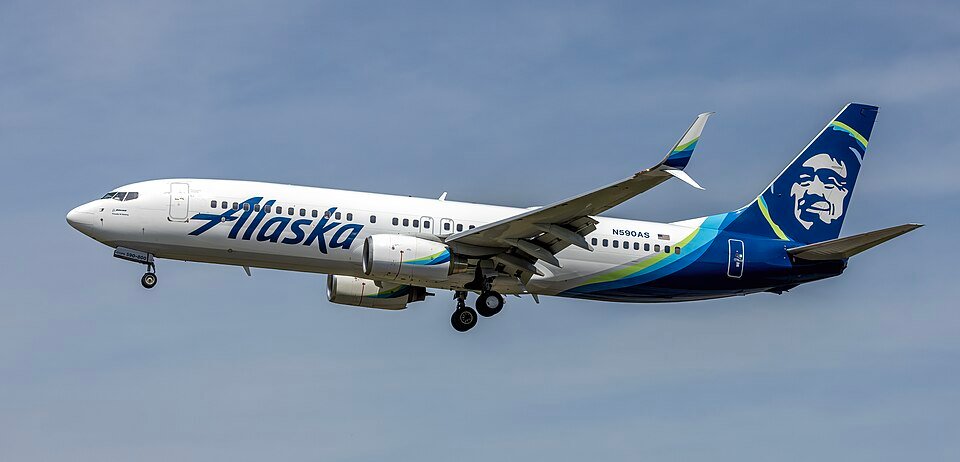
Image: Acroterion (Wikimedia)

Eugene, United States: An Alaska Airlines Boeing 737-800 operating Flight AS471 from Santa Ana, California, to Seattle, Washington, safely diverted to Eugene, Oregon, on July 23, 2026, after the crew received a low oil quantity and pressure warning involving the aircraft’s left-hand CFM56 engine.

The aircraft, registered as N563AS, was cruising at 36,000 feet (FL360) when the issue occurred approximately 90 nautical miles south-southeast of Eugene, Oregon. In response to the low oil pressure indication, the flight crew precautionarily shut down the affected engine and initiated a diversion to Eugene Airport (EUG).

Flight AS471 was carrying 161 passengers and six crew members at the time of the incident. Following the engine shutdown, the pilots continued the flight safely with the remaining engine operating and diverted to Eugene as a precaution.

The aircraft landed safely on Runway 34L at Eugene Airport approximately 25 minutes after the diversion was initiated. No injuries were reported among the passengers or crew following the landing.

The aircraft was subsequently taken out of service for inspection and maintenance to determine the precise cause of the low oil quantity and pressure indication. The incident involved one of the aircraft’s two CFM56 engines, with the left-hand engine being shut down as a precaution.

Passengers were later transferred to a replacement Boeing 737-800, registered as N597AS, to continue their journey to Seattle. The replacement aircraft eventually arrived in Seattle approximately four hours later than the original scheduled arrival time.

The incident demonstrates the procedures followed by flight crews when an engine-related warning occurs during cruise. Boeing 737-800 aircraft are designed and certified to continue flight safely following the loss or shutdown of one engine, allowing pilots to divert to a suitable airport while maintaining control of the aircraft.

The aircraft’s diversion to Eugene allowed the crew to land safely and have the affected engine inspected before the aircraft could return to normal operations. No injuries were reported in connection with the incident.

Leave a Comment

Subscribe to our Newsletter

Recent News

Aviation Today Perspectives