News
Civil Aviation
Pilot Training
Flight School Analysis
Aviation Jobs
Training
Services
About Us
Contact Us

Virgin Atlantic Flight Makes Emergency Landing In Ireland After Engine Malfunction

Picture of Aviation Today News Desk

Aviation Today News Desk

Shannon, Ireland: A Virgin Atlantic Airbus A330-900neo operating a scheduled service from London Heathrow to Montego Bay, Jamaica, made an emergency diversion to Shannon Airport in Ireland on May 30 after suffering an in-flight engine malfunction while crossing the North Atlantic. Flight VS165 departed London Heathrow at approximately 1604 UTC and was operating normally at cruising altitude when the crew encountered a problem involving the aircraft’s right-hand Rolls-Royce Trent 7000 engine nearly three hours into the transatlantic crossing. The aircraft, registered G-VTOM, was cruising at Flight Level 360 approximately 440 nautical miles west of Shannon when the right-hand engine experienced a stall. The flight crew subsequently reduced the engine to idle thrust and initiated diversion procedures. The aircraft then descended to Flight Level 200 and turned back toward Ireland. The Airbus A330-900 was carrying 246 passengers and 13 crew members at the time of the incident. With several hours of oceanic flight remaining to Montego Bay, the crew elected to continue on a single-engine profile and divert to the nearest suitable airport. Air traffic controllers coordinated the diversion to Shannon Airport, a major transatlantic emergency diversion facility frequently used by long-haul aircraft operating across the North Atlantic. Emergency response procedures were activated ahead of the aircraft’s arrival. The aircraft landed safely at Shannon at approximately 2124 local time after roughly five hours of flight. Emergency vehicles accompanied the aircraft during landing and rollout. Following a brief inspection by emergency personnel on the runway, no signs of fire or immediate hazards were detected, allowing the aircraft to taxi to a parking stand. All passengers and crew members disembarked safely. No injuries were reported. Passenger accounts provided additional insight into the event. Jamaican attorney Yushaine Morgan, who was travelling onboard the flight, told local media that passengers heard a loud bang approximately three hours after departure. He said a smell of smoke was detected in the cabin and that the captain subsequently informed passengers of an engine failure and the need to divert. Virgin Atlantic confirmed the diversion, describing it as a precautionary measure following a technical issue involving the aircraft. The airline did not officially disclose the exact nature of the malfunction. A spokesperson said the aircraft landed safely and apologised for the disruption caused to passengers. The airline arranged a replacement aircraft and provided accommodation, rebooking options, alternative travel arrangements, and refund options for affected customers. Following arrival in Shannon, passengers reportedly remained at the airport for several hours before being transported back to London Heathrow on a replacement aircraft. Some passengers were subsequently rebooked on later services to Jamaica, subject to seat availability. The incident is expected to be reviewed by Virgin Atlantic engineers and relevant aviation authorities. Investigators will examine flight data, engine performance information, maintenance records, and any onboard indications recorded during the event to determine the precise cause of the malfunction. The aircraft remained in Shannon following the diversion while technical inspections were carried out.
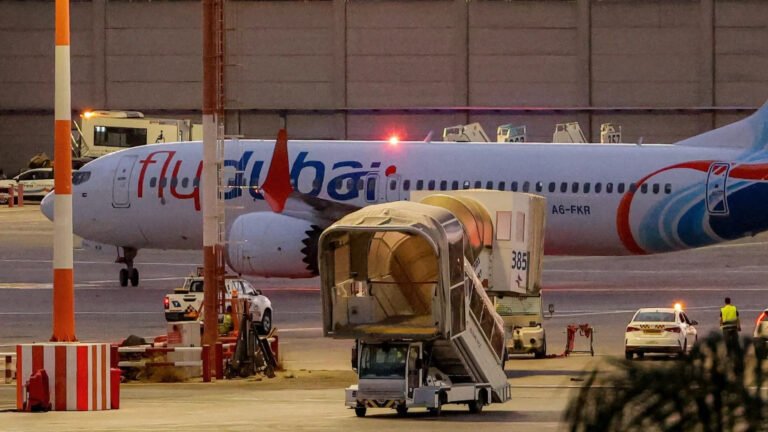
Image: Mitchul Hope (Flickr)

Shannon, Ireland: A Virgin Atlantic Airbus A330-900neo operating a scheduled service from London Heathrow to Montego Bay, Jamaica, made an emergency diversion to Shannon Airport in Ireland on May 30 after suffering an in-flight engine malfunction while crossing the North Atlantic.

Flight VS165 departed London Heathrow at approximately 1604 UTC and was operating normally at cruising altitude when the crew encountered a problem involving the aircraft’s right-hand Rolls-Royce Trent 7000 engine nearly three hours into the transatlantic crossing.

The aircraft, registered G-VTOM, was cruising at Flight Level 360 approximately 440 nautical miles west of Shannon when the right-hand engine experienced a stall. The flight crew subsequently reduced the engine to idle thrust and initiated diversion procedures. The aircraft then descended to Flight Level 200 and turned back toward Ireland.

The Airbus A330-900 was carrying 246 passengers and 13 crew members at the time of the incident. With several hours of oceanic flight remaining to Montego Bay, the crew elected to continue on a single-engine profile and divert to the nearest suitable airport.

Air traffic controllers coordinated the diversion to Shannon Airport, a major transatlantic emergency diversion facility frequently used by long-haul aircraft operating across the North Atlantic. Emergency response procedures were activated ahead of the aircraft’s arrival.

The aircraft landed safely at Shannon at approximately 2124 local time after roughly five hours of flight. Emergency vehicles accompanied the aircraft during landing and rollout. Following a brief inspection by emergency personnel on the runway, no signs of fire or immediate hazards were detected, allowing the aircraft to taxi to a parking stand. All passengers and crew members disembarked safely. No injuries were reported.

Passenger accounts provided additional insight into the event. Jamaican attorney Yushaine Morgan, who was travelling onboard the flight, told local media that passengers heard a loud bang approximately three hours after departure. He said a smell of smoke was detected in the cabin and that the captain subsequently informed passengers of an engine failure and the need to divert.

Virgin Atlantic confirmed the diversion, describing it as a precautionary measure following a technical issue involving the aircraft. The airline did not officially disclose the exact nature of the malfunction.

A spokesperson said the aircraft landed safely and apologised for the disruption caused to passengers. The airline arranged a replacement aircraft and provided accommodation, rebooking options, alternative travel arrangements, and refund options for affected customers.

Following arrival in Shannon, passengers reportedly remained at the airport for several hours before being transported back to London Heathrow on a replacement aircraft. Some passengers were subsequently rebooked on later services to Jamaica, subject to seat availability.

The incident is expected to be reviewed by Virgin Atlantic engineers and relevant aviation authorities. Investigators will examine flight data, engine performance information, maintenance records, and any onboard indications recorded during the event to determine the precise cause of the malfunction. The aircraft remained in Shannon following the diversion while technical inspections were carried out.

Leave a Comment

Subscribe to our Newsletter

Recent News