News
Civil Aviation
Pilot Training
Flight School Analysis
Aviation Jobs
Training
Services
About Us
Contact Us

Allegiant And Sun Country $1.5B Merger Creates Major New U.S. Low-Cost Airline Group

Picture of Aviation Today News Desk

Aviation Today News Desk

Las Vegas, United States: Allegiant Air has completed its $1.5 billion acquisition of Sun Country Airlines, creating one of the largest leisure-focused ultra-low-cost airline groups in the United States as consolidation continues across the American aviation sector. The merger, finalized following shareholder and regulatory approvals, combines two carriers known for serving price-sensitive leisure travelers and underserved routes across North America. The transaction marks a significant shift in the ultra-low-cost carrier market at a time when airlines are facing rising operating costs, changing travel demand patterns, and increasing competitive pressure. Under the agreement first announced earlier this year, Sun Country shareholders received a mix of cash and Allegiant stock, with Allegiant shareholders expected to hold approximately 67% of the combined company while Sun Country investors retain the remaining stake. The deal values Sun Country at approximately $1.5 billion, including debt. Executives from both airlines described the merger as a strategic move aimed at expanding network reach, improving operational efficiency, and diversifying revenue streams beyond traditional passenger services. The combined airline group will operate a fleet of nearly 195 aircraft and serve around 175 destinations through more than 650 routes across the United States, Mexico, Central America, and the Caribbean. Allegiant’s strong presence in smaller and underserved U.S. markets complements Sun Country’s established leisure network and charter operations centered around Minneapolis-St. Paul. One of the most significant aspects of the acquisition is Sun Country’s cargo and charter business, which provides Allegiant with additional non-passenger revenue opportunities. Sun Country currently operates dedicated cargo flights for Amazon and also conducts charter services for sports teams, military movements, and government operations. Despite the completion of the transaction, both airlines will continue operating separately during the initial integration phase. Company officials said the transition toward a unified operation is expected to take up to 18 months, including the eventual move toward a single FAA operating certificate. Allegiant’s Las Vegas headquarters will remain the primary corporate base, while Minneapolis is expected to continue serving as a major operational hub for the combined carrier. Passengers are not expected to experience immediate changes following the merger. Existing bookings, flight schedules, and loyalty programs will remain unchanged during the early stages of integration. Branding for both airlines will also continue temporarily while operational systems are gradually combined. The merger comes amid continued restructuring across the U.S. aviation industry, particularly within the ultra-low-cost segment. Rising fuel prices, labor expenses, aircraft delivery delays, and intense competition from larger network carriers have placed financial pressure on several budget airlines in recent years. Spirit Airlines shut down after 34 years following the collapse of a bailout deal and severe financial losses. The airline ceased operations on May 2, 2026, cancelling all flights and impacting thousands of passengers and employees. Rising costs, debt, failed merger attempts, and bankruptcy struggles led to the collapse of the U.S. budget carrier. Company executives stated that the merger is expected to generate substantial annual cost synergies over the coming years through combined purchasing power, operational efficiencies, and expanded route coordination.
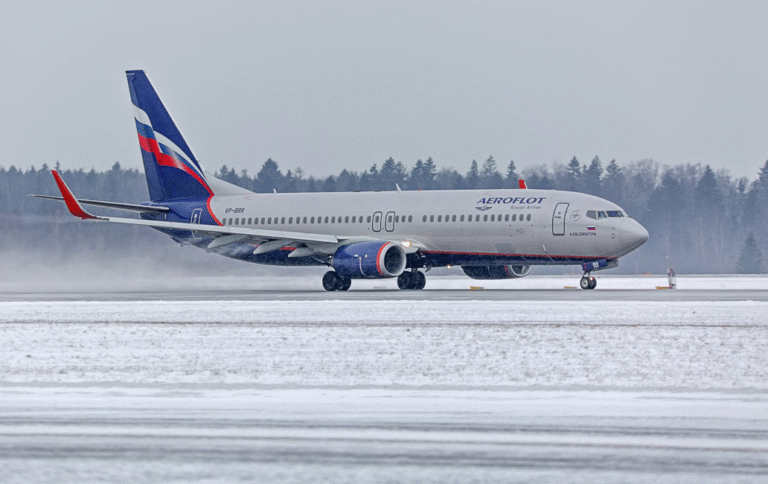
Image: MSP Airport

Las Vegas, United States: Allegiant Air has completed its $1.5 billion acquisition of Sun Country Airlines, creating one of the largest leisure-focused ultra-low-cost airline groups in the United States as consolidation continues across the American aviation sector.

The merger, finalized following shareholder and regulatory approvals, combines two carriers known for serving price-sensitive leisure travelers and underserved routes across North America. The transaction marks a significant shift in the ultra-low-cost carrier market at a time when airlines are facing rising operating costs, changing travel demand patterns, and increasing competitive pressure.

Under the agreement first announced earlier this year, Sun Country shareholders received a mix of cash and Allegiant stock, with Allegiant shareholders expected to hold approximately 67% of the combined company while Sun Country investors retain the remaining stake. The deal values Sun Country at approximately $1.5 billion, including debt.

Executives from both airlines described the merger as a strategic move aimed at expanding network reach, improving operational efficiency, and diversifying revenue streams beyond traditional passenger services.

The combined airline group will operate a fleet of nearly 195 aircraft and serve around 175 destinations through more than 650 routes across the United States, Mexico, Central America, and the Caribbean. Allegiant’s strong presence in smaller and underserved U.S. markets complements Sun Country’s established leisure network and charter operations centered around Minneapolis-St. Paul.

One of the most significant aspects of the acquisition is Sun Country’s cargo and charter business, which provides Allegiant with additional non-passenger revenue opportunities. Sun Country currently operates dedicated cargo flights for Amazon and also conducts charter services for sports teams, military movements, and government operations.

Despite the completion of the transaction, both airlines will continue operating separately during the initial integration phase. Company officials said the transition toward a unified operation is expected to take up to 18 months, including the eventual move toward a single FAA operating certificate. Allegiant’s Las Vegas headquarters will remain the primary corporate base, while Minneapolis is expected to continue serving as a major operational hub for the combined carrier.

Passengers are not expected to experience immediate changes following the merger. Existing bookings, flight schedules, and loyalty programs will remain unchanged during the early stages of integration. Branding for both airlines will also continue temporarily while operational systems are gradually combined.

The merger comes amid continued restructuring across the U.S. aviation industry, particularly within the ultra-low-cost segment. Rising fuel prices, labor expenses, aircraft delivery delays, and intense competition from larger network carriers have placed financial pressure on several budget airlines in recent years. Spirit Airlines shut down after 34 years following the collapse of a bailout deal and severe financial losses. The airline ceased operations on May 2, 2026, cancelling all flights and impacting thousands of passengers and employees. Rising costs, debt, failed merger attempts, and bankruptcy struggles led to the collapse of the U.S. budget carrier.

Company executives stated that the merger is expected to generate substantial annual cost synergies over the coming years through combined purchasing power, operational efficiencies, and expanded route coordination.


Leave a Comment

Subscribe to our Newsletter

Recent News