News
Civil Aviation
Pilot Training
Flight School Analysis
Aviation Jobs
Training
Services
About Us
Contact Us

Trump Opposes United-American Airlines Merger Over Competition Concerns

Picture of Aviation Today News Desk

Aviation Today News Desk

Washington, United States: U.S. President Donald Trump has publicly rejected a proposed merger between United Airlines and American Airlines, signaling strong political resistance to a deal that could reshape the global aviation industry and significantly reduce competition in the U.S. airline market. Speaking during a CNBC interview, Trump stated that while he does not generally oppose corporate mergers, he is against the consolidation of the two largest U.S. carriers, noting that both airlines are already performing strongly on their own. “I don’t mind mergers, but with American it’s doing fine, and United is doing very well. I don’t like having them merge,” Trump said. The proposal, reportedly initiated by United Airlines CEO Scott Kirby during a February meeting with Trump, would combine the two largest U.S. airlines by capacity. Together, the carriers would control around 40% of domestic seat capacity, raising immediate concerns among regulators, lawmakers, and consumer advocates over reduced competition and potential fare increases. President Donald Trump also said he would “love somebody to buy” Spirit Airlines, which is currently in bankruptcy proceedings. American Airlines has formally rejected the idea, stating it is not engaged in or interested in any merger discussions with United Airlines and warning that such a combination would harm competition and consumers. The proposed merger has already drawn sharp scrutiny from antitrust experts who warn that further consolidation in an already concentrated U.S. airline market could weaken competition, increase ticket prices, and reduce travel options for passengers. The U.S. airline sector is dominated by four major carriers United, American, Delta, and Southwest leaving limited room for further consolidation without significant regulatory hurdles from the Department of Justice and Department of Transportation. Transportation Secretary Sean Duffy described the proposal as “interesting” but emphasized that United would need to present a stronger case demonstrating clear consumer benefits for any approval consideration. The renewed discussion around consolidation comes amid rising operational costs, particularly surging jet fuel prices, which have placed additional pressure on airline profitability. However, American Airlines reiterated that it remains focused on its independent strategy, distancing itself from speculation around consolidation. Following reports of the proposed merger discussions and Trump’s remarks, shares of both United Airlines and American Airlines experienced short-term volatility in trading, reflecting investor uncertainty over the regulatory outlook and future industry structure.

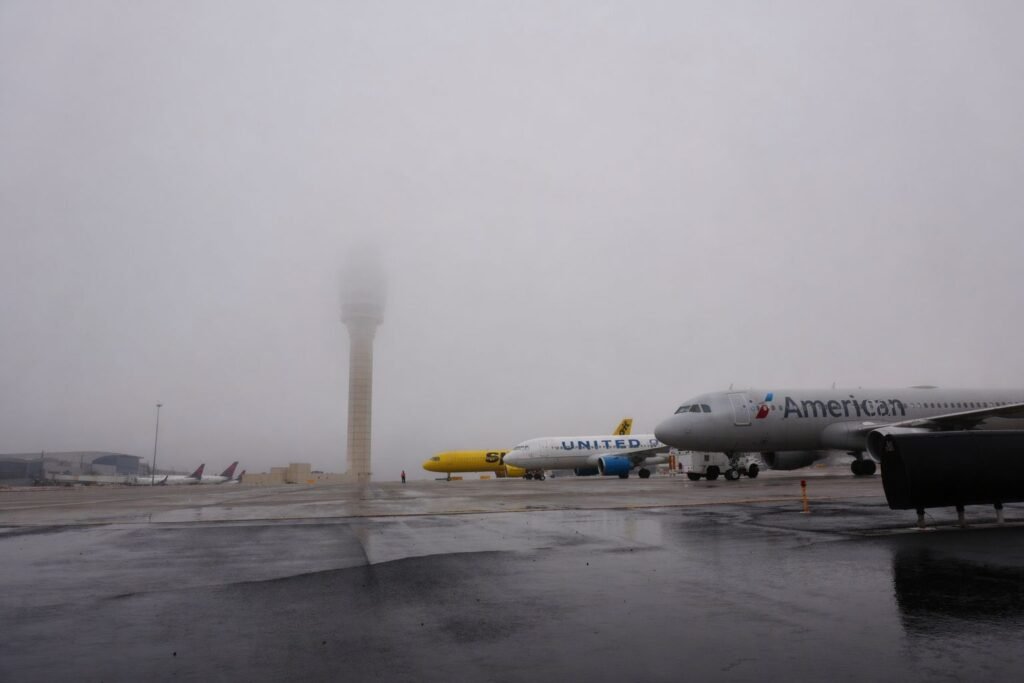
Image: Hartsfield-Jackson Atlanta International Airport

Washington, United States: U.S. President Donald Trump has publicly rejected a proposed merger between United Airlines and American Airlines, signaling strong political resistance to a deal that could reshape the global aviation industry and significantly reduce competition in the U.S. airline market.

Speaking during a CNBC interview, Trump stated that while he does not generally oppose corporate mergers, he is against the consolidation of the two largest U.S. carriers, noting that both airlines are already performing strongly on their own.

“I don’t mind mergers, but with American it’s doing fine, and United is doing very well. I don’t like having them merge,” Trump said.

The proposal, reportedly initiated by United Airlines CEO Scott Kirby during a February meeting with Trump, would combine the two largest U.S. airlines by capacity. Together, the carriers would control around 40% of domestic seat capacity, raising immediate concerns among regulators, lawmakers, and consumer advocates over reduced competition and potential fare increases. 

President Donald Trump also said he would “love somebody to buy” Spirit Airlines, which is currently in bankruptcy proceedings.

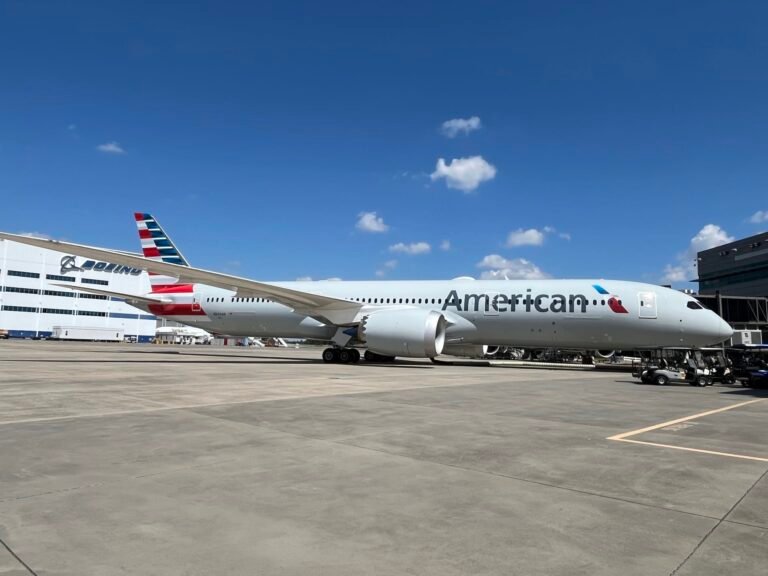
American Airlines has formally rejected the idea, stating it is not engaged in or interested in any merger discussions with United Airlines and warning that such a combination would harm competition and consumers.

The proposed merger has already drawn sharp scrutiny from antitrust experts who warn that further consolidation in an already concentrated U.S. airline market could weaken competition, increase ticket prices, and reduce travel options for passengers.

The U.S. airline sector is dominated by four major carriers United, American, Delta, and Southwest leaving limited room for further consolidation without significant regulatory hurdles from the Department of Justice and Department of Transportation.

Transportation Secretary Sean Duffy described the proposal as “interesting” but emphasized that United would need to present a stronger case demonstrating clear consumer benefits for any approval consideration.

The renewed discussion around consolidation comes amid rising operational costs, particularly surging jet fuel prices, which have placed additional pressure on airline profitability.

However, American Airlines reiterated that it remains focused on its independent strategy, distancing itself from speculation around consolidation.

Following reports of the proposed merger discussions and Trump’s remarks, shares of both United Airlines and American Airlines experienced short-term volatility in trading, reflecting investor uncertainty over the regulatory outlook and future industry structure.

Leave a Comment

Subscribe to our Newsletter

Recent News