Update: 6th April, 2026
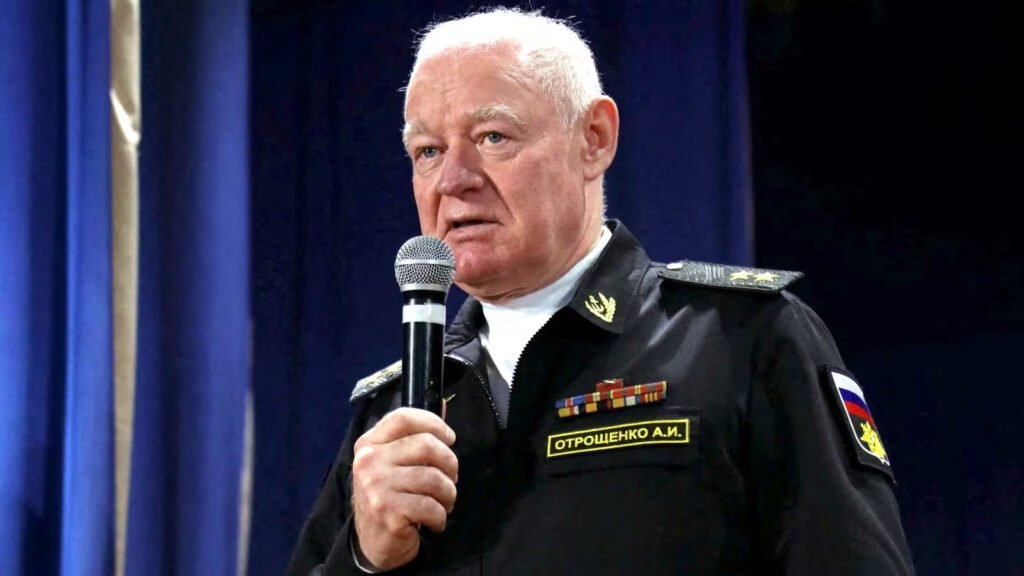
Lieutenant General Alexander Otroshchenko identified as one of the victim in the fatal crash, he was a senior Russian military aviation commander associated with the Northern Fleet, known for his role in overseeing key naval aviation operations and training structures. His death marks a significant loss within Russia’s military aviation leadership, as he was considered an experienced figure in managing operational readiness and strategic air capabilities. He held a high-ranking position and was part of Russia’s broader military command structure involved in Arctic and naval aviation coordination.
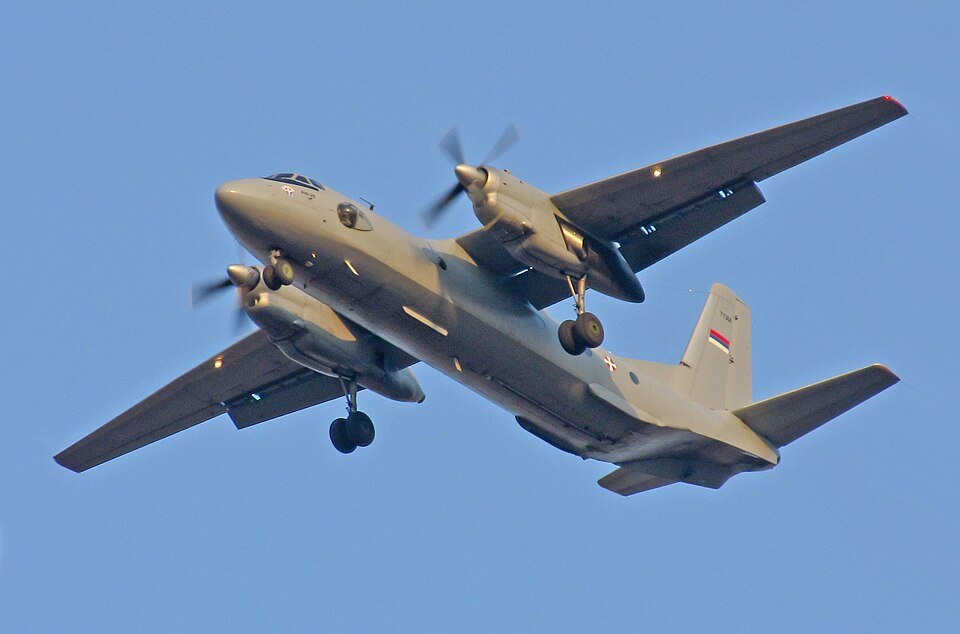
Crimea, Russia: A Russian military Antonov An-26 transport aircraft crashed in Crimea on Tuesday evening, killing all 29 people on board, according to Russia’s Defence Ministry. It went missing on Mar 31, Tuesday. The TASS news agency reported on April 1, Wednesday about the crash. The aircraft went down during a scheduled flight, triggering a large-scale search and rescue operation that later confirmed there were no survivors.
TASS news agency, quoting the ministry, said the incident occurred after the aircraft lost contact with air traffic monitoring systems at approximately 18:00 local time while flying over the Crimean Peninsula. The peninsula, covered in sweeping mountains leading down to the coast of the Black Sea, was annexed by Russia from Ukraine in 2014.
According to preliminary information released by Russian authorities, the flight was part of a routine military transport mission. Rescue teams were immediately deployed after communication was lost, but difficult terrain delayed access to the suspected crash area.
Authorities later confirmed that the wreckage of the aircraft was located in a remote and mountainous region of Crimea. All 29 occupants were found dead at the crash site. The Defence Ministry stated that the aircraft carried 23 passengers and six crew members. No distress call was reportedly received prior to the loss of contact.
Early assessments by Russian defence officials suggest that a technical malfunction may have caused the crash. However, investigators have not ruled out other possibilities at this stage. Officials also stated that there is currently no evidence indicating external interference or hostile action. A formal military commission has been constituted to examine flight data, maintenance history, and wreckage distribution to determine the exact cause of the accident.
The Antonov An-26, a twin-engine turboprop aircraft designed in the Soviet era, remains in service for military transport operations across several regions. The aircraft is commonly used for personnel movement and logistical support missions. Its continued use, despite its age, has often drawn attention due to concerns regarding maintenance and operational safety standards.
The crash site, located in rugged terrain, posed significant challenges for recovery teams. Weather conditions and the geography of the region reportedly slowed down initial rescue efforts. Authorities have since secured the area and begun detailed forensic and technical examinations of the wreckage.
Military aviation accidents in the region are closely monitored due to the strategic sensitivity of Crimea and ongoing geopolitical tensions. While investigations are still in the early stages, officials have emphasized that all possible causes, including mechanical failure and operational issues, are being examined.
As of now, no final determination has been made regarding the exact sequence of events that led to the crash. Further findings are expected once the flight data and cockpit voice records are analyzed by investigators.