News
Civil Aviation
Pilot Training
Flight School Analysis
Aviation Jobs
Training
Services
About Us
Contact Us

IATA: Global Airline Accident Rate Improved In 2025 Despite Higher Fatal Accidents

Picture of Aviation Today News Desk

Aviation Today News Desk

IATA: Global Airline Accident Rate Improved In 2025 Despite Higher Fatal Accidents SEO DES: The accident rate improved to 1.32 per million flights in 2025 but eight fatal accidents caused 394 deaths, up from 244 in 2024 despite fewer total accidents SOCIAL: The global airline industry maintained strong overall safety in 2025, despite an increase in fatal accidents and fatalities, according to the International Air Transport Association (IATA) annual safety report released on March 9, 2026. The overall accident rate improved to 1.32 accidents per million flights, down from 1.42 in 2024, while airlines conducted 38.7 million flights with 51 accidents recorded. However, eight fatal accidents resulted in 394 deaths, up from 244 in 2024. IATA highlighted that aviation remains one of the safest modes of transport, with safety improvements over the past decade and significant benefits from the IATA Operational Safety Audit (IOSA) program. Regional accident trends varied, with Asia-Pacific and North Asia showing low rates, though runway-related incidents and operational challenges in conflict zones remain concerns. The report emphasized the importance of global safety standards, frangible runway structures, timely accident reporting, and international cooperation. Despite the rise in fatalities, long-term trends confirm continuous improvements in aviation safety worldwide. Geneva, Switzerland: The global airline industry continued to demonstrate a strong safety record in 2025, even as fatalities increased compared with the previous year, according to the latest annual safety report released by the International Air Transport Association (IATA). The report, published on March 9, 2026, provides a comprehensive overview of accident trends, operational risks, and regional safety performance across the global aviation sector. While overall accident rates improved compared with 2024, the number of fatal accidents and fatalities rose, highlighting the continued need for vigilance and industry-wide cooperation to further enhance aviation safety. According to IATA’s analysis, the overall accident rate in 2025 was 1.32 accidents per million flights, equivalent to one accident for every 759,646 flights. This represents an improvement from 1.42 accidents per million flights recorded in 2024, although the figure was slightly worse than the five-year average of 1.27 accidents per million flights for the period 2021–2025. Airlines worldwide conducted 38.7 million flights in 2025, during which 51 accidents were recorded. This marked a modest improvement compared with 54 accidents in 2024, when airlines operated 37.9 million flights, but it remained higher than the five-year average of 44 accidents. Despite the improvement in the overall accident rate, eight fatal accidents occurred in 2025, up from seven fatal accidents in 2024 and above the five-year average of six fatal accidents. IATA reported eight fatal airline accidents in 2025, causing 394 deaths, with Air India Flight 171 (241) and PSA Airlines Flight 5342 (64) accounting for over 77% of the fatalities. As a result, the number of fatalities rose sharply to 394 in 2025, compared with 244 fatalities in 2024 and the five-year average of 198 deaths. Commenting on the report, Willie Walsh, Director General of IATA, emphasized that aviation remains one of the safest modes of transportation globally. “Flying is the safest way to travel long distances. Accidents are extremely rare. But every accident reminds us that we must continue to improve through global standards and data-driven collaboration on safety,” Walsh said. He noted that safety performance has improved significantly over the past decade. Between 2012 and 2016, the industry recorded one fatal accident for every 3.5 million flights. Over the 2021–2025 period, this improved to one fatal accident per 5.6 million flights, reflecting advances in safety management systems, data sharing, and operational standards. Walsh added that the scale of modern aviation means even a single accident can influence annual statistics. “With nearly 40 million flights taking place annually, even one accident can affect global results. Nevertheless, one accident is always one too many. The aviation industry’s goal remains zero accidents and zero fatalities,” he said. The report also highlighted the role of the IATA Operational Safety Audit (IOSA) program in maintaining high safety standards. Airlines listed in the IOSA registry recorded significantly lower accident rates compared with non-IOSA airlines, reinforcing the importance of globally recognized operational safety standards. All IATA member airlines that meet the eligibility requirements must maintain IOSA certification, which requires periodic safety audits and operational assessments. IATA said the results once again demonstrate the value of globally harmonized safety frameworks in reducing operational risk. The report also examined regional accident rates and operational safety performance across major aviation markets. In the Asia-Pacific region, airlines recorded six accidents in 2025, with the overall accident rate improving compared with the previous year. In North Asia, the accident rate remained extremely low at 0.16 accidents per million flights, although the region recorded one fatal accident during the year. IATA noted that accident trends vary widely by region due to differences in infrastructure, operational conditions, and regulatory oversight. Runway-related incidents continued to represent a significant portion of aviation accidents. The report highlighted that solid structures and obstacles located near runways can increase the severity of accidents, particularly during runway overruns or landing incidents. IATA stressed the importance of adopting frangible structures near runways, which are designed to break upon impact and reduce the consequences of aircraft collisions during accidents. Improving runway safety infrastructure remains a key priority for regulators, airport operators, and airlines worldwide. Another emerging challenge identified in the report is the growing number of global conflict zones, which has increased operational complexity for airlines. Military activity and airspace restrictions in certain regions have forced airlines to reroute flights, leading to longer flight paths and more complex operational planning. IATA urged governments and international agencies to ensure airlines receive timely and accurate information on potential security risks, allowing operators to make informed decisions about flight routes and operational safety. The report also reflected gaps in accident investigation and reporting compliance among some countries. Under international standards set by the International Civil Aviation Organization (ICAO), countries are required to publish accident investigation reports within specific timelines. However, compliance varies widely across regions. According to IATA, the European Union and surrounding region achieved a compliance rate of 82%, while other regions recorded lower levels: North America: 70% Asia-Pacific: 68% North Asia: 67% Middle East and North Africa: 67% Latin America and the Caribbean: 57% Africa: 20% Delayed or incomplete accident reports limit the ability of the aviation industry to learn from incidents and implement preventive measures, the report noted. Despite the increase in fatalities in 2025, IATA stressed that aviation safety continues to improve over the long term through data-driven risk management, international cooperation, and standardized safety frameworks. The organization said maintaining and strengthening global safety standards remains essential as the aviation sector continues to expand and air traffic grows worldwide.

Image: First Post

Geneva, Switzerland: The global airline industry continued to demonstrate a strong safety record in 2025, even as fatalities increased compared with the previous year, according to the latest annual safety report released by the International Air Transport Association (IATA).

The report, published on March 9, 2026, provides a comprehensive overview of accident trends, operational risks, and regional safety performance across the global aviation sector. While overall accident rates improved compared with 2024, the number of fatal accidents and fatalities rose, highlighting the continued need for vigilance and industry-wide cooperation to further enhance aviation safety.

According to IATA’s analysis, the overall accident rate in 2025 was 1.32 accidents per million flights, equivalent to one accident for every 759,646 flights. This represents an improvement from 1.42 accidents per million flights recorded in 2024, although the figure was slightly worse than the five-year average of 1.27 accidents per million flights for the period 2021–2025.

Airlines worldwide conducted 38.7 million flights in 2025, during which 51 accidents were recorded. This marked a modest improvement compared with 54 accidents in 2024, when airlines operated 37.9 million flights, but it remained higher than the five-year average of 44 accidents.

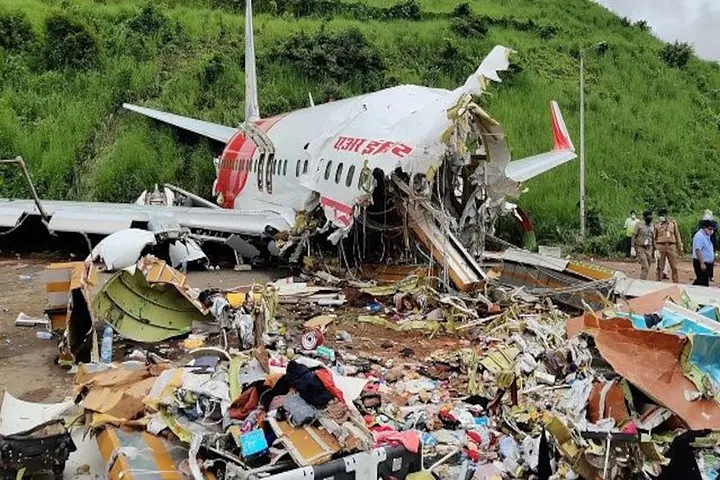
Despite the improvement in the overall accident rate, eight fatal accidents occurred in 2025, up from seven fatal accidents in 2024 and above the five-year average of six fatal accidents. IATA reported eight fatal airline accidents in 2025, causing 394 deaths, with Air India Flight 171 (241) and PSA Airlines Flight 5342 (64) accounting for over 77% of the fatalities.

As a result, the number of fatalities rose sharply to 394 in 2025, compared with 244 fatalities in 2024 and the five-year average of 198 deaths.

Commenting on the report, Willie Walsh, Director General of IATA, emphasized that aviation remains one of the safest modes of transportation globally.

“Flying is the safest way to travel long distances. Accidents are extremely rare. But every accident reminds us that we must continue to improve through global standards and data-driven collaboration on safety,” Walsh said.

He noted that safety performance has improved significantly over the past decade. Between 2012 and 2016, the industry recorded one fatal accident for every 3.5 million flights. Over the 2021–2025 period, this improved to one fatal accident per 5.6 million flights, reflecting advances in safety management systems, data sharing, and operational standards.

Walsh added that the scale of modern aviation means even a single accident can influence annual statistics.

“With nearly 40 million flights taking place annually, even one accident can affect global results. Nevertheless, one accident is always one too many. The aviation industry’s goal remains zero accidents and zero fatalities,” he said.

The report also highlighted the role of the IATA Operational Safety Audit (IOSA) program in maintaining high safety standards.

Airlines listed in the IOSA registry recorded significantly lower accident rates compared with non-IOSA airlines, reinforcing the importance of globally recognized operational safety standards. All IATA member airlines that meet the eligibility requirements must maintain IOSA certification, which requires periodic safety audits and operational assessments.

IATA said the results once again demonstrate the value of globally harmonized safety frameworks in reducing operational risk.

The report also examined regional accident rates and operational safety performance across major aviation markets.

In the Asia-Pacific region, airlines recorded six accidents in 2025, with the overall accident rate improving compared with the previous year.

In North Asia, the accident rate remained extremely low at 0.16 accidents per million flights, although the region recorded one fatal accident during the year.

IATA noted that accident trends vary widely by region due to differences in infrastructure, operational conditions, and regulatory oversight.

Runway-related incidents continued to represent a significant portion of aviation accidents. The report highlighted that solid structures and obstacles located near runways can increase the severity of accidents, particularly during runway overruns or landing incidents.

IATA stressed the importance of adopting frangible structures near runways, which are designed to break upon impact and reduce the consequences of aircraft collisions during accidents.

Improving runway safety infrastructure remains a key priority for regulators, airport operators, and airlines worldwide.

Another emerging challenge identified in the report is the growing number of global conflict zones, which has increased operational complexity for airlines.

Military activity and airspace restrictions in certain regions have forced airlines to reroute flights, leading to longer flight paths and more complex operational planning.

IATA urged governments and international agencies to ensure airlines receive timely and accurate information on potential security risks, allowing operators to make informed decisions about flight routes and operational safety.

The report also reflected gaps in accident investigation and reporting compliance among some countries.

Under international standards set by the International Civil Aviation Organization (ICAO), countries are required to publish accident investigation reports within specific timelines. However, compliance varies widely across regions.

According to IATA, the European Union and surrounding region achieved a compliance rate of 82%, while other regions recorded lower levels:

  • North America: 70%
  • Asia-Pacific: 68%
  • North Asia: 67%
  • Middle East and North Africa: 67%
  • Latin America and the Caribbean: 57%
  • Africa: 20%

Delayed or incomplete accident reports limit the ability of the aviation industry to learn from incidents and implement preventive measures, the report noted.

Despite the increase in fatalities in 2025, IATA stressed that aviation safety continues to improve over the long term through data-driven risk management, international cooperation, and standardized safety frameworks.

The organization said maintaining and strengthening global safety standards remains essential as the aviation sector continues to expand and air traffic grows worldwide.


Leave a Comment

Subscribe to our Newsletter

Recent News

error: Unauthorized copying is not permitted