Dubai, United Arab Emirates: Escalating geopolitical tensions in the Middle East have triggered widespread disruptions across the global aviation network, with flight cancellations surpassing 23,000 services to and from the region since the conflict began, according to aviation analytics data cited by Bloomberg. The mounting cancellations reflect how operational and financial pressures are rapidly compounding for airlines navigating the ongoing crisis.
The disruptions stem largely from the intensifying conflict involving Iran and Western forces, which has forced multiple countries to close or restrict their airspace. Major aviation hubs in the Gulf, long among the world’s busiest transit points between Europe, Asia, and Africa have been heavily affected as airlines suspend operations and reroute aircraft to avoid potentially unsafe air corridors.
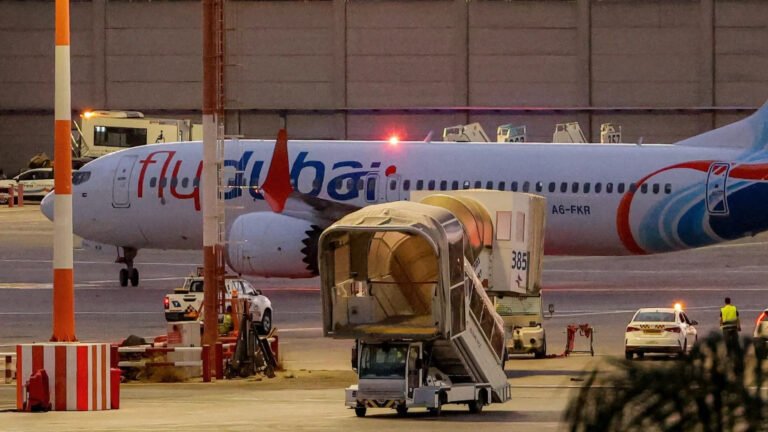
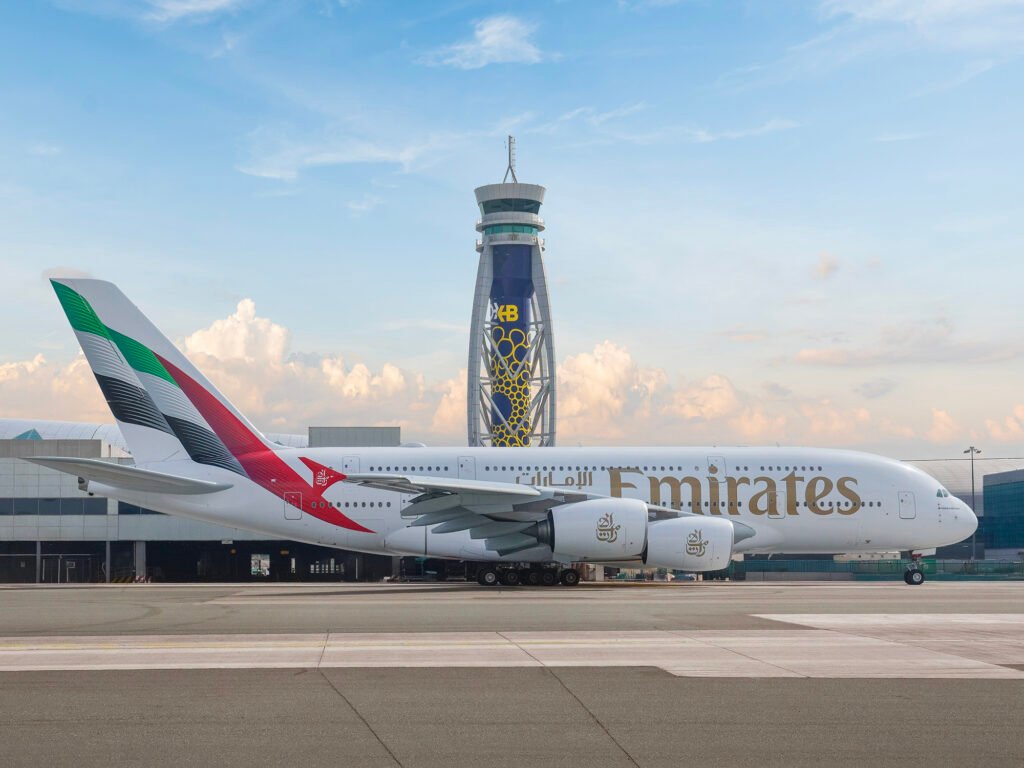
Several major carriers have taken significant operational measures in response. Emirates, the world’s largest international airline, extended the suspension of flights to Dubai through the end of the week, while Qatar Airways prolonged its service halts into Friday as security concerns continue to limit regional air traffic.
Airspace closures across countries including Iran, Iraq, Israel, and parts of the Gulf have forced airlines to adopt longer alternative routes between Europe and Asia. These detours increase fuel consumption, crew costs, and overall operational complexity, further straining airline finances already pressured by volatile fuel prices and geopolitical uncertainty.
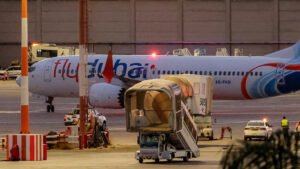
The shutdown of key aviation hubs has also stranded thousands of passengers worldwide. Airports such as Dubai, one of the busiest international transit gateways have faced partial closures or reduced operations for several consecutive days, leaving travelers scrambling to rebook flights or seek alternative routes.
Industry analysts warn that the ongoing crisis could become the most disruptive aviation event since the COVID-19 pandemic, given the central role Middle Eastern hubs play in connecting long-haul global traffic flows. The ripple effects have already spread to airlines across Asia, Europe, and North America as aircraft and crews are displaced from their scheduled rotations.