News
Civil Aviation
Pilot Training
Flight School Analysis
Aviation Jobs
Training
Services
About Us
Contact Us

KLM Finalises Labour Agreement With Cabin Crew Unions After Months Of Negotiations

Picture of Aviation Today News Desk

Aviation Today News Desk

Amsterdam, Netherlands: KLM Royal Dutch Airlines has reached a new collective labour agreement (CLA) with its cabin crew unions, bringing an end to months of negotiations and restoring labour stability at the Dutch flag carrier. The agreement was concluded with unions VNC, FNV Cabine and De Unie and has been approved by union members. The two-year agreement runs from 1 March 2025 through 28 February 2027 and applies retroactively. KLM said the deal balances improvements in purchasing power for cabin crew with the airline’s ongoing focus on cost control and operational reliability. Under the agreement, cabin crew will receive a phased salary increase totalling approximately 3.25 percent over the contract period. In addition, KLM will pay a one-time net allowance of €750 to full-time cabin crew in January 2026 as compensation for inflationary pressures. Beyond pay, the agreement includes updates to working arrangements and long-term employability measures. These include continued access to the 80-90-100 scheme, which allows older cabin crew to work reduced hours while maintaining pension accrual, as well as provisions for temporary early retirement (RVU). The CLA also introduces clearer rules on internal mobility, allowing cabin crew who move to ground positions to return to flying roles under defined conditions. KLM said the agreement provides clarity and predictability for both employees and operations, particularly after a period marked by industrial actions and staffing pressures at Amsterdam Schiphol Airport. Labour stability among cabin crew is seen as critical for maintaining schedule reliability across KLM’s short-haul and long-haul networks. The deal follows earlier labour agreements reached with other employee groups at KLM, reflecting a broader effort by the airline to normalise labour relations while navigating higher costs, supply-chain pressures and capacity constraints affecting the global aviation industry. Union representatives described the agreement as a compromise, noting that while it does not meet all earlier demands, it secures wage growth, safeguards employment conditions and preserves important flexibility schemes for cabin crew.
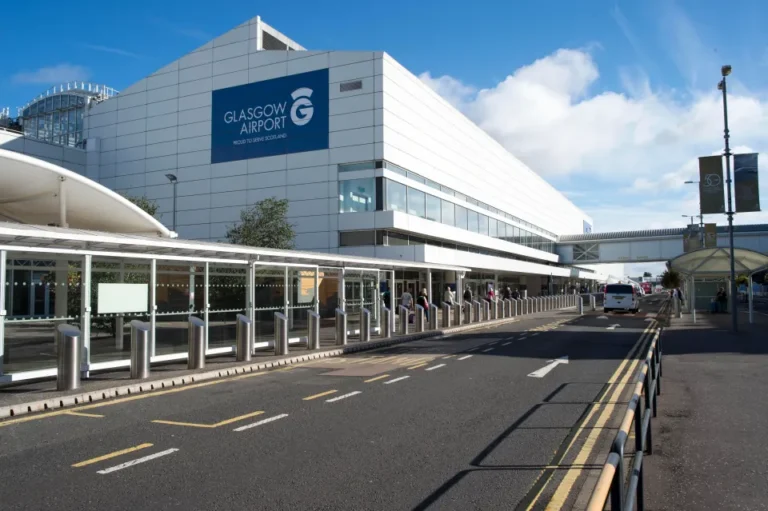
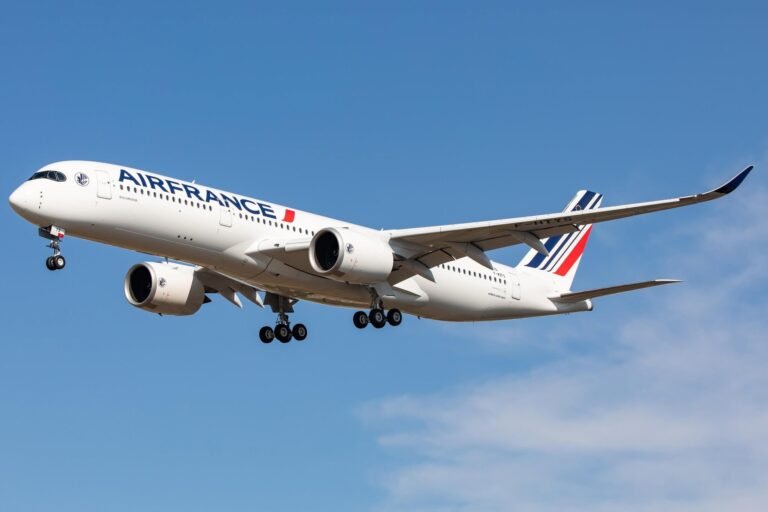
Image: KLM Airlines

Amsterdam, Netherlands: KLM Royal Dutch Airlines has reached a new collective labour agreement (CLA) with its cabin crew unions, bringing an end to months of negotiations and restoring labour stability at the Dutch flag carrier. The agreement was concluded with unions VNC, FNV Cabine and De Unie and has been approved by union members.

The two-year agreement runs from 1 March 2025 through 28 February 2027 and applies retroactively. KLM said the deal balances improvements in purchasing power for cabin crew with the airline’s ongoing focus on cost control and operational reliability.

Under the agreement, cabin crew will receive a phased salary increase totalling approximately 3.25 percent over the contract period. In addition, KLM will pay a one-time net allowance of €750 to full-time cabin crew in January 2026 as compensation for inflationary pressures.

Beyond pay, the agreement includes updates to working arrangements and long-term employability measures. These include continued access to the 80-90-100 scheme, which allows older cabin crew to work reduced hours while maintaining pension accrual, as well as provisions for temporary early retirement (RVU). The CLA also introduces clearer rules on internal mobility, allowing cabin crew who move to ground positions to return to flying roles under defined conditions.

KLM said the agreement provides clarity and predictability for both employees and operations, particularly after a period marked by industrial actions and staffing pressures at Amsterdam Schiphol Airport. Labour stability among cabin crew is seen as critical for maintaining schedule reliability across KLM’s short-haul and long-haul networks.

The deal follows earlier labour agreements reached with other employee groups at KLM, reflecting a broader effort by the airline to normalise labour relations while navigating higher costs, supply-chain pressures and capacity constraints affecting the global aviation industry.

Union representatives described the agreement as a compromise, noting that while it does not meet all earlier demands, it secures wage growth, safeguards employment conditions and preserves important flexibility schemes for cabin crew.

Leave a Comment

Subscribe to our Newsletter

Recent News