New Delhi, India: India’s aircraft Maintenance, Repair and Overhaul (MRO) industry is projected to grow into a $4 billion market by 2031, supported by regulatory reforms, rising aircraft inductions and increasing participation from global aviation companies, Civil Aviation Minister K. Rammohan Naidu said.
The minister made the remarks while addressing an aviation industry gathering, where he outlined the government’s strategy to transform India into a competitive global MRO destination and curb the country’s heavy reliance on overseas maintenance facilities.
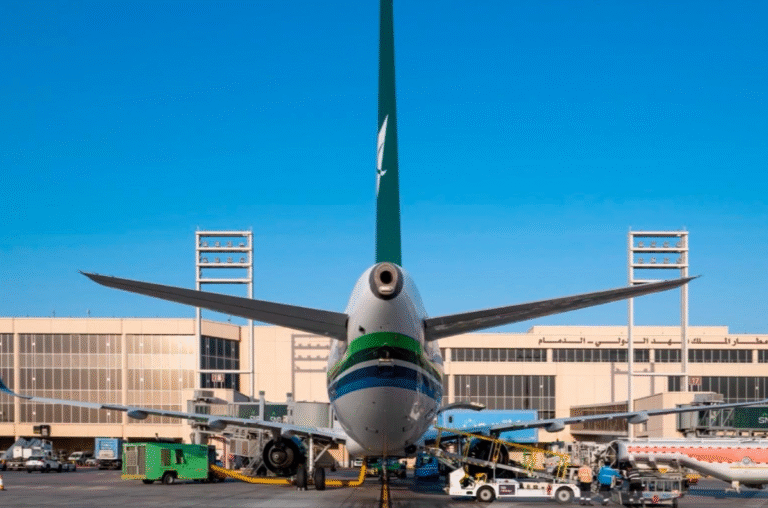
At present, nearly nine out of ten Indian-registered aircraft are maintained abroad, primarily due to cost disadvantages and regulatory complexities. This has resulted in substantial foreign exchange outflows, estimated by industry bodies at over $1.5 billion annually. Officials believe that strengthening domestic MRO capacity can reverse this trend while improving operational efficiency for Indian airlines.
Naidu said the government has undertaken a series of policy measures to improve the sector’s viability, most notably the reduction of Goods and Services Tax (GST) on MRO services from 18 per cent to 5 per cent, placing India on a more level footing with established MRO hubs in Southeast Asia and the Middle East.
“These reforms are intended to create a stable, predictable and investor-friendly environment,” the minister said, adding that lower taxation and streamlined compliance procedures have already begun to attract international players.
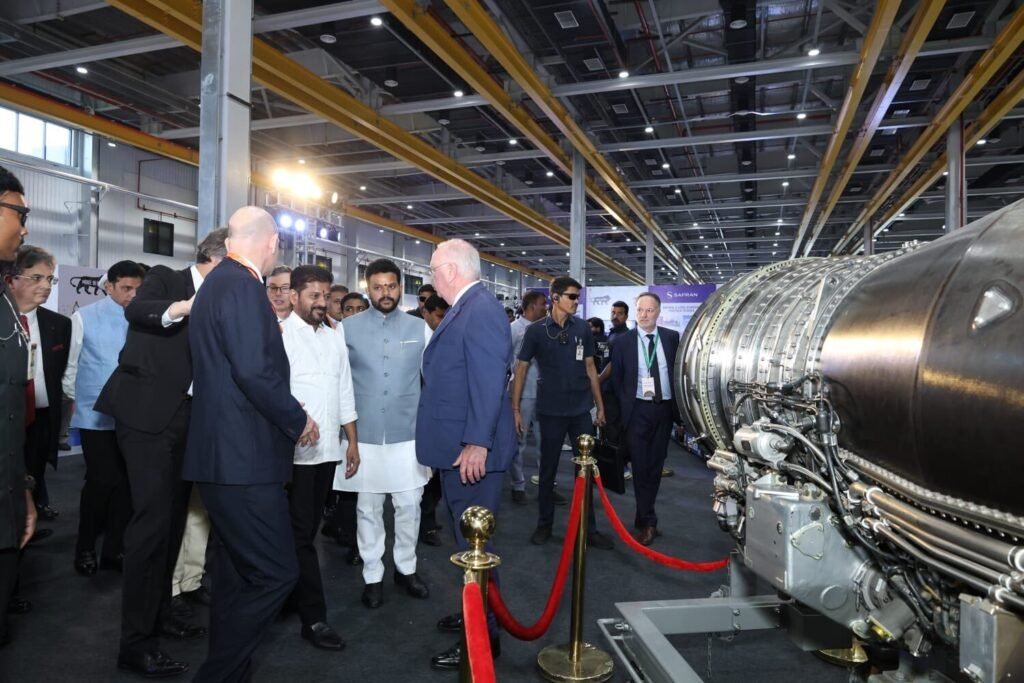
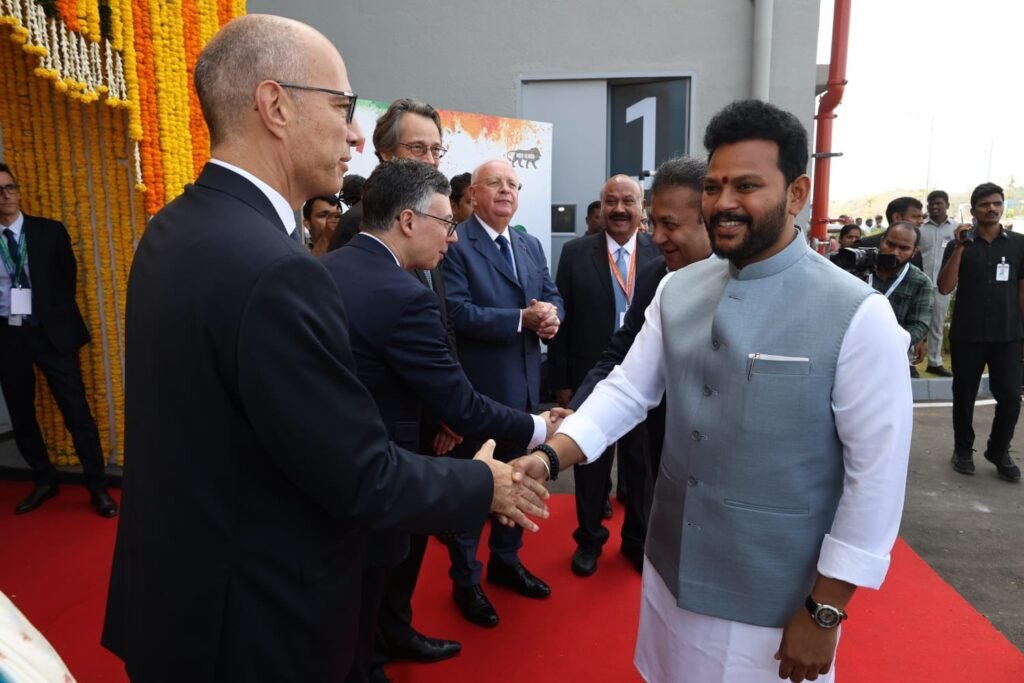
The inauguration of new facilities, including Safran Aircraft Engine Services India, has been cited by the ministry as a key milestone in building a strong MRO ecosystem. The Safran facility is expected to support next-generation aircraft engines and contribute to skill development, technology transfer and local employment.
India’s commercial aviation sector continues to expand rapidly. The country is currently the third-largest domestic aviation market globally, and its fleet size is expected to grow sharply over the next decade. Industry projections suggest that Indian airlines could be operating more than 1,500 aircraft by the early 2030s, significantly increasing demand for routine maintenance, heavy checks and engine overhauls.

Government officials say a robust MRO sector will help airlines reduce aircraft downtime, lower operating costs and improve fleet availability. The sector is also expected to generate high-skilled jobs in engineering, tooling, quality assurance and aviation safety, while supporting allied industries such as component manufacturing and logistics.
Naidu reiterated that developing domestic MRO capabilities aligns with the government’s broader “Make in India” and Atmanirbhar Bharat initiatives. By retaining maintenance work within the country, India aims to strengthen its position across the global aviation value chain and reduce long-term dependence on foreign service providers.
The ministry has indicated that further policy fine-tuning and infrastructure development, particularly at major airports and upcoming aviation hubs, will continue as part of efforts to sustain long-term growth in the sector.