News
Civil Aviation
Pilot Training
Flight School Analysis
Aviation Jobs
Training
Services
About Us
Contact Us

UK Aviation Records 302 Million Passengers In 2025, Marking Busiest Year On Record

Picture of Aviation Today News Desk

Aviation Today News Desk

London, United Kingdom: The United Kingdom’s aviation sector recorded its highest-ever annual passenger traffic in 2025, with 302 million passengers travelling through UK airports, according to official data released by the UK Civil Aviation Authority (CAA). The figure represents a 2% year-on-year increase from 295 million passengers in 2024, confirming that the sector has not only recovered from the pandemic but has now surpassed previous historic peaks. Commenting on the record-breaking performance, Selina Chadha, Group Director for Consumers and Markets at the CAA, said, “It has never been more popular to fly, and 2025 was officially a record-breaking year. While the sector grows from strength to strength, we continue working with aviation partners to drive even higher safety standards and protect passengers when they fly.” The CAA noted that the milestone is significant, with total passenger volumes exceeding the combined populations of several major European countries, including the UK, France, Germany, Spain, Portugal, and the Netherlands. The latest data highlights a sustained long-term expansion of UK aviation, with passenger numbers having tripled since 1989. Demand is expected to remain strong, supported by consumer sentiment. According to the regulator’s annual survey, 31% of respondents plan to fly more in the coming year, indicating continued upward momentum for the sector. Operational reliability showed improvement during the year, with 73% of flights operating on time in 2025, an increase of six percentage points compared to 2024. However, the CAA noted that punctuality levels still remain below pre-pandemic benchmarks, reflecting ongoing operational pressures across the aviation ecosystem. International travel demand remained concentrated on major leisure and business corridors. The most popular destinations from UK airports in 2025 were: Dublin Alicante Dubai Malaga Palma de Mallorca Among the fastest-growing routes, Milan Linate (+453,000 passengers), Krakow (+326,000), and Malta (+301,000) recorded the largest increases. Regional airport growth also remained strong, with Edinburgh (+8%), Liverpool (+11%), and Newcastle (+7%) leading year-on-year passenger increases. In addition to passenger growth, UK airports handled approximately 3 million tonnes of cargo in 2025, reflecting a 3% increase compared to 2024 and highlighting continued strength in air freight operations. Keir Mather, UK Aviation, Maritime and Decarbonisation Minister, linked the growth to infrastructure priorities, stating, “A record year for passenger numbers underlines the importance of boosting airport capacity. Expansion will unlock more choice for passengers, create highly skilled jobs, and strengthen global connectivity.” From the airline industry, Tim Alderslade, Chief Executive of Airlines UK, said the data reinforces aviation’s economic role,“This data confirms aviation’s role as a growth engine for the UK economy… the desire to travel has never been greater.” Meanwhile, Karen Dee, Chief Executive of AirportsUK, emphasized the sector’s wider societal value, “It is great to see UK aviation continues to grow, enabling connectivity to global markets and supporting both business and leisure travel.” With demand continuing to surge, UK aviation has firmly moved beyond recovery into sustained growth, reinforcing its role as a critical pillar of economic activity and global connectivity. Backed by record traffic reported by the UK Civil Aviation Authority, the sector now faces increasing pressure to expand capacity and maintain operational resilience.
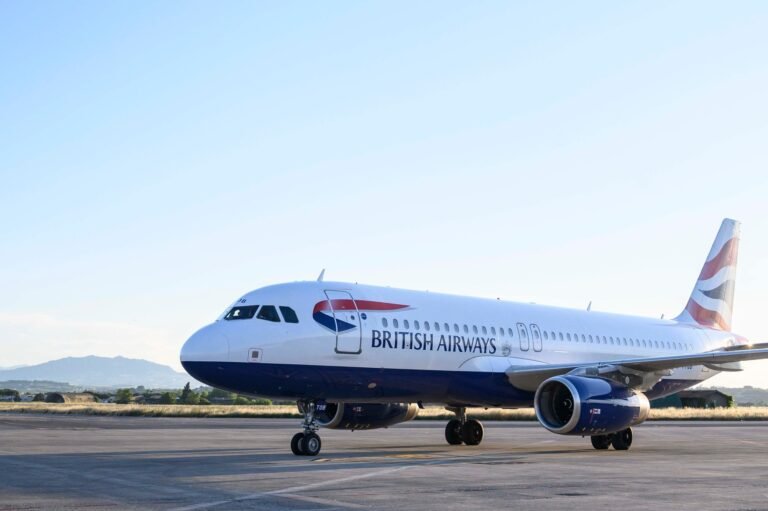
Image: British Airways

London, United Kingdom: The United Kingdom’s aviation sector recorded its highest-ever annual passenger traffic in 2025, with 302 million passengers travelling through UK airports, according to official data released by the UK Civil Aviation Authority (CAA).

The figure represents a 2% year-on-year increase from 295 million passengers in 2024, confirming that the sector has not only recovered from the pandemic but has now surpassed previous historic peaks.

Commenting on the record-breaking performance, Selina Chadha, Group Director for Consumers and Markets at the CAA, said, “It has never been more popular to fly, and 2025 was officially a record-breaking year. While the sector grows from strength to strength, we continue working with aviation partners to drive even higher safety standards and protect passengers when they fly.”

The CAA noted that the milestone is significant, with total passenger volumes exceeding the combined populations of several major European countries, including the UK, France, Germany, Spain, Portugal, and the Netherlands.

The latest data highlights a sustained long-term expansion of UK aviation, with passenger numbers having tripled since 1989.

Demand is expected to remain strong, supported by consumer sentiment. According to the regulator’s annual survey, 31% of respondents plan to fly more in the coming year, indicating continued upward momentum for the sector.

Operational reliability showed improvement during the year, with 73% of flights operating on time in 2025, an increase of six percentage points compared to 2024.

However, the CAA noted that punctuality levels still remain below pre-pandemic benchmarks, reflecting ongoing operational pressures across the aviation ecosystem.

International travel demand remained concentrated on major leisure and business corridors. The most popular destinations from UK airports in 2025 were:

  • Dublin
  • Alicante
  • Dubai
  • Malaga
  • Palma de Mallorca

Among the fastest-growing routes, Milan Linate (+453,000 passengers), Krakow (+326,000), and Malta (+301,000) recorded the largest increases.

Regional airport growth also remained strong, with Edinburgh (+8%), Liverpool (+11%), and Newcastle (+7%) leading year-on-year passenger increases.

In addition to passenger growth, UK airports handled approximately 3 million tonnes of cargo in 2025, reflecting a 3% increase compared to 2024 and highlighting continued strength in air freight operations.

Keir Mather, UK Aviation, Maritime and Decarbonisation Minister, linked the growth to infrastructure priorities, stating, “A record year for passenger numbers underlines the importance of boosting airport capacity. Expansion will unlock more choice for passengers, create highly skilled jobs, and strengthen global connectivity.”

From the airline industry, Tim Alderslade, Chief Executive of Airlines UK, said the data reinforces aviation’s economic role,“This data confirms aviation’s role as a growth engine for the UK economy… the desire to travel has never been greater.”

Meanwhile, Karen Dee, Chief Executive of AirportsUK, emphasized the sector’s wider societal value, “It is great to see UK aviation continues to grow, enabling connectivity to global markets and supporting both business and leisure travel.” 

With demand continuing to surge, UK aviation has firmly moved beyond recovery into sustained growth, reinforcing its role as a critical pillar of economic activity and global connectivity. Backed by record traffic reported by the UK Civil Aviation Authority, the sector now faces increasing pressure to expand capacity and maintain operational resilience.


Leave a Comment

Subscribe to our Newsletter

Recent News