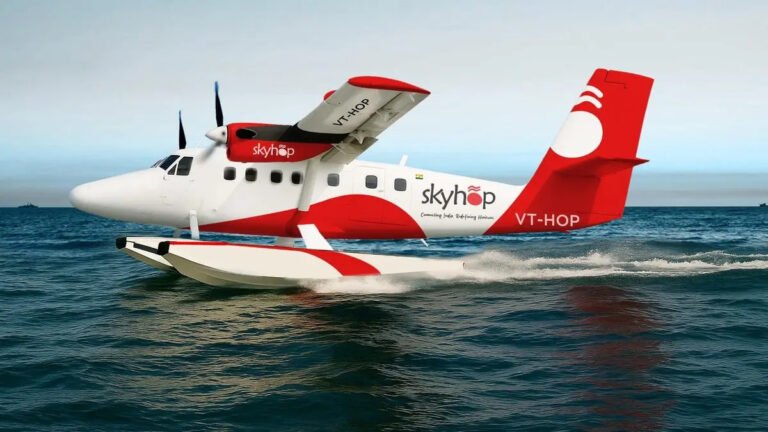
Rishikesh, India: India’s emerging seaplane operator SkyHop Aviation has successfully completed a key test flight at the Ganga Barrage in Rishikesh, marking a significant step toward launching the country’s first private commercial seaplane services.
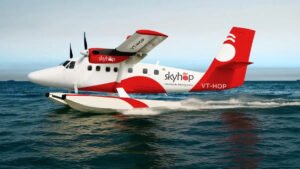
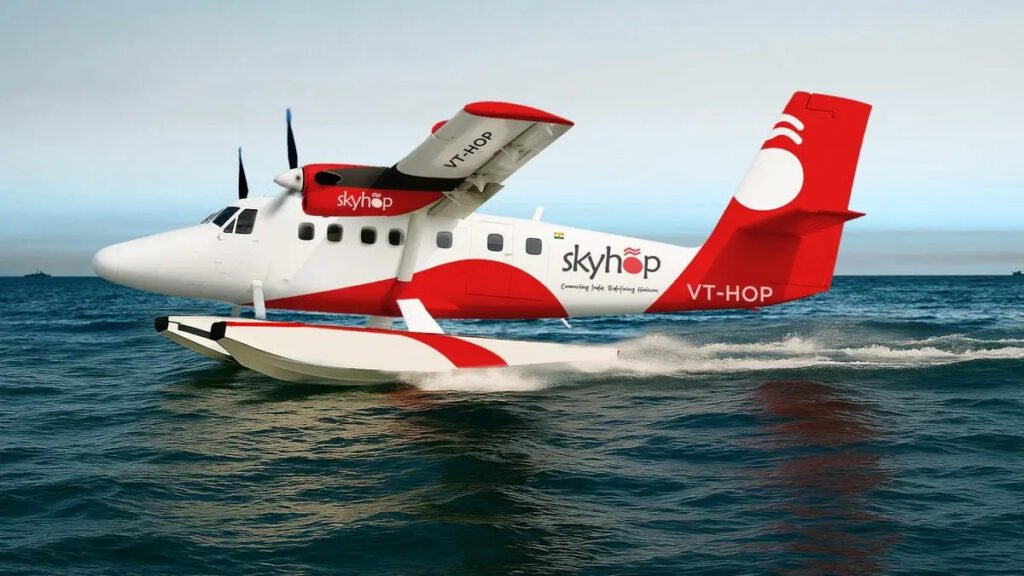
The trial, conducted earlier this week, involved a De Havilland Canada DHC-6 Twin Otter fitted with amphibious floats, enabling it to take off from and land on water. The aircraft executed multiple water operations during the demonstration, validating its performance in riverine conditions and underscoring the feasibility of seaplane services in India’s inland waterways.
The development comes as SkyHop moves closer to operational readiness, having already secured a No-Objection Certificate (NOC) and now progressing toward obtaining an Air Operator Certificate (AOC) from the Directorate General of Civil Aviation. Regulatory clearance remains the final milestone before commercial deployment.
According to company officials, the test is part of a broader plan to introduce scheduled and charter seaplane services connecting remote and underserved regions, particularly areas where conventional airport infrastructure is limited or unviable. The airline has identified island territories and coastal regions as priority markets, with initial operations expected to focus on routes linking the mainland with Lakshadweep.
The Twin Otter platform, widely used in rugged and short-haul environments globally, offers seating for up to 19 passengers and is known for its short take-off and landing capabilities. Its amphibious configuration allows operations from both land runways and water bodies, making it suitable for India’s diverse geography, which includes extensive coastlines, rivers, and inland water systems.
The test was a revival of India’s seaplane ambitions, which have seen limited progress despite earlier government-backed initiatives under the regional connectivity framework. If successfully scaled, seaplane operations could complement existing aviation networks by reducing travel time to remote destinations and opening new tourism corridors.
However, challenges remain. Experts point to the need for clear regulatory frameworks for water aerodromes, coordination with local authorities, environmental clearances, and seasonal variability in water levels, particularly in river-based operations. Commercial viability will also depend on pricing, demand generation, and infrastructure readiness at potential destinations.
Despite these hurdles, SkyHop’s successful demonstration at Rishikesh signals renewed momentum in India’s niche aviation segment. With certification processes underway, the coming months will be critical in determining whether seaplane services can transition from experimental trials to a sustainable commercial model in the country.