News
Civil Aviation
Pilot Training
Flight School Analysis
Aviation Jobs
Training
Services
About Us
Contact Us

Auckland High Court Penalises Menzies Aviation $150,000 Over Biosecurity Failures

Picture of Aviation Today News Desk

Aviation Today News Desk

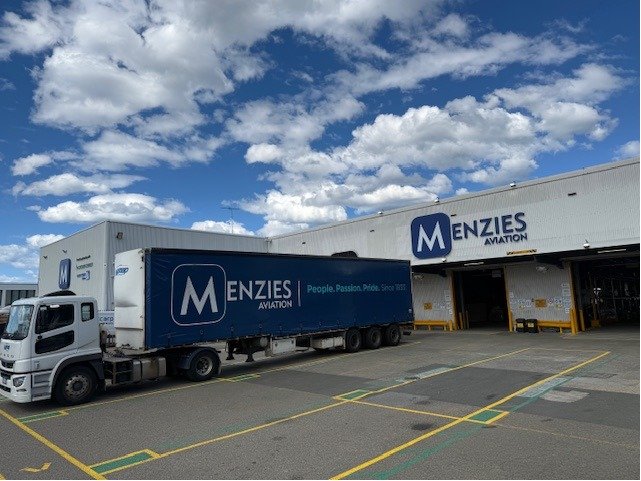
Auckland, New Zealand: Menzies Aviation Limited, a key ground-handling provider at Auckland Airport, has been ordered by the Auckland High Court to pay a $150,000 penalty for breaching New Zealand’s Biosecurity Act, following enforcement action by the Ministry for Primary Industries (MPI). The court ruling stems from compliance failures identified at two MPI-approved transitional facilities where Menzies handles imported air freight, containers and associated packaging. Transitional facilities are critical checkpoints where incoming goods are cleared of potential biological threats before entering the domestic supply chain. MPI’s investigation found that on follow-up inspections, six consignments of uncleared risk goods were not properly wrapped in plastic, leaving gaps through which unwanted pests could escape. Inspectors also reported that the primary inspection room did not meet required hygiene standards and was not fit for purpose. Additionally, no biosecurity response equipment was present, and records documenting cleaning and staff training were either incomplete or absent. MPI Regional Manager for Investigations North, Aleshea Allen, emphasised the seriousness of the breach, noting that such failures create “a potential biosecurity risk at our border.” Allen reiterated that all operators handling imported goods are expected to fully comply with mandatory requirements set out under the Biosecurity Act. In announcing the penalty, the High Court highlighted that Menzies had failed to comply with a formal compliance order previously issued by MPI marking the first occasion a pecuniary penalty has been sought under the Biosecurity Act. Although Menzies’ non-compliance was not judged to be deliberate, the court upheld the need for deterrence and accountability. In a statement to the NZ Herald, a spokesperson for Menzies Aviation acknowledged the court’s ruling, noting that deficiencies occurred during a period when staffing challenges persisted in the wake of the COVID-19 pandemic. The company confirmed that corrective measures were implemented well before the court decision and that biosecurity training and processes have since been strengthened. MPI Biosecurity New Zealand Manager Paul Hallett stressed the high stakes of biosecurity compliance, pointing to the risk of invasive pests such as brown marmorated stink bug, ants or moth species all of which have the potential to damage New Zealand’s horticulture and wider economy if inadvertently introduced. Under the Biosecurity Act 1993, corporations can face fines of up to $200,000 for offences related to non-compliance with section 154 obligations, depending on the nature of the breach. The Act forms a central pillar of New Zealand’s border protection system, designed to prevent the introduction of organisms that could threaten indigenous species, agriculture and public health.

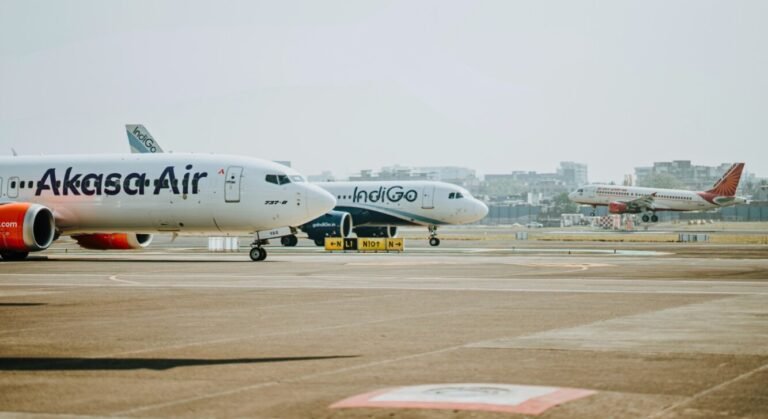
Image: Menzies Aviation

Auckland, New Zealand: Menzies Aviation Limited, a key ground-handling provider at Auckland Airport, has been ordered by the Auckland High Court to pay a $150,000 penalty for breaching New Zealand’s Biosecurity Act, following enforcement action by the Ministry for Primary Industries (MPI). 

The court ruling stems from compliance failures identified at two MPI-approved transitional facilities where Menzies handles imported air freight, containers and associated packaging. Transitional facilities are critical checkpoints where incoming goods are cleared of potential biological threats before entering the domestic supply chain. 

MPI’s investigation found that on follow-up inspections, six consignments of uncleared risk goods were not properly wrapped in plastic, leaving gaps through which unwanted pests could escape. Inspectors also reported that the primary inspection room did not meet required hygiene standards and was not fit for purpose. Additionally, no biosecurity response equipment was present, and records documenting cleaning and staff training were either incomplete or absent. 

MPI Regional Manager for Investigations North, Aleshea Allen, emphasised the seriousness of the breach, noting that such failures create “a potential biosecurity risk at our border.” Allen reiterated that all operators handling imported goods are expected to fully comply with mandatory requirements set out under the Biosecurity Act. 

In announcing the penalty, the High Court highlighted that Menzies had failed to comply with a formal compliance order previously issued by MPI marking the first occasion a pecuniary penalty has been sought under the Biosecurity Act. Although Menzies’ non-compliance was not judged to be deliberate, the court upheld the need for deterrence and accountability. 

In a statement to the NZ Herald, a spokesperson for Menzies Aviation acknowledged the court’s ruling, noting that deficiencies occurred during a period when staffing challenges persisted in the wake of the COVID-19 pandemic. The company confirmed that corrective measures were implemented well before the court decision and that biosecurity training and processes have since been strengthened. 

MPI Biosecurity New Zealand Manager Paul Hallett stressed the high stakes of biosecurity compliance, pointing to the risk of invasive pests such as brown marmorated stink bug, ants or moth species all of which have the potential to damage New Zealand’s horticulture and wider economy if inadvertently introduced. 

Under the Biosecurity Act 1993, corporations can face fines of up to $200,000 for offences related to non-compliance with section 154 obligations, depending on the nature of the breach. The Act forms a central pillar of New Zealand’s border protection system, designed to prevent the introduction of organisms that could threaten indigenous species, agriculture and public health. 
Leave a Comment

Subscribe to our Newsletter

Recent News